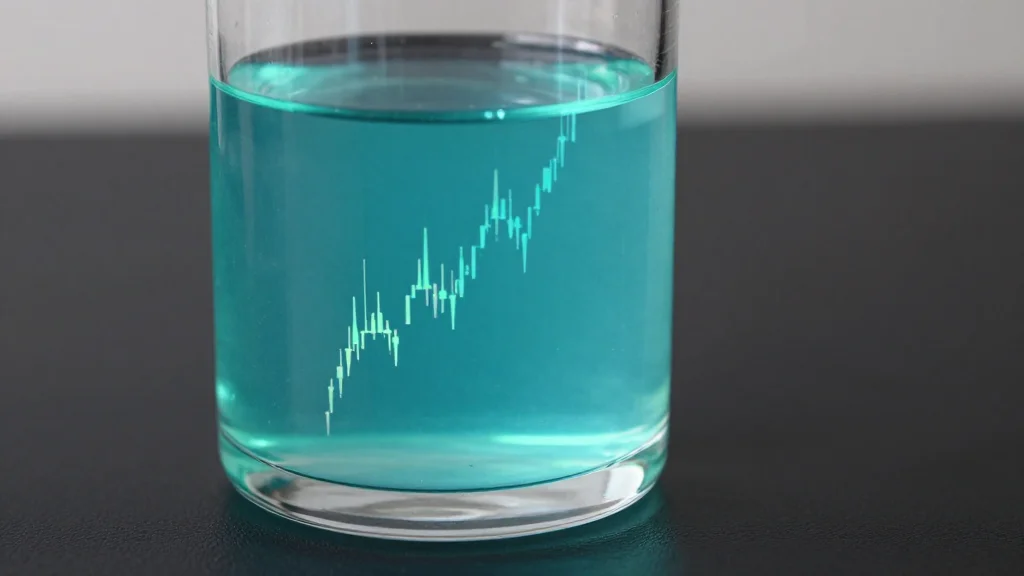
Natural Gas Futures, Apr. 15, 2026
Why It Matters
Resumptions, policy shifts, and storage spikes threaten to re‑balance global gas supply, influencing pricing, trade routes, and regulatory landscapes across key markets.
Key Takeaways
- •Portovaya LNG restarts blacklisted sales, boosting Russian export volumes.
- •Australia debates LNG tax and export limits amid fuel security concerns.
- •EU methane rule delay urged as Middle East war tightens gas supply.
- •Western US storage hits near‑record; early snowmelt cuts regional demand.
- •US gas futures fall to 18‑month low, reflecting oversupply pressure.
Pulse Analysis
The resumption of sales from Russia's Portovaya LNG terminal marks a notable shift in the global liquefied natural gas (LNG) landscape. After months of blacklisting under Western sanctions, the facility has begun shipping cargoes to traditional buyers, effectively re‑injecting Russian supply into a market already strained by geopolitical tension. Analysts see this move as a bid to capture market share while Europe scrambles for alternative sources. However, the restart also raises compliance questions for importers and could prompt a recalibration of pricing benchmarks as Russian cargoes re‑enter the pool.
In the Asia‑Pacific, Australia is weighing a suite of measures that could reshape its role as the world’s largest LNG exporter. The government’s proposal includes a modest export tax and tighter curbs on shipments destined for markets deemed critical to domestic fuel security. Proponents argue the steps safeguard against a potential supply crunch, especially as regional demand spikes amid the ongoing Middle East conflict. Critics warn that higher costs may erode Australia’s competitive edge against rivals such as Qatar and the United States, potentially diverting contracts to lower‑priced sources.
Meanwhile, the United States faces its own supply dynamics. Near‑record gas inventories in the West, combined with an early snowmelt that reduced heating demand, have pushed Henry Hub futures down to an 18‑month trough. The soft market is further complicated by industry calls to postpone the European Union’s new methane‑emissions regulation, which could tighten supply chains if enforced amid the current crisis. Together, these factors suggest a short‑term glut that may depress prices, yet they also underscore the volatility that can arise when geopolitical events intersect with seasonal demand patterns.
Natural Gas Futures, Apr. 15, 2026
Comments
Want to join the conversation?
Loading comments...