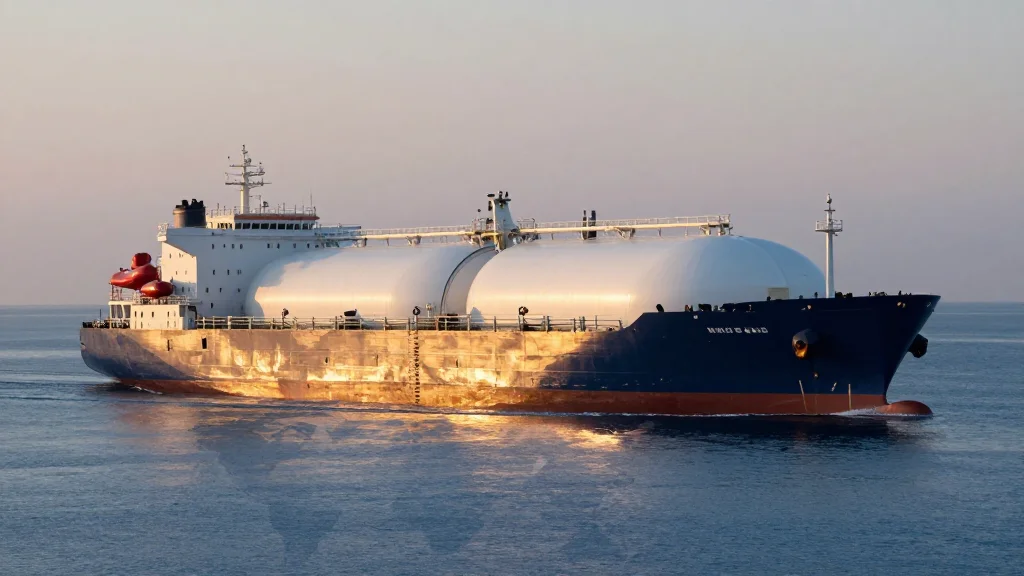
Natural Gas Futures Stall as Middle East Tensions Stoke Global Supply Insecurity
Why It Matters
The slowdown underscores how geopolitical flashpoints can quickly translate into energy market volatility, affecting pricing and supply contracts for utilities and industrial users. It signals heightened risk for investors and may prompt hedging strategies ahead of peak summer demand.
Key Takeaways
- •Futures dip amid Middle East supply concerns
- •Strait of Hormuz disruptions pressure global LNG flows
- •Summer cooling demand amplifies price volatility
- •US market reacts to geopolitical risk premium
- •Investors monitor cease‑fire developments closely
Pulse Analysis
The natural‑gas market entered a delicate phase as summer cooling ramps up across the United States, a period traditionally marked by heightened consumption and tighter spreads. While inventories remain adequate, futures prices have shown little movement, reflecting traders’ caution. This inertia is not merely a function of supply‑demand fundamentals; it mirrors a broader risk assessment where geopolitical variables are now priced into contracts, creating a flatter forward curve than seen in previous seasons.
Geopolitical risk has surged to the forefront after renewed US‑Iran tensions and a fragile cease‑fire in the strategically vital Strait of Hormuz. The narrow waterway channels a significant share of global LNG cargoes, and any disruption can reverberate through the entire supply chain. Analysts warn that even short‑term closures or heightened naval activity could choke flow, prompting buyers to secure alternative routes or increase spot purchases, thereby inflating short‑term premiums. The uncertainty also fuels a risk‑off sentiment among investors, who demand higher compensation for holding positions exposed to potential supply shocks.
For market participants, the confluence of summer demand and geopolitical uncertainty mandates proactive risk management. Utilities and large industrial consumers are likely to lock in prices through futures or long‑term contracts to shield against volatility, while speculators may seek opportunities in volatility‑linked instruments. Policymakers, meanwhile, will monitor the situation closely, as prolonged supply insecurity could pressure domestic pricing and influence broader energy security strategies. The next few weeks will be pivotal in determining whether the market stabilizes or if heightened tensions drive a more pronounced price rally.
Natural Gas Futures Stall as Middle East Tensions Stoke Global Supply Insecurity
Comments
Want to join the conversation?
Loading comments...