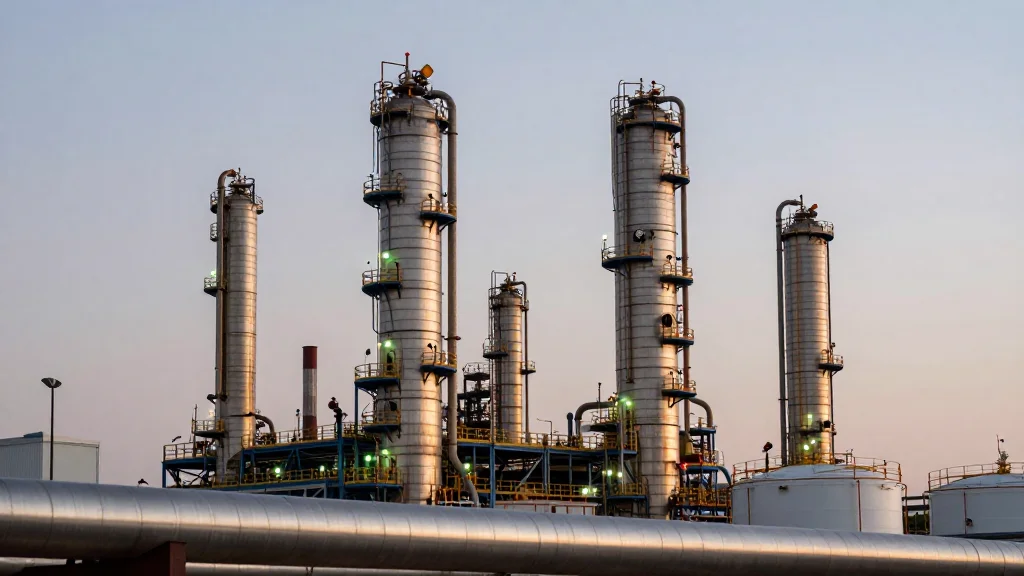
Nigeria Signs $25 Bn MoU with Chinese Firms to Revive Warri and Port Harcourt Refineries

Why It Matters
Reviving the Warri and Port Harcourt refineries addresses a chronic bottleneck in Nigeria’s oil value chain, where under‑utilised refining capacity forces the country to import up to 30% of its gasoline and diesel needs. By bringing domestic refining back online, the MoU could preserve foreign exchange, lower fuel prices for consumers, and enhance energy security. On a regional level, a functional Nigerian refining sector would reduce dependence on imported fuels from neighboring countries, potentially shifting trade flows in West Africa. The partnership also signals a broader trend of Chinese involvement in African commodities infrastructure, echoing similar deals in mining and power generation. Successful execution could encourage further foreign direct investment in Nigeria’s downstream sector, while failure would reinforce skepticism about the efficacy of repeated public‑private partnerships in the country’s oil industry.
Key Takeaways
- •NNPCL signed an MoU with Sanjiang Chemical and Xingcheng Industrial Park to restart Warri and Port Harcourt refineries.
- •The deal follows $25 bn already spent on past rehabilitation attempts.
- •Engr. Bashir Bayo Ojulari called the MoU "a significant milestone" for Nigeria’s refining assets.
- •Critics question the Chinese firms' technical capacity and demand greater transparency.
- •Successful revival could cut fuel imports, preserve foreign exchange, and lower domestic fuel prices.
Pulse Analysis
The Nigeria‑China refinery MoU arrives at a moment when global oil markets are grappling with supply chain disruptions and price volatility. For commodity traders, the prospect of increased domestic refining capacity in Africa’s largest oil producer could temper the region’s net import demand, subtly shifting the balance of supply and demand curves that drive Brent and WTI futures. Historically, Nigeria’s refining sector has been plagued by chronic under‑investment and mismanagement, leading to a persistent import bill that erodes the country’s trade surplus. By injecting Chinese technical equity, the government hopes to break this cycle, but the success hinges on execution risk – a factor that markets will price in through spreads on Nigerian crude versus imported refined products.
From a geopolitical standpoint, the partnership underscores China’s deepening foothold in African energy infrastructure, a strategy that complements its broader Belt and Road ambitions. If the refineries achieve commercial operation, Chinese firms could secure long‑term service contracts, spare‑parts supply chains, and perhaps even downstream petrochemical off‑take agreements, creating a self‑reinforcing ecosystem of commodity flows tied to Chinese technology. Conversely, any setbacks could fuel domestic political backlash, especially given the recent public scrutiny over past rehabilitation costs and the broader economic pressures from high oil and gold import bills.
Investors should watch for the forthcoming technical equity partnership agreement, which will likely disclose financing terms, equity stakes, and performance milestones. The clarity of these details will determine whether the market views the MoU as a genuine catalyst for Nigeria’s oil self‑sufficiency or merely another headline in a series of stalled projects. In either case, the development adds a new variable to the West African commodities landscape, with potential ripple effects on regional fuel pricing, foreign exchange stability, and the strategic calculus of both Western and Asian investors in the sector.
Nigeria signs $25 bn MoU with Chinese firms to revive Warri and Port Harcourt refineries
Comments
Want to join the conversation?
Loading comments...