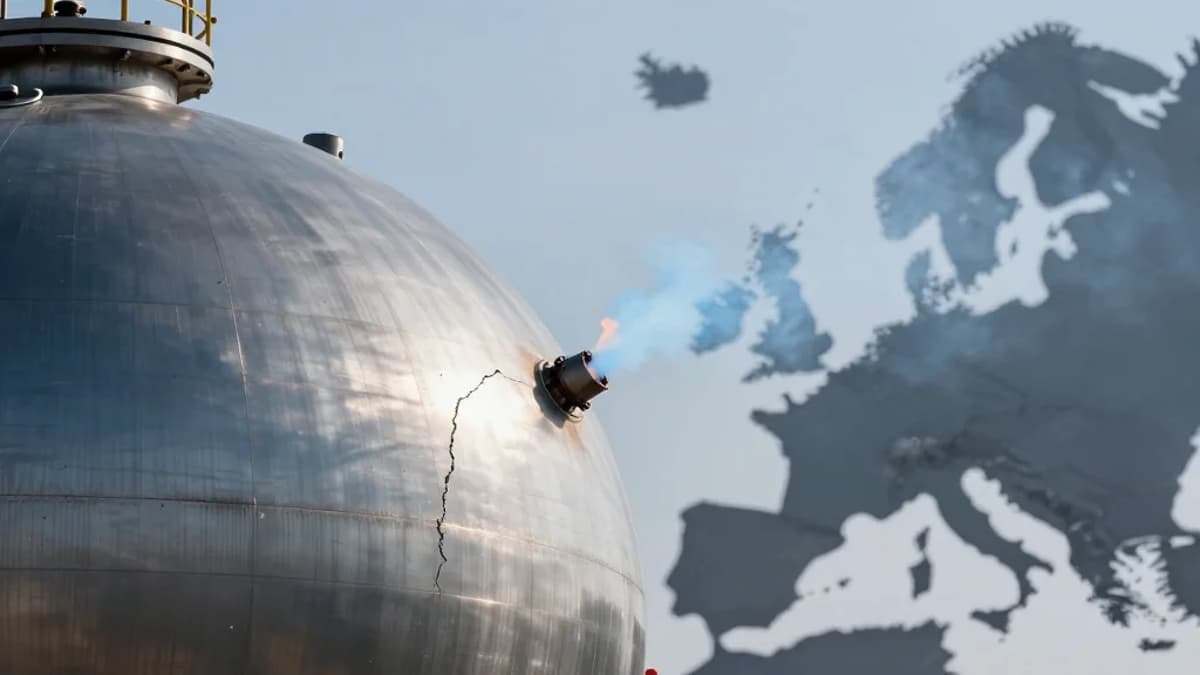
No EU Energy Security Concerns For Now, But Long-Term Risks Rise
•March 4, 2026
0
Why It Matters
The price shock highlights the EU’s exposure to geopolitical supply risks, underscoring the urgency of diversification and decarbonisation strategies. It signals a pivotal moment for policy shifts toward energy security and climate goals.
Key Takeaways
- •Gas prices jumped 70% in one week.
- •EU reports no immediate supply disruption.
- •Record-low inventories heighten long‑term vulnerability.
- •Diversification and LNG contracts become strategic priorities.
- •Accelerated renewables needed to mitigate future risks.
Pulse Analysis
The European Union’s gas market experienced a dramatic shock this week as spot prices surged by roughly 70 % amid the latest escalation in the Middle East conflict. The price spike coincided with historically low gas storage levels, a legacy of milder winters and delayed infrastructure projects. Analysts attribute the volatility to both supply‑side uncertainty—particularly the risk of reduced pipeline flows from Russia and potential disruptions to LNG shipments—and heightened demand as economies rebound from pandemic constraints. Investors responded with heightened volatility in European energy derivatives, reflecting uncertainty over future pricing.
EU officials, however, have downplayed the prospect of an immediate supply crunch, emphasizing that existing contracts and strategic reserves can absorb short‑term shocks. The bloc is accelerating negotiations for additional LNG import capacity, securing spot and long‑term deals with the United States, Qatar and West Africa. Simultaneously, member states are bolstering storage infrastructure and revisiting the EU’s gas‑sharing mechanism to ensure equitable distribution should regional deficits emerge. The EU’s strategic reserve, now holding 60 % of the 2023 target, provides a critical buffer.
Nevertheless, policymakers warn that the current episode underscores a deeper, structural vulnerability. Persistent reliance on imported hydrocarbons leaves the EU exposed to geopolitical turbulence and price spikes, prompting a renewed push toward renewable energy, energy efficiency and hydrogen projects. By 2030, the Commission aims to cut gas consumption by 15 % and double offshore wind capacity, strategies that could buffer future crises and align the bloc with climate objectives. Financing these initiatives will require coordinated public‑private partnerships and streamlined permitting processes across member states, testing whether long‑term reforms can offset lingering supply‑disruption risks.
No EU Energy Security Concerns For Now, But Long-Term Risks Rise
0
Comments
Want to join the conversation?
Loading comments...