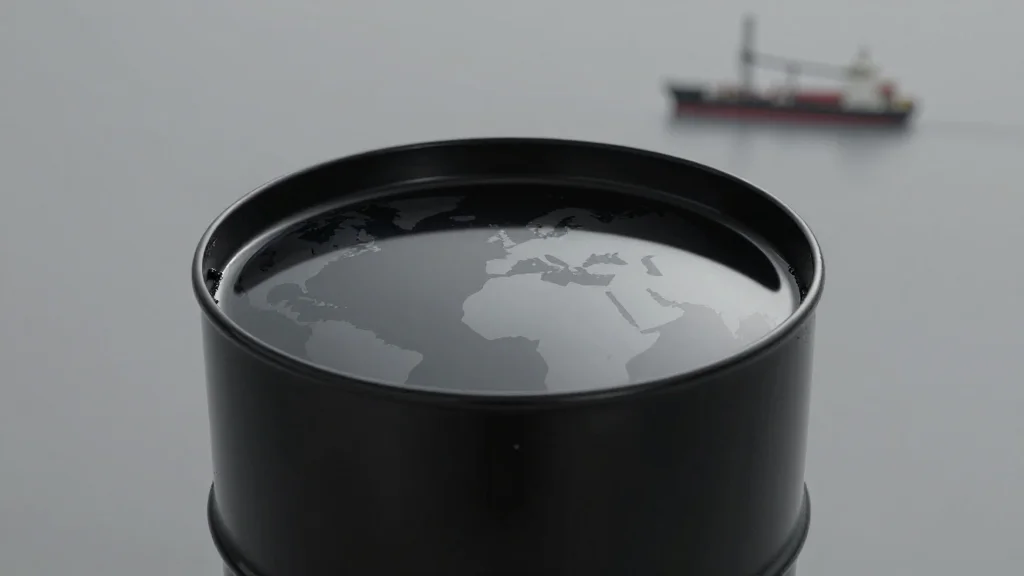
Oil Falls Below $100 on Peace Deal Hopes
Why It Matters
A potential de‑escalation in the Middle East could lift a major supply constraint, lowering energy costs and reshaping global commodity markets. Investors and policymakers will watch diplomatic signals closely as they directly affect oil‑related inflation and corporate earnings.
Key Takeaways
- •Brent fell to $96.96, dropping 4.3% in one session.
- •WTI settled at $90.64, down 4.7% amid peace hopes.
- •Unconfirmed Al Arabiya report suggests easing U.S. blockade on Iran.
- •Treasury Secretary urges China to pressure Iran to reopen Hormuz.
- •Trump and Xi to discuss Strait of Hormuz at upcoming summit.
Pulse Analysis
The oil market entered a rare corrective phase on May 7, 2026, as Brent crude slipped below the $100 per barrel mark for the first time in months. After a period of sustained price gains fueled by supply tightness and robust demand, the 4.3% drop to $96.96 reflects traders’ recalibration of risk premiums tied to the Strait of Hormuz, a chokepoint that handles roughly a fifth of global oil shipments. The price move also underscores how quickly geopolitical narratives can override fundamental demand‑supply dynamics.
At the heart of the rally‑to‑retreat is a tentative diplomatic thaw between Washington and Tehran. Al Arabiya’s unverified report of an “understanding” to ease the U.S. blockade hints at a possible framework for reopening the Hormuz corridor, even as Tehran continues to review a U.S. peace proposal that leaves its nuclear program and the strait’s status unresolved. Treasury Secretary Scott Bessent’s appeal to Beijing to leverage its influence over Iran adds a multilayered dimension, while the upcoming Trump‑Xi summit is expected to feature direct talks on the issue, potentially accelerating a resolution.
For investors, the immediate implication is a reduction in the geopolitical risk premium embedded in oil contracts, which could translate into lower input costs for energy‑intensive industries and a modest easing of inflationary pressures. However, the market remains vulnerable to any reversal in diplomatic momentum, meaning volatility could persist in the short term. Analysts will likely monitor diplomatic cues, shipping data from Hormuz, and any formal announcements from the U.S. and Iranian governments to gauge whether the price decline is a fleeting reaction or the start of a longer‑term trend toward supply normalization.
Oil falls below $100 on peace deal hopes
Comments
Want to join the conversation?
Loading comments...