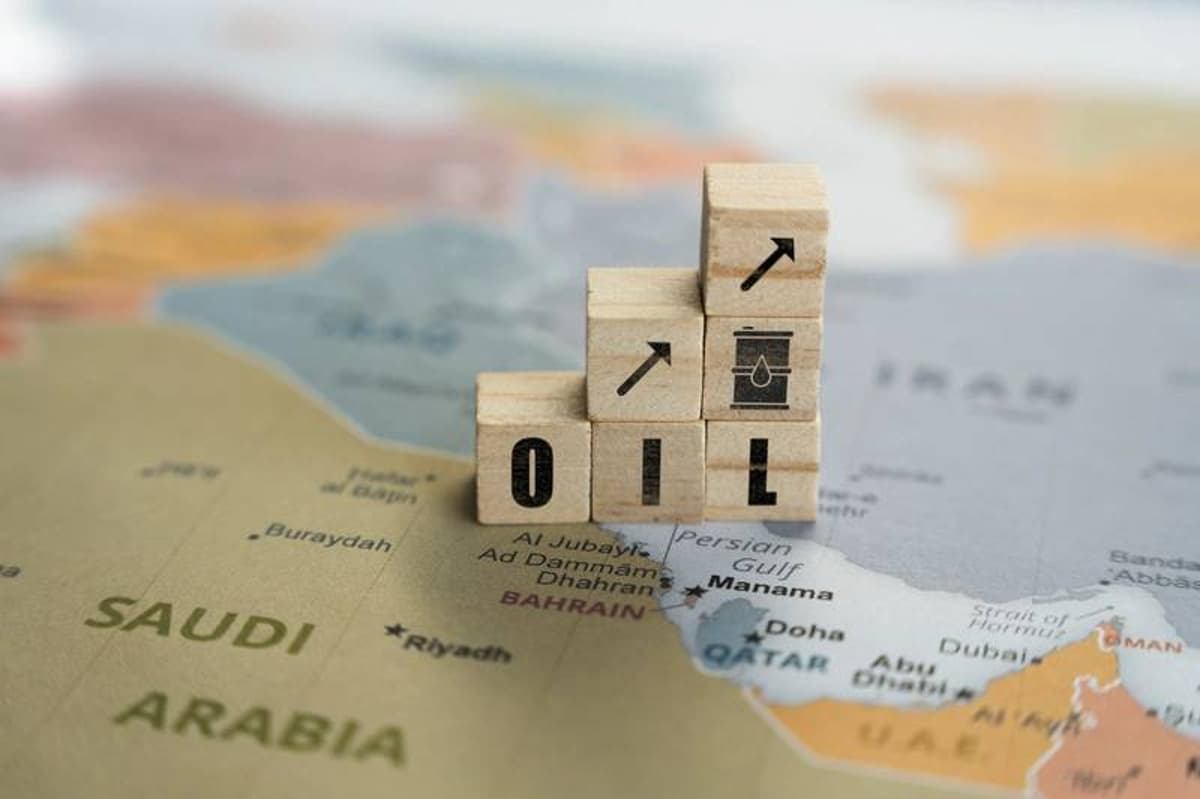
Oil Prices Fall Amid Signs of US-Iran Ceasefire Extension Deal
Why It Matters
A potential US‑Iran ceasefire reduces geopolitical risk, easing supply concerns and pressuring oil prices lower, which impacts global energy costs and corporate earnings.
Key Takeaways
- •Brent fell to $92.47, down 1.3% on Friday.
- •WTI dropped 1.55% to $87.52, marking 9.2% weekly loss.
- •Potential US‑Iran ceasefire could reopen Strait of Hormuz.
- •Lifting shipping limits may ease supply, supporting lower prices.
- •Upstream output stays shut, delaying full market recovery.
Pulse Analysis
The latest slide in oil prices reflects a market that is highly sensitive to geopolitical cues. Brent’s dip to $92.47 and WTI’s fall to $87.52 represent a 10.5% and 9.2% weekly decline respectively, the sharpest since April. Traders cite the emerging US‑Iran ceasefire talks as the primary catalyst, interpreting any move toward normalizing traffic through the Strait of Hormuz as a signal that a major supply bottleneck could be alleviated. This narrative has pushed sentiment toward the bearish side, with analysts forecasting further testing of support levels in the low $80 range.
The Strait of Hormuz, a conduit for roughly 20% of global oil and LNG shipments, has been a flashpoint since the conflict began three months ago. A tentative agreement to extend the ceasefire and lift shipping restrictions, though still pending U.S. presidential approval, could restore a critical flow of petroleum products. Yet, actual traffic remains a fraction of pre‑war volumes, and the pace of reopening will depend on security guarantees and the condition of port infrastructure. Consequently, while the ceasefire reduces immediate geopolitical risk, the market remains cautious about the timing and scale of any supply surge.
Beyond the geopolitical dimension, fundamental supply constraints continue to shape the outlook. Upstream producers have curtailed output to manage storage shortages, and many regional refineries are still recovering from targeted attacks. These factors mean that even with a reopened Strait, the market may not see an instant price correction. Analysts expect a gradual ramp‑up in production and refinery throughput, which could keep oil prices volatile through the summer. Investors should monitor both diplomatic developments and operational metrics to gauge the durability of the current price decline.
Oil Prices Fall Amid Signs of US-Iran Ceasefire Extension Deal
Comments
Want to join the conversation?
Loading comments...