Why It Matters
Higher oil prices boost revenue for producers while increasing cost pressures for energy‑intensive industries, influencing inflation and investment decisions across the global economy.
Key Takeaways
- •OPEC+ extends production cuts through 2027.
- •US crude inventories fell 3.2 million barrels.
- •Brent settled at $84 per barrel, up 2.5%.
- •Global demand growth projected 1.1% YoY.
- •Renewable energy investments accelerate, pressuring long‑term demand.
Pulse Analysis
The February 13 oil price surge underscores the delicate balance between supply constraints and demand resilience. OPEC+'s decision to prolong output reductions through 2027 has narrowed the global supply gap, while U.S. shale producers face tighter inventory levels after a 3.2 million‑barrel draw. These dynamics have lifted Brent crude to $84 a barrel, a level that reflects both geopolitical stability in key exporting regions and robust consumption in emerging markets. Analysts note that the price rally is also a response to lingering uncertainties around the pace of the energy transition, as investors weigh short‑term profitability against long‑term decarbonisation goals.
For businesses, the price increase translates into higher operating costs for sectors such as transportation, chemicals, and aviation, potentially feeding into broader inflationary pressures. Companies with exposure to commodity inputs are revisiting hedging strategies, while investors are reallocating capital toward energy assets that can deliver stable cash flows in a volatile price environment. Meanwhile, the accelerating deployment of renewable infrastructure—solar, wind, and battery storage—signals a gradual shift in demand composition, prompting traditional oil firms to diversify into low‑carbon ventures and explore partnerships with clean‑tech players.
Looking ahead, market participants will monitor several risk factors: the durability of OPEC+ discipline, the responsiveness of U.S. shale output, and geopolitical flashpoints that could disrupt supply chains. If inventory draws continue and demand growth remains above 1% annually, oil prices may sustain current levels or climb higher, reinforcing profitability for upstream firms. Conversely, rapid scaling of renewable capacity and policy‑driven carbon pricing could temper long‑term demand, urging the industry to adapt its business models. Stakeholders are advised to balance short‑term price exposure with strategic investments in sustainable energy to navigate the evolving landscape.
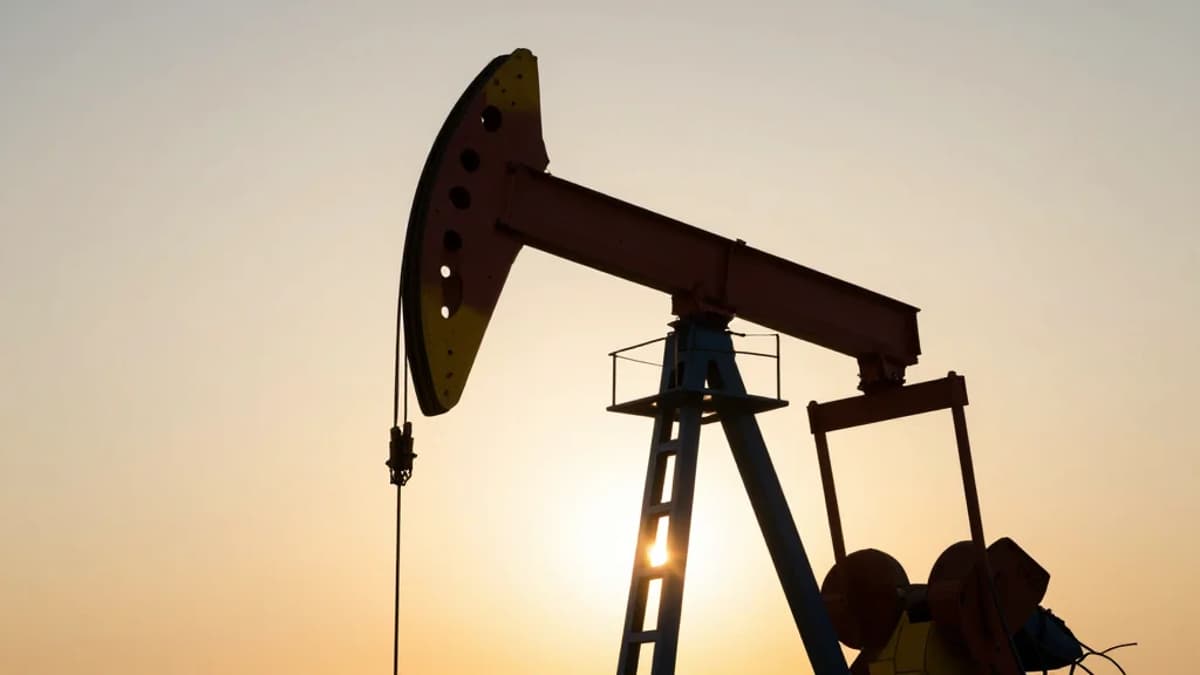
Oil Prices, Feb. 13, 2026


Comments
Want to join the conversation?
Loading comments...