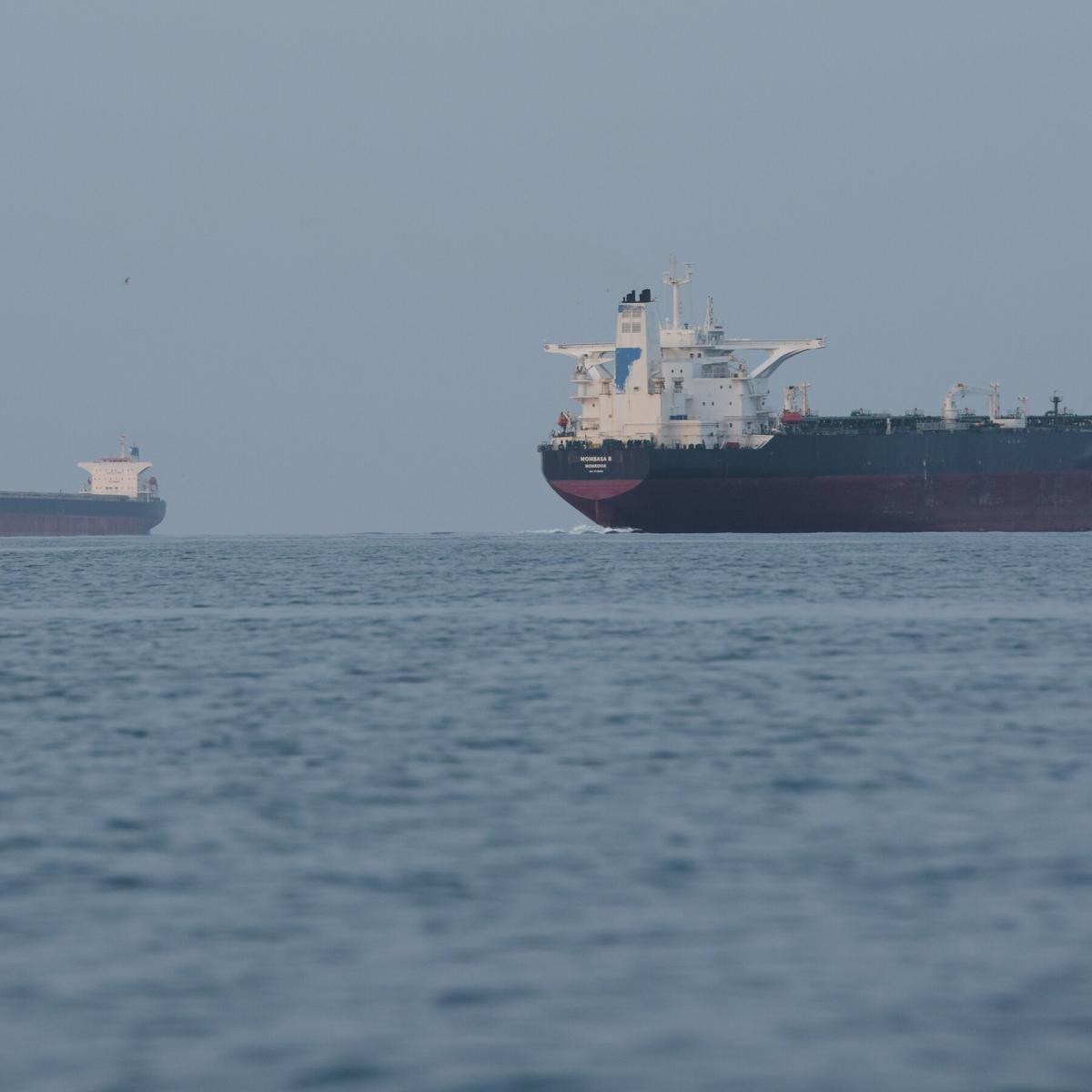
Oil Prices Jumped and Stock Futures Fell on Renewed Iran Conflict
Why It Matters
The Strait of Hormuz handles roughly a fifth of global oil shipments, so any disruption can spike prices and pressure equity markets. Investors and policymakers will watch the dispute closely for signs of prolonged supply constraints.
Key Takeaways
- •U.S. destroyer seized Iranian cargo ship near Strait of Hormuz
- •Iran reasserted control, attacked two Indian‑flagged vessels
- •Oil prices rose sharply after conflict escalation
- •Stock futures fell as investors feared supply disruptions
- •Markets digesting events after Friday close, volatility expected
Pulse Analysis
The Strait of Hormuz remains one of the world’s most critical chokepoints, funneling about 20% of daily oil exports. A sudden escalation—such as the U.S. Navy’s seizure of an Iranian‑flagged cargo vessel and Tehran’s subsequent attacks on Indian‑flagged ships—re‑ignites concerns that the waterway could become a flashpoint for broader regional conflict. Historically, even brief disruptions have prompted traders to price in a risk premium, prompting oil benchmarks to swing sharply on news that suggests a potential bottleneck in supply.
In the immediate aftermath, crude futures jumped, reflecting market participants’ appetite for safety amid uncertainty. The price surge is not merely a reaction to headline news; it also incorporates forward‑looking assessments of possible rerouting, increased tanker insurance costs, and the likelihood of further naval engagements. Energy analysts warn that if Iran maintains “strict control” over the strait, the resulting supply shock could push oil prices above $90 per barrel, tightening margins for refiners and inflating transportation costs across the global economy.
Equity markets felt the ripple effect as stock futures slipped, driven by heightened risk aversion. Investors typically rotate out of cyclical sectors—especially energy‑intensive industries—when oil price volatility spikes, favoring defensive assets instead. The timing of the incidents, occurring after Friday’s market close, left traders scrambling to adjust positions in after‑hours trading, amplifying short‑term volatility. Looking ahead, market participants will monitor diplomatic channels and naval movements closely, as any prolonged closure of the strait could reshape commodity pricing and broader market sentiment for months to come.
Oil Prices Jumped and Stock Futures Fell on Renewed Iran Conflict
Comments
Want to join the conversation?
Loading comments...