Companies Mentioned

Why It Matters
The pipeline could reshape North American export flows and bolster Canadian oil revenues, while heightened geopolitical risk in Hormuz and Iraq threatens global supply stability and price dynamics.
Key Takeaways
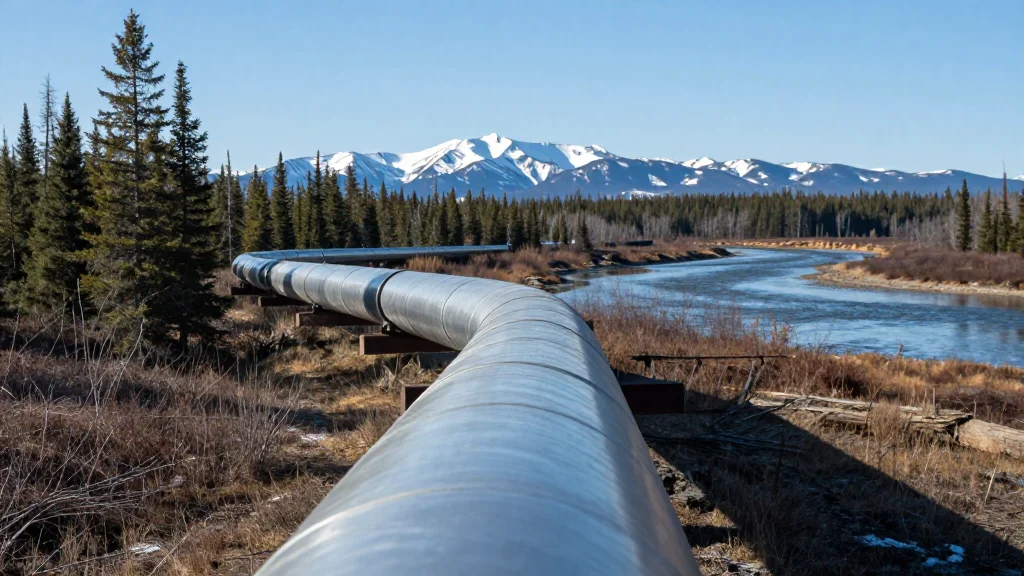
- •Ottawa and Edmonton approve 1 M bpd pipeline to Pacific
- •Pipeline aims to cut reliance on US Gulf Coast routes
- •Brent climbs as Trump‑Xi summit leaves Strait of Hormuz uncertain
- •Iraq appoints new oil minister amid 90% export loss
Pulse Analysis
The Ottawa‑Edmonton agreement on a 1 million‑barrel‑per‑day pipeline marks a strategic shift for Canada’s oil sector. By linking the Alberta oil sands directly to a Pacific export terminal, the project sidesteps the congested U.S. Gulf Coast corridor and opens a faster, lower‑cost pathway to Asian refiners. Analysts estimate the $15 billion investment will add roughly 1 million barrels per day of export capacity, strengthening Canada’s bargaining power in a market where price differentials between West Texas Intermediate and Brent remain pronounced.
At the same time, the broader energy landscape is being reshaped by geopolitical uncertainty. Brent crude rose sharply after the Trump‑Xi summit failed to produce a clear resolution for the Strait of Hormuz, a chokepoint that still threatens to disrupt up to 20 % of global oil flows. Parallel headlines—from Iraq’s new oil minister confronting a 90 % export collapse to a dip in Indian jet demand triggered by soaring fuel costs—underscore the fragility of demand and supply balances. The U.S. is also wrestling with permitting reforms for onshore wind, reflecting a policy environment that must reconcile renewable ambitions with ongoing fossil‑fuel reliance.
For investors and policymakers, the convergence of a new Canadian export artery and heightened Middle‑East risk creates both opportunity and caution. The pipeline could support higher North American crude prices, yet any escalation in Hormuz tensions or further setbacks in Iraq’s production could tighten global supplies, amplifying price volatility. Stakeholders should monitor regulatory timelines, environmental reviews, and diplomatic developments closely, as these factors will dictate the pace at which the new route influences market dynamics.
Oil Prices, May 15, 2026
Comments
Want to join the conversation?
Loading comments...