Oil Prices Surge 8% to $103 as US‑Iran Talks Collapse and Strait of Hormuz Blockade Looms

Why It Matters
The Strait of Hormuz carries roughly a fifth of the world’s oil supply, so any disruption instantly reverberates through global markets. A near‑8% jump in Brent prices not only raises the cost of gasoline and jet fuel for consumers but also tightens profit margins for energy‑intensive industries, potentially slowing economic growth. Moreover, the episode highlights how quickly geopolitical flashpoints can translate into commodity price shocks, forcing policymakers and investors to factor political risk into inflation forecasts and monetary‑policy decisions. For oil‑producing nations, higher prices can boost fiscal balances, but for oil‑importing economies the spike exacerbates trade deficits and fuels public discontent over rising living costs. The episode also underscores the strategic importance of naval power in securing energy trade routes; the U.S. Navy’s decision to assert control over the strait directly influenced market sentiment, demonstrating that military posturing remains a potent driver of commodity markets.
Key Takeaways
- •Brent crude rose ~8% to $103/bbl after US‑Iran talks collapsed
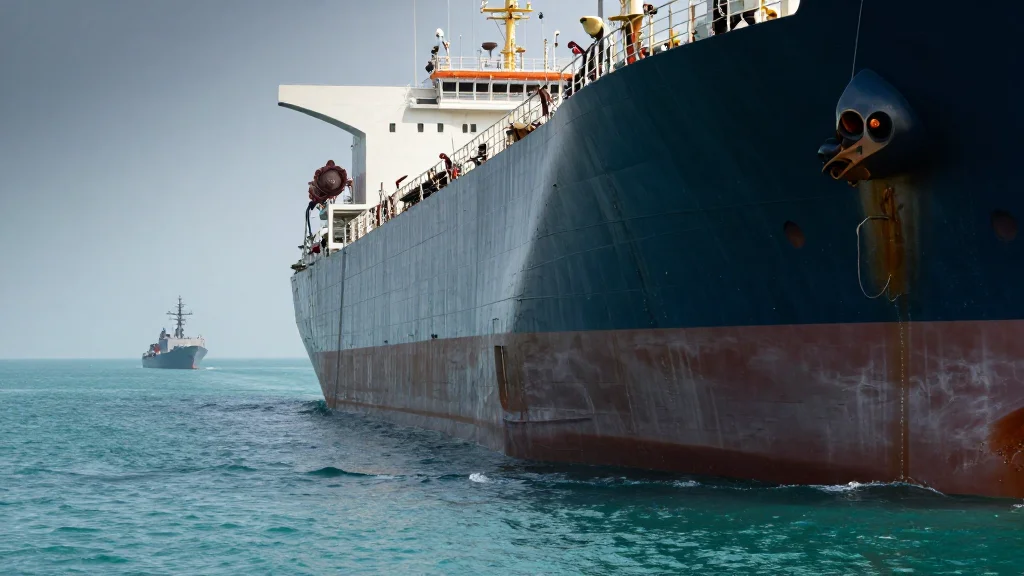
- •U.S. Navy positioned destroyers to block the Strait of Hormuz
- •IRGC broadcast a warning that any vessel without permission will be targeted
- •German DAX fell sharply as oil‑price‑driven inflation fears rose
- •Analysts warn a prolonged blockade could push Brent above $110/bbl
Pulse Analysis
The oil rally sparked by the failed US‑Iran talks is a textbook case of geopolitical risk pricing into commodities. Historically, any hint of a Strait of Hormuz closure has sent Brent above $100, as seen during the 2019 Gulf tensions. This time, the market reaction was amplified by a coordinated naval posture: the U.S. Navy’s destroyer transits signaled a willingness to enforce freedom of navigation, while the IRGC’s aggressive radio warnings introduced a credible threat of asymmetric attacks.
From a supply‑demand perspective, the short‑term shock is modest—global oil inventories remain ample—but the market is pricing in a potential supply squeeze if the strait were fully sealed. That risk premium is evident in the 8% price jump, which outpaces typical daily volatility. Investors are also factoring in secondary effects: higher freight rates for tankers, increased insurance premiums for vessels navigating high‑risk zones, and a possible shift toward alternative routes such as the Cape of Good Hope, which would add weeks to delivery times and further strain logistics.
Looking ahead, the trajectory of oil prices will hinge on diplomatic signals. A rapid diplomatic reset could see Brent retreat to the $95‑$100 range, while a protracted standoff or an actual mining incident could push prices into double‑digit territory, reigniting inflationary pressures worldwide. Market participants should monitor U.S. naval deployments, IRGC communications, and any third‑party mediation efforts for early warning signs. In the meantime, hedgers and commodity‑focused funds are likely to maintain elevated exposure to oil futures, while sectors vulnerable to fuel cost spikes—airlines, shipping, and heavy manufacturing—may begin to adjust pricing strategies to protect margins.
Oil Prices Surge 8% to $103 as US‑Iran Talks Collapse and Strait of Hormuz Blockade Looms
Comments
Want to join the conversation?
Loading comments...