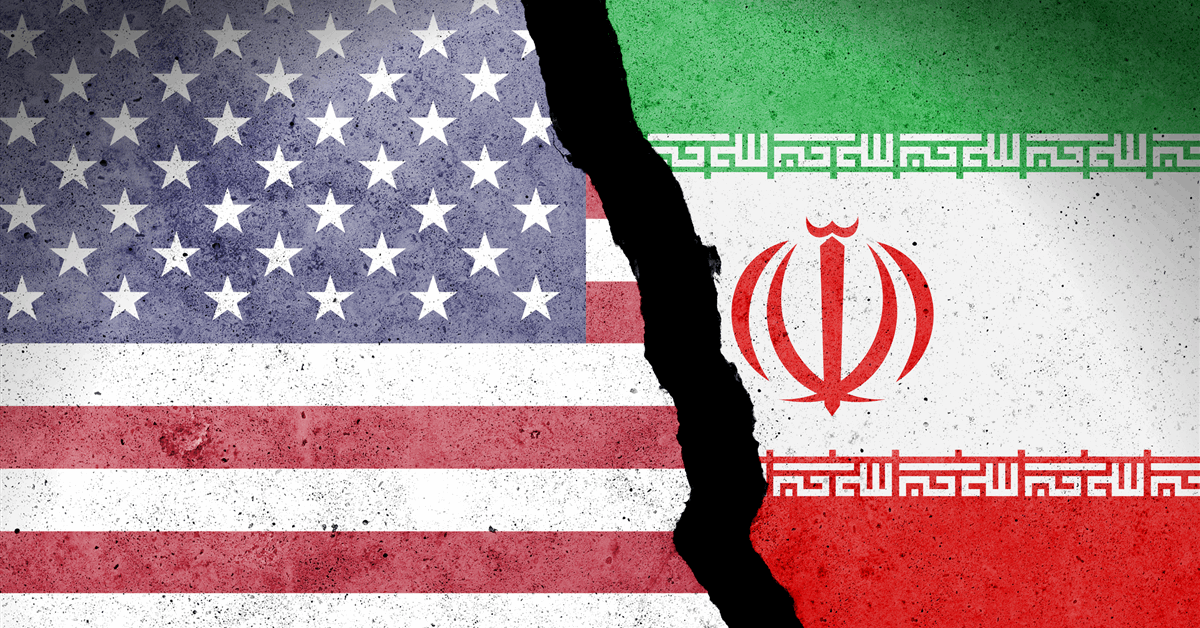
Oil Prices Surge Amid Increasing Geopolitical Concerns
Why It Matters
The disruption threatens global energy security and could pressure inflation, forcing policymakers and investors to reassess risk exposure in oil‑dependent economies. Prolonged high prices also strain strategic reserves and could dampen global growth.
Key Takeaways
- •Brent hit $125/barrel, near wartime highs.
- •Strait of Hormuz closure tightens global crude supply.
- •US military options heighten geopolitical risk for oil markets.
- •Forward curves show 2027 Brent up 25% to $78.
- •Price corrections limited until shipping resumes, analysts say.
Pulse Analysis
The latest spike in crude prices underscores how fragile the global energy market remains when a chokepoint like the Strait of Hormuz is compromised. The narrow waterway handles roughly a fifth of the world’s oil trade, and its closure forces tankers onto longer, riskier routes, inflating freight costs and tightening physical supply. Coupled with rhetoric about U.S. military action, the market perceives a heightened probability of a prolonged disruption, prompting traders to bid up spot and near‑term futures as a hedge against uncertainty.
In the front month, Brent futures breached $113 per barrel, while the expiring June contract briefly touched $125, levels not seen since major conflicts of the early 2000s. More telling is the steepness of the forward curve: 2027 Brent is priced 25% higher than today’s spot, and 2028 sits at $74, reflecting expectations of a multi‑year supply deficit. Analysts attribute this to potential damage to Middle Eastern infrastructure, reduced output capacity, and the need to rebuild both commercial and strategic reserves. Such pricing dynamics suggest that the market is pricing a structural shock rather than a fleeting squeeze.
For investors and corporate treasurers, the implications are twofold. First, sustained high oil prices could erode profit margins for energy‑intensive industries and feed into broader inflationary pressures, prompting central banks to tighten monetary policy. Second, the environment incentivizes a shift toward alternative energy sources and increased hedging activity. Companies with exposure to oil inputs may need to revisit risk‑management strategies, while policymakers must balance strategic reserve releases against the risk of further price volatility. The trajectory of the Strait’s status will remain a key barometer for oil markets in the months ahead.
Oil Prices Surge Amid Increasing Geopolitical Concerns
Comments
Want to join the conversation?
Loading comments...