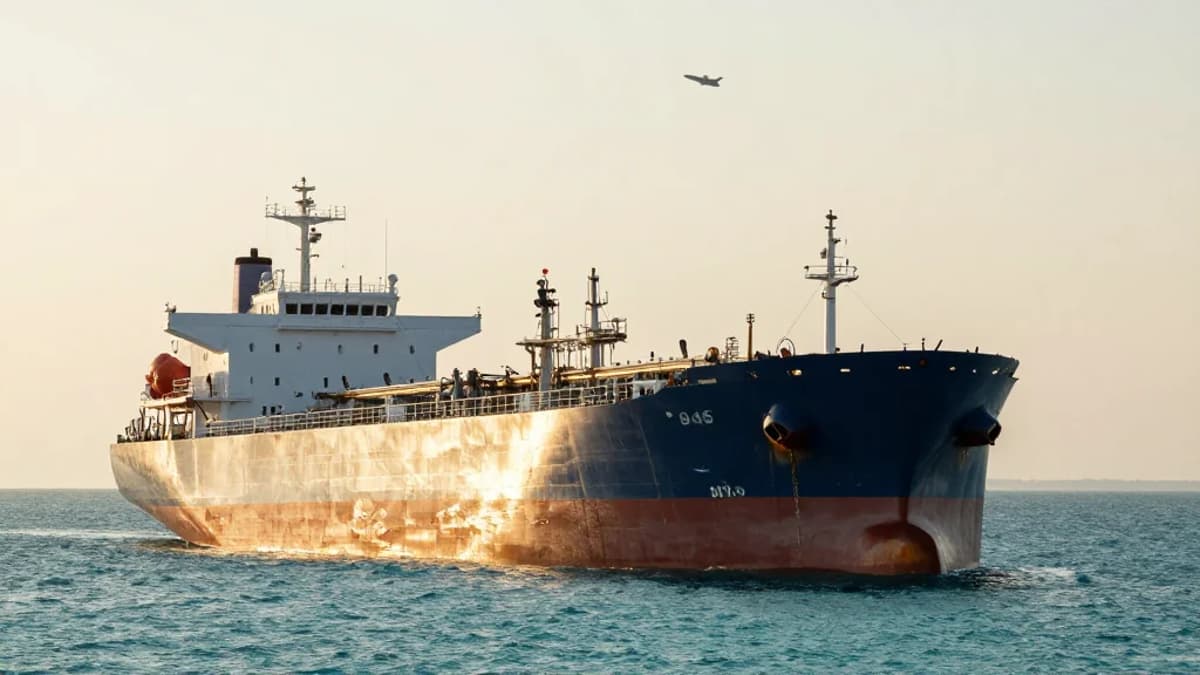
Oil Prices Surge Higher as Market Adjusts Ceiling Scenarios
•March 3, 2026
0
Why It Matters
The price spike underscores heightened geopolitical risk, which can lift global energy costs and feed inflation, affecting both consumers and corporate earnings. It also signals potential supply tightening that could reshape oil market dynamics.
Key Takeaways
- •Brent hit $85/bbl, highest in months.
- •Middle East tensions drive price ceiling speculation.
- •Strait of Hormuz bottleneck could tighten global supply.
- •Traders anticipate further gains if tanker flow stalls.
- •Higher oil costs pressure inflation and corporate margins.
Pulse Analysis
The recent climb of Brent crude to $85 a barrel revives a pattern of price volatility that has characterized the oil market since early 2023. After a period of relative stability, geopolitical flashpoints in the Middle East have re‑energized risk premiums, prompting investors to reassess supply‑demand fundamentals. OPEC+ production cuts, robust global demand recovery, and lingering inventory deficits compound the upward pressure, making the current price level a focal point for market participants monitoring forward curves and hedging strategies.
Central to the price outlook is the strategic chokepoint of the Strait of Hormuz, through which roughly a fifth of the world’s oil passes. Any disruption—whether from naval confrontations, mining activities, or regulatory bottlenecks—can instantly tighten global supply, as seen during previous crises in 2019 and 2020. Tanker traffic constraints amplify this risk, forcing shippers to reroute vessels around the Cape of Good Hope, which adds days and costs to delivery schedules. Analysts therefore model a range of ceiling scenarios, projecting that sustained congestion could push Brent well above $90, reshaping short‑term price dynamics.
For businesses and investors, the implications extend beyond headline numbers. Elevated oil prices feed directly into transportation and manufacturing costs, nudging consumer price indexes upward and squeezing corporate margins. Energy‑intensive sectors such as airlines, chemicals, and logistics face immediate pressure to adjust pricing or accelerate efficiency initiatives. Meanwhile, the heightened risk environment fuels interest in alternative energy investments and hedging instruments, as firms seek to mitigate exposure. Understanding the interplay between geopolitical developments and market pricing is essential for strategic planning in an increasingly volatile energy landscape.
Oil Prices Surge Higher as Market Adjusts Ceiling Scenarios
0
Comments
Want to join the conversation?
Loading comments...