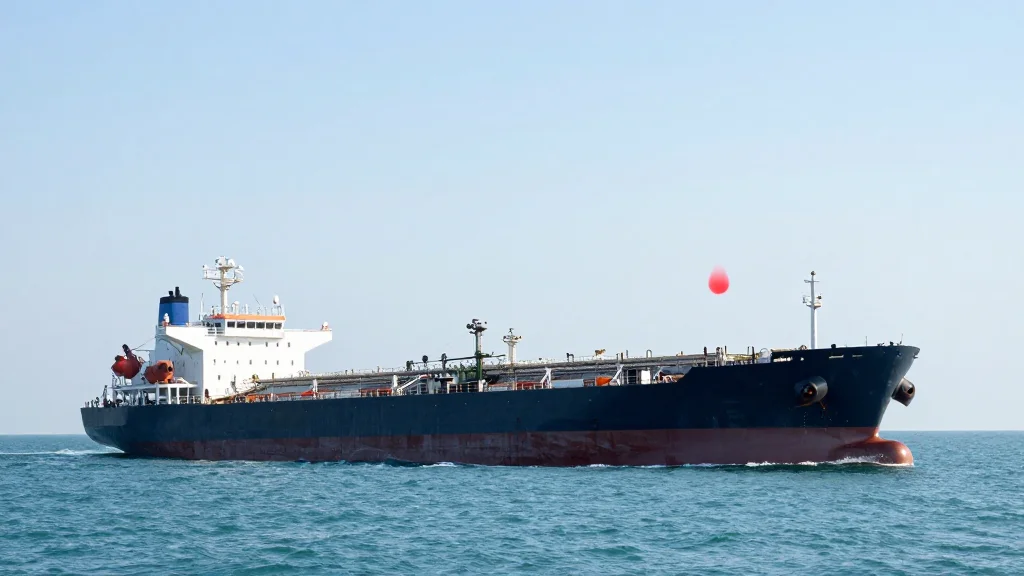
Oil Prices Surge Over 3% as Iran‑U.S. Conflict Escalates, Pressuring Global Markets

Why It Matters
The oil price surge underscores how geopolitical flashpoints can instantly reshape commodity markets, affecting everything from transportation costs to the price of food inputs. For farmers and agribusinesses, higher fuel and fertilizer costs translate into tighter profit margins and could accelerate the search for alternative, less energy‑intensive inputs. In the broader economic picture, sustained oil price inflation risks feeding into consumer‑price indices, prompting central banks to reconsider monetary policy stances. Energy‑intensive industries may face higher operating expenses, while investors may re‑price risk across the commodity spectrum, from metals to agricultural products.
Key Takeaways
- •Brent crude futures rose 3.3% to $94.15 a barrel; WTI up over 4% to $90.89.
- •U.S. and Iran exchanged fire around the Strait of Hormuz, prompting supply‑risk concerns.
- •Gold slipped below $4,500 an ounce as investors shifted away from safe‑haven assets.
- •European equity indices showed cautious performance amid higher oil‑related inflation expectations.
- •Higher oil costs threaten to raise freight and fertilizer prices, pressuring global food supply chains.
Pulse Analysis
The latest oil rally is a textbook example of how a single geopolitical event can cascade through the commodities ecosystem. Historically, disruptions in the Strait of Hormuz have produced short‑term price spikes, but the current environment is different: a combination of tight global oil inventories and a fragile macro backdrop amplifies the impact.
If the conflict remains contained, the market may view the price jump as a temporary risk premium, and we could see a correction within weeks. However, any indication that the strait’s throughput will be limited for an extended period would embed higher oil prices into forward curves, raising the cost base for energy‑intensive sectors. This would likely accelerate the already‑emerging shift toward alternative fertilizers and renewable energy sources in agriculture, as producers seek to hedge against volatile input costs.
Investors should monitor diplomatic signals closely. A de‑escalation could trigger a rapid unwind of the risk premium, while a protracted standoff may force a re‑pricing of risk across the commodity spectrum, from metals to grains. Portfolio managers with exposure to energy‑linked assets should consider hedging strategies, and agribusinesses may need to reassess input procurement plans to mitigate the downstream effects of sustained higher oil prices.
Oil Prices Surge Over 3% as Iran‑U.S. Conflict Escalates, Pressuring Global Markets
Comments
Want to join the conversation?
Loading comments...