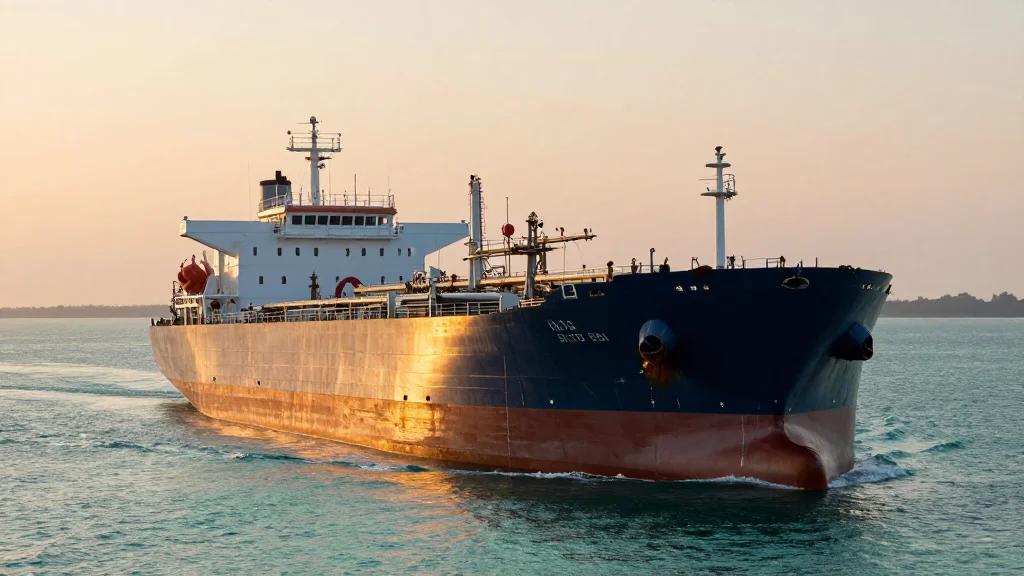
Oil Prices Top $105 as Strait of Hormuz Blockade Tightens

Why It Matters
The Strait of Hormuz blockage threatens the stability of the global oil supply chain, a linchpin for virtually every commodity market. A loss of 13 million barrels per day translates into tighter inventories, higher freight rates, and cost‑push inflation for everything from fertilizers to plastics. The price spike also tests the resilience of economies that rely on cheap energy, potentially accelerating the shift toward alternative fuels and strategic reserve buildup. For investors, the episode underscores the geopolitical risk premium baked into commodity pricing. Energy‑focused funds may see short‑term gains, but the broader market could face sustained volatility if the standoff persists. Policymakers will need to balance diplomatic pressure with supply‑security measures to avoid a prolonged energy crunch that could ripple through global trade.
Key Takeaways
- •Brent crude reached $105.73 per barrel, WTI $96.17, amid Hormuz blockade.
- •IEA chief Fatih Birol warned of the "biggest energy security threat in history" and cited a loss of 13 million barrels per day.
- •The strait normally moves ~20 million barrels daily, about 20% of global oil consumption.
- •Iran reported receipt of its first transit fee under a new shipping arrangement.
- •Prices rose >2% on Thursday, with Brent at $104 and WTI near $95 before Friday's breakout.
Pulse Analysis
The Hormuz crisis illustrates how a single chokepoint can reset commodity pricing dynamics in a matter of hours. Historically, the strait has been a flashpoint, but the current level of naval engagement—characterized by ship seizures and a de‑facto blockade—has pushed market participants to price in a sustained supply shock rather than a temporary hiccup. This shift is evident in the widening Brent‑WTI spread and the heightened risk premium that is now embedded in forward curves.
From a strategic perspective, the episode may accelerate the diversification of energy sources that many oil‑importing nations have been pursuing. Countries with sizable strategic reserves are likely to tap them, while others may fast‑track renewable projects to hedge against future geopolitical disruptions. The ripple effect on downstream commodities—particularly those with high energy intensity such as aluminum, steel and fertilizers—could tighten margins and spur a short‑term price rally across the board.
Looking forward, the market’s trajectory will hinge on diplomatic signals. A credible cease‑fire or a multilateral agreement to secure maritime traffic could quickly deflate the risk premium, restoring price stability. Conversely, any escalation—especially an incident that threatens tanker safety—could push Brent toward $110, reigniting concerns of a broader energy crisis. Investors and policymakers alike should monitor naval activity reports, diplomatic statements, and IEA assessments as leading indicators of where the commodity landscape is headed.
Oil Prices Top $105 as Strait of Hormuz Blockade Tightens
Comments
Want to join the conversation?
Loading comments...