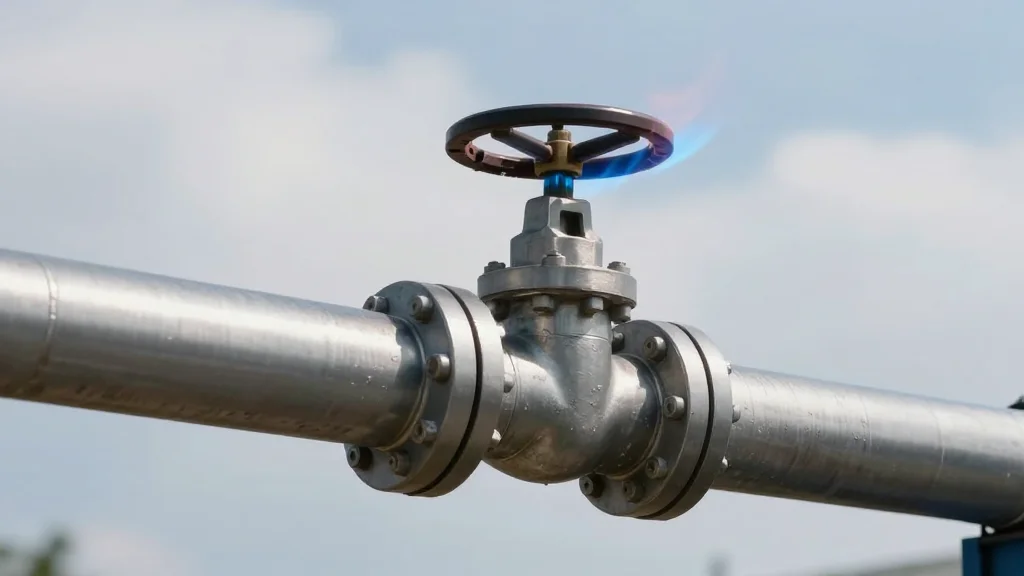
Pace of Natural Gas Production Recovery May Dictate Summer Pricing
Why It Matters
Summer pricing drives power‑generation costs and influences hedging strategies for utilities and industrial consumers, affecting profit margins across the energy sector.
Key Takeaways
- •Production up 2.5% MoM in May
- •Inventories remain below five‑year average
- •Demand surge from air‑conditioning forecasts
- •Price ceiling risk above $3/MMBtu
- •Rapid recovery eases market tightness
Pulse Analysis
The natural‑gas market is entering a critical juncture as producers accelerate output after a sluggish winter. A 2.5% month‑over‑month increase in May signals that drilling rigs and well‑head operations are responding to higher price signals and improving weather conditions. This rebound is not uniform; shale plays in the Permian and Haynesville are leading the charge, while some legacy fields lag due to maintenance backlogs. Understanding the geographic nuances of this recovery helps traders anticipate regional price differentials and spot opportunities in forward contracts.
Inventory levels are another pivotal factor shaping summer pricing. Current stockpiles sit roughly 8% below the five‑year average, leaving the market vulnerable to demand spikes as temperatures rise. The combination of tight supplies and a projected 5% increase in electricity demand for cooling creates a classic supply‑demand squeeze. Analysts monitor the Daily Gas Price Index and the NGI Forward Look curves closely, looking for early signs of price pressure that could trigger hedging activity among utilities and large‑scale industrial users.
Pricing implications extend beyond the immediate summer window. If production recovery stalls, spot prices could breach the $3 per MMBtu threshold, prompting higher contract premiums and influencing the economics of LNG export projects. Conversely, a sustained output surge may keep prices anchored, supporting margin stability for power generators and reducing the cost of gas‑fired heat pumps. Market participants are therefore watching production reports, weather forecasts, and inventory data in tandem to fine‑tune their risk‑management strategies ahead of the peak cooling season.
Pace of Natural Gas Production Recovery May Dictate Summer Pricing
Comments
Want to join the conversation?
Loading comments...