Pineapple Prices up Despite China Ban
Why It Matters
Higher pineapple prices signal Taiwan’s successful market diversification amid geopolitical trade tensions, reducing reliance on a single export destination and supporting farmer incomes.
Key Takeaways
- •Farm‑gate prices rose to NT$12‑NT$15 per jin ($0.38‑$0.48).
- •Wholesale price hit NT$39.1/kg, above three‑year seasonal average.
- •Exports shifted to Japan, Canada, South Korea after China ban.
- •Taiwan eyes U.S. market, offering export incentives soon.
- •High Chinese tariffs may keep Taiwanese pineapples less competitive.
Pulse Analysis
The suspension of pineapple imports by China in March 2021 forced Taiwan to confront a sudden loss of its biggest fruit export market. While some local reports suggested farm‑gate prices had collapsed, official data from the Agriculture and Food Agency shows a modest price increase, driven by a strong domestic harvest and heightened seasonal demand linked to religious pilgrimages. The current wholesale price of NT$39.1 per kilogram—roughly $1.25—exceeds the three‑year seasonal average, indicating that the market has absorbed the shock better than expected.
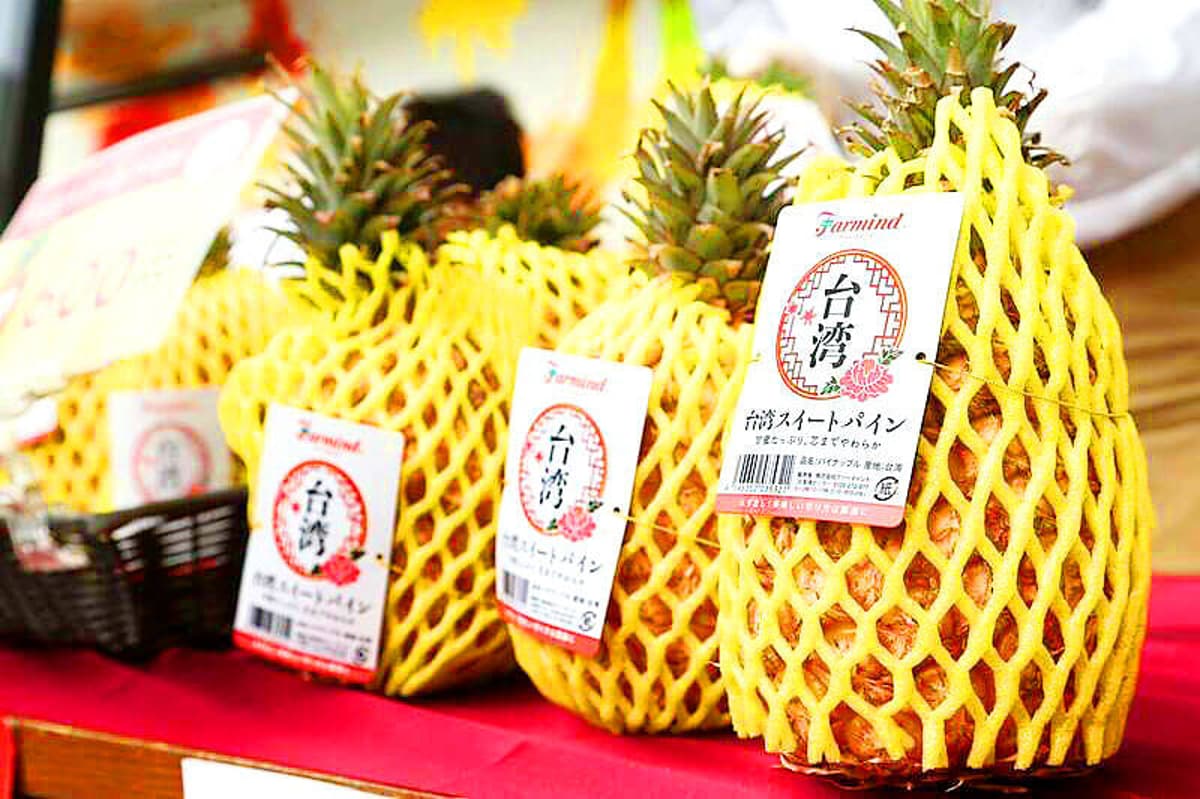
In response, Taiwan has aggressively pursued alternative destinations. Shipments to Japan remain steady at over 9,400 tonnes, and new trade flows to Canada and South Korea have been established. A recent delegation even introduced Tainan’s golden‑diamond pineapples to Malaysia, where pre‑orders sold out quickly. These diversification efforts are backed by government incentives aimed at reducing export risk and encouraging farmers to maintain production levels despite the Chinese ban. By spreading risk across multiple markets, Taiwan safeguards revenue streams and strengthens its agricultural sector’s resilience.
Looking ahead, Taiwan plans to launch pineapple exports to the United States as early as next month, leveraging existing trade agreements and offering further subsidies to offset logistics costs. However, the re‑imposition of Chinese tariffs—approaching 30 percent when combined with value‑added taxes—means that even if Beijing reopens its market, Taiwanese pineapples may struggle to compete on price. The broader implication is a shift in regional fruit trade dynamics, with Taiwan positioning itself as a multi‑market exporter rather than a China‑dependent supplier, a strategy that could serve as a template for other Taiwanese agri‑products facing similar geopolitical pressures.
Pineapple prices up despite China ban
Comments
Want to join the conversation?
Loading comments...