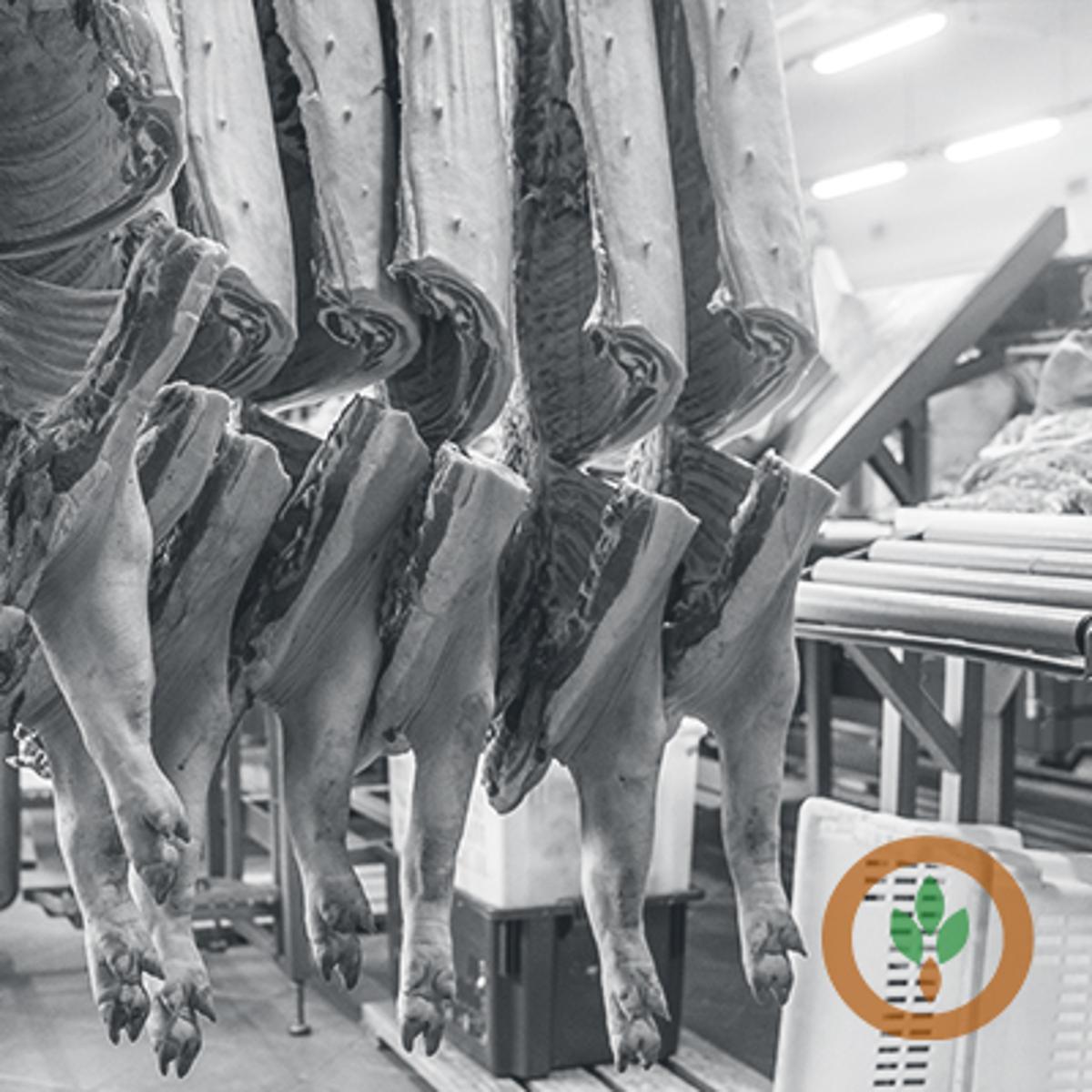
Pork in Cold Storage Rises Above Year Ago Levels
•February 24, 2026
0
Why It Matters
Rising pork inventories amid falling production may pressure prices and signal shifting supply dynamics, while divergent trends in beef and poultry highlight sector‑specific challenges for processors and retailers.
Key Takeaways
- •Pork cold storage up 1% YoY to 410.4M lbs.
- •Butts and bone‑in hams drive pork inventory increase.
- •Beef stocks drop 4% YoY, red‑meat total down 2%.
- •Poultry inventories fall; turkey down 8% YoY.
- •USDA supply outlook due March 10 may affect market expectations.
Pulse Analysis
U.S. pork inventories entered February at 410.404 million pounds, a modest 1 % increase over the same month last year. The uptick is concentrated in high‑value cuts such as butts and bone‑in hams, while overall hog production slipped during January, reflecting a smaller breeding herd and tighter feed margins. Higher cold‑storage levels give packers a buffer against short‑term supply shocks but also create upward pressure on wholesale pork prices if demand does not keep pace. Analysts watch the inventory‑to‑production ratio as a leading indicator of price trends.
The pork story diverges sharply from beef and poultry. Beef cold‑storage fell 4 % YoY to 434.895 million pounds, pulling total red‑meat stocks 2 % below last year’s level, a result of slower cattle slaughter and robust consumer demand for steaks. Poultry inventories slipped 3 % overall, with turkey down 8 % amid a production dip, while chicken held relatively steady. These contrasting movements reflect differing feed cost sensitivities, export dynamics, and seasonal consumption patterns across the three protein categories.
The USDA’s updated supply‑and‑demand outlook, scheduled for release on March 10, will likely recalibrate market expectations. A higher pork inventory could prompt the agency to lower its price forecasts, while declining beef stocks may support higher beef price projections. Processors and retailers will adjust purchasing strategies accordingly, and commodity traders will factor the new data into futures pricing. Stakeholders should monitor the report for signals on hog herd adjustments, export demand, and any policy shifts that could reshape the U.S. meat landscape in the coming quarters.
Pork in cold storage rises above year ago levels
0
Comments
Want to join the conversation?
Loading comments...