Pulse Update: Volume Thins as Dry in North Intensifies
Why It Matters
The shift in planting decisions and pricing directly impacts Australia’s pulse supply, domestic feed costs, and export earnings, underscoring the sector’s exposure to El Niño‑driven dryness.
Key Takeaways
- •Northern NSW, SW Qld dryness cuts chickpea area forecast
- •Chickpea price steadies at ~US$415/t, no planting incentive
- •Faba bean domestic demand lifts price to ~US$300/t
- •SA and Vic lentil area may expand after February rains
- •Bulk lentil exports slow; container shipments hold at US$415‑$495/t
Pulse Analysis
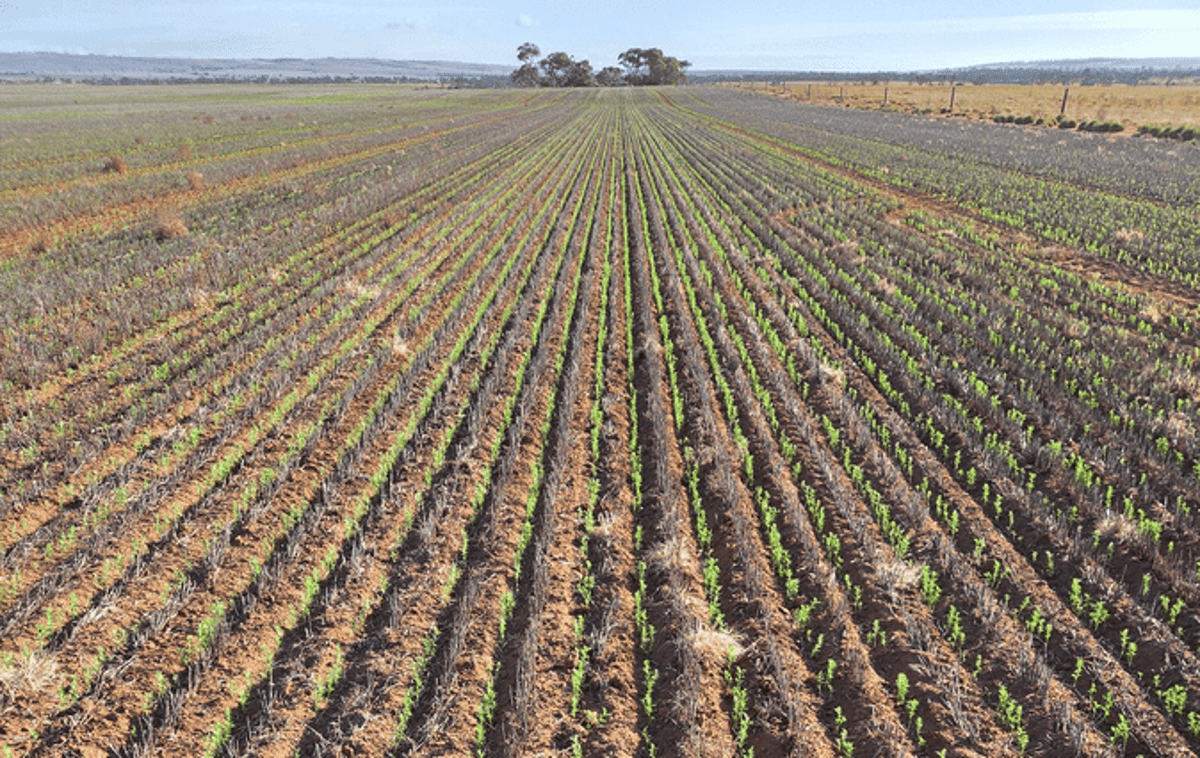
Australia’s pulse market is now wrestling with a classic climate‑price dilemma. A developing El Niño has left northern New South Wales and southwest Queensland bone‑dry, depleting subsoil moisture and forcing growers to scale back chickpea and faba bean plantings. The lack of rain not only trims acreage but also dampens market sentiment, as traders cite flat export pricing and high input costs—particularly diesel and urea, which have surged due to geopolitical tensions around the Strait of Hormuz. Consequently, the bulk chickpea price has stabilized near US$415 per tonne, offering little financial pull for new sowing.
At the same time, the domestic feed sector is reshaping demand dynamics. With northern grain supplies tightening, poultry processors in Brisbane are willing to pay a premium—about US$300 per tonne—for faba beans, nudging the market from an export‑focused outlook to a home‑grown feed narrative. This shift is reflected in the price spread between Brisbane’s poultry market and southern ports, where faba beans trade lower. Meanwhile, recent February rains in South Australia and Victoria have revitalised subsoil moisture, enabling lentil growers to resume planting and to target higher‑value container markets. Larger lentil varieties now command US$415‑$495 per tonne, a clear signal that quality differentials are being rewarded despite overall export volumes slumping.
Looking ahead, growers face a bifurcated risk landscape. If September rains arrive, northern growers may revert to broader pulse rotations; if not, fallowing could become the default strategy, preserving stored grain for future market cycles. Traders will watch diesel and fertilizer price trajectories closely, as any relief could tip the economics back toward planting. For investors and policy makers, the current pulse outlook underscores the need for resilient supply chains and diversified market channels to buffer against climate volatility and geopolitical supply shocks.
Pulse Update: Volume thins as dry in north intensifies
Comments
Want to join the conversation?
Loading comments...