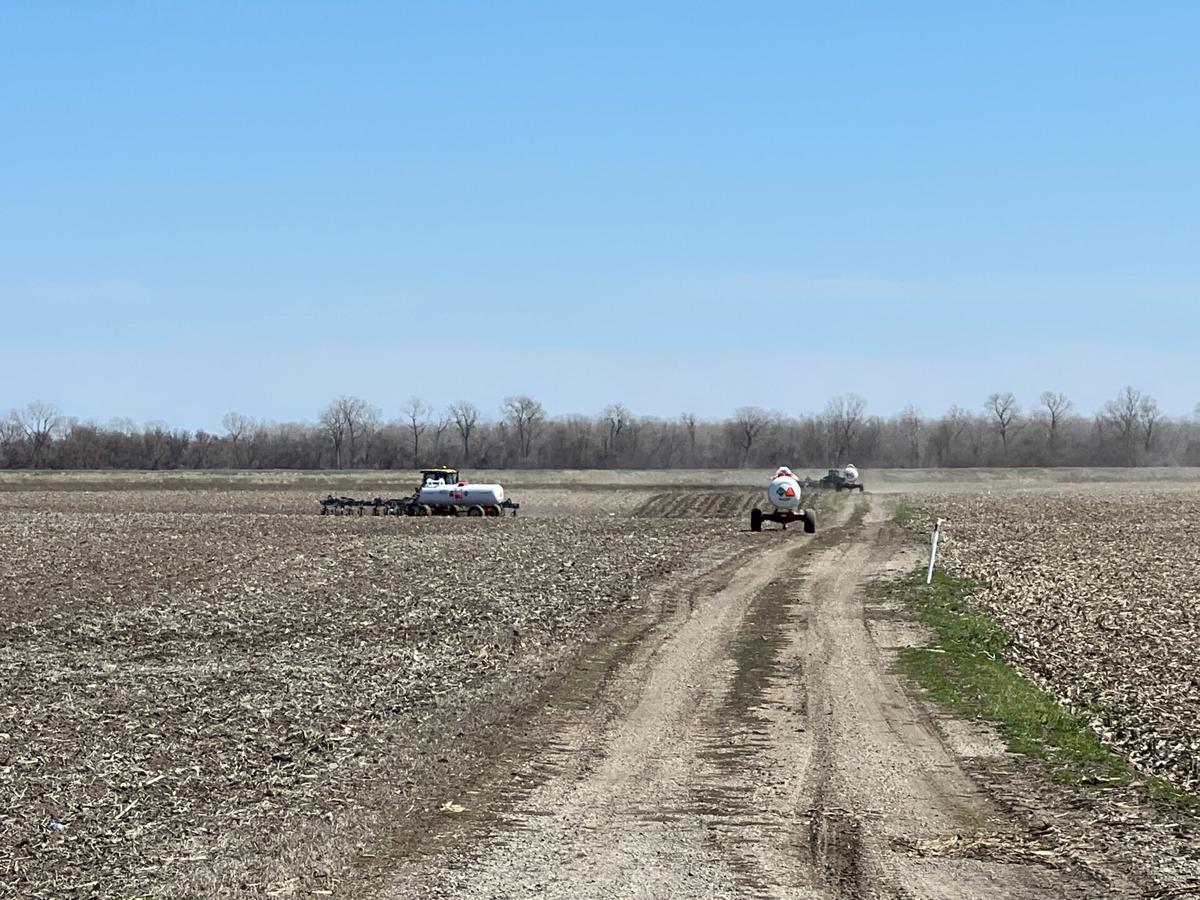
Purdue Economist: Geopolitical Tensions Igniting Long-Term Concerns About Fertilizer Prices
Why It Matters
Higher fertilizer costs compress farm margins and can trigger broader food‑price inflation, while a stronger domestic supply base would improve resilience against future geopolitical shocks.
Key Takeaways
- •Iran conflict lifts U.S. fertilizer costs >30% since February.
- •Prices unlikely to fall quickly, risking crop-season availability.
- •USDA collaborates with FTC and DOJ on price‑stability measures.
- •Domestic fertilizer expansion needed, but will not offset short‑term spikes.
Pulse Analysis
The Iran‑U.S. standoff has rippled through the global nitrogen market, where a majority of ammonia and urea originate from the Middle East. Disruptions to export routes and sanctions have driven spot prices above $1,200 per metric ton, a jump of more than 30% since February. For American growers, the surge translates directly into higher seed‑to‑harvest costs, squeezing profit margins that were already tight after recent grain price volatility. This price shock underscores how geopolitical risk remains a core driver of agricultural input pricing.
In response, the USDA has enlisted the Federal Trade Commission and the Department of Justice to explore both regulatory and market‑based remedies. Potential actions include monitoring anti‑competitive behavior among fertilizer distributors, facilitating strategic reserves, and evaluating temporary subsidies to cushion farmers. At the same time, policymakers are accelerating plans for domestic fertilizer plants, leveraging existing petrochemical infrastructure to reduce reliance on imports. However, constructing new facilities and securing feedstock can take several years, meaning short‑term relief will likely depend on policy levers rather than production capacity.
For the farming community, the immediate concern is maintaining planting schedules without sacrificing yield potential. Elevated fertilizer costs can force growers to cut back on application rates, which may depress crop productivity and, ultimately, food supply. Over the longer horizon, persistent price pressure could feed into consumer food prices, adding inflationary pressure to the broader economy. Building a resilient, diversified fertilizer supply chain—through both domestic manufacturing and strategic stockpiles—will be essential to safeguard U.S. agriculture against future geopolitical turbulence.
Purdue economist: Geopolitical tensions igniting long-term concerns about fertilizer prices
Comments
Want to join the conversation?
Loading comments...