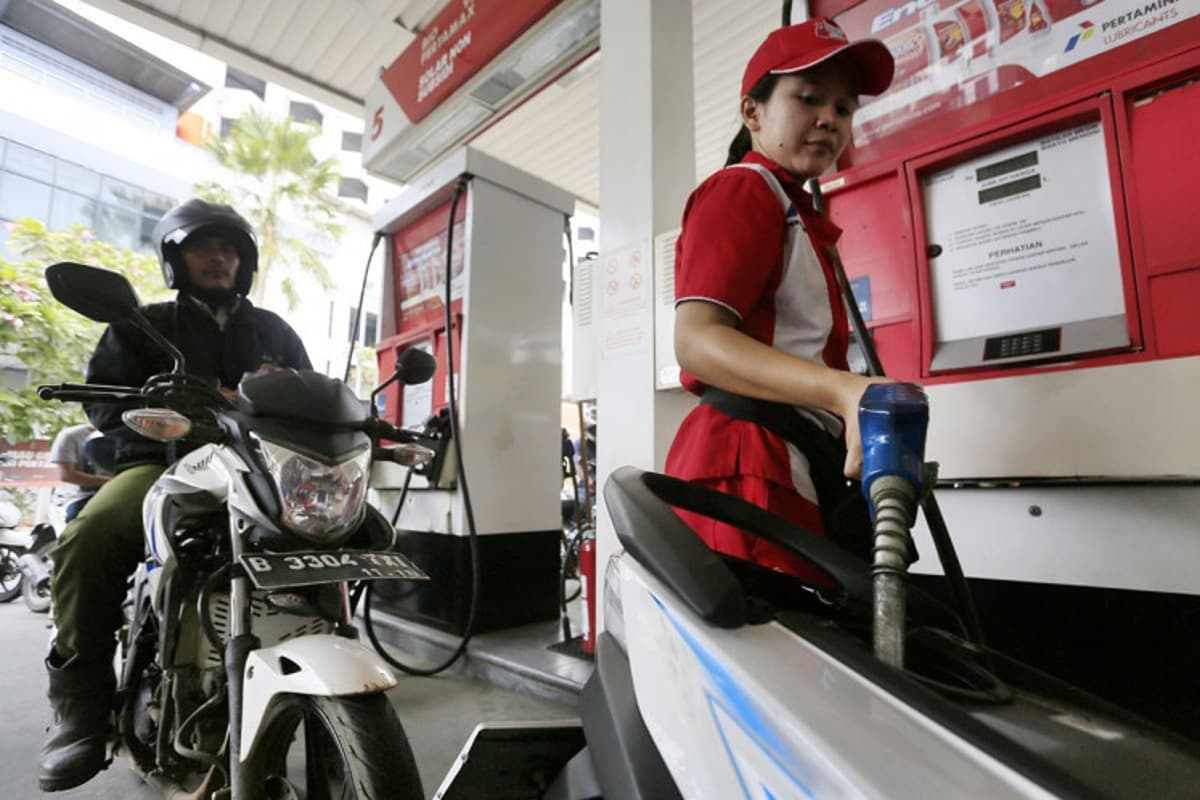
Reading the 2026 Fuel Adjustment: A Middle-Class Story
Why It Matters
The targeted price hike exposes Indonesia’s growing middle class to tighter household budgets, highlighting the trade‑off between subsidy protection and broader economic stability. Policymakers must balance short‑term relief for the poor with the medium‑term fiscal strain on a shrinking consumer segment.
Key Takeaways
- •2026 fuel hike targets only nonsubsidized fuels like Pertamax Turbo
- •Middle class spends ~9% of non‑food budget on fuel
- •Vulnerable households allocate 11% of non‑food budget to fuel
- •Lower‑middle class population fell 11 million from 2019‑2025
- •Government kept Pertalite and Pertamax prices unchanged to protect poor
Pulse Analysis
Indonesia’s latest fuel‑price adjustment reflects a strategic pivot from the blanket hikes of 2022 toward a more surgical approach. By raising only premium, nonsubsidized grades—Pertamax Turbo, Dexlite and Pertamina Dex—the government aims to preserve the subsidized Pertalite price, a lifeline for the nation’s poorest. This selective policy mirrors a broader trend in emerging markets where fiscal constraints force authorities to protect core social safety nets while limiting exposure to volatile global oil markets. The decision also underscores the political calculus of avoiding widespread unrest that followed the 2022 shock, when cash transfers were deployed to cushion lower‑income families.
The data reveal a paradox: while affluent Indonesians consume far more fuel per capita—about 36 liters monthly versus just 2 liters for the poorest—the relative budgetary bite is heavier on the middle class. Fuel now accounts for roughly 9% of the non‑food expenditure of lower‑middle households, compared with 5% for the upper tier and 11% for the most vulnerable. This disproportionate impact is amplified by a demographic squeeze; the lower‑middle class, defined as households earning 3.5–8.5 times the poverty line, has contracted by 11 million people since 2019. The shrinking cohort faces tighter margins, making any price increase feel more acute.
For policymakers, the challenge lies in balancing subsidy sustainability with social equity. Continued protection of Pertalite may preserve political stability, but the mounting pressure on the middle class could erode consumer confidence and dampen domestic demand. Future adjustments may need to incorporate targeted cash assistance or tax rebates for the lower‑middle segment to prevent a broader slowdown. As Indonesia navigates its fiscal path, the fuel‑price narrative will remain a bellwether for the country’s socioeconomic resilience.
Reading the 2026 fuel adjustment: A middle-class story
Comments
Want to join the conversation?
Loading comments...