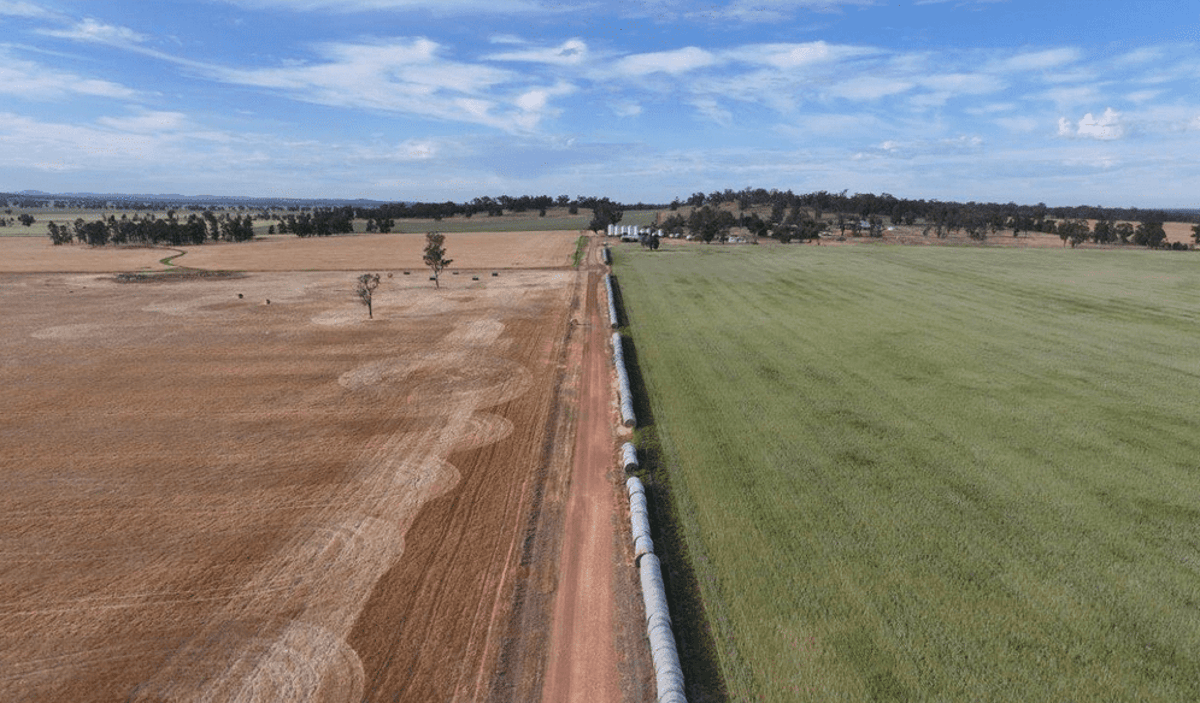
Season Finish, Input Costs See Demand Firm for Quality Country
Why It Matters
The divergent regional land‑price trends signal that quality Australian farmland remains a sought‑after asset, even as input cost volatility reshapes agribusiness financing and global grain supply dynamics.
Key Takeaways
- •Northern NSW grain output down 10% yet above long‑term average
- •Southern Qld prime dryland land trades $14‑16k USD per hectare
- •WA harvest hits 27.35 Mt, third record in five years
- •SA premium blocks sell above $30k USD/ha, highlighting rainfall value
- •Rising fuel, fertiliser and rates squeeze grower margins across Australia
Pulse Analysis
Australia’s grain sector entered the 2025‑26 season with production levels still comfortably above historical norms, yet the outlook is clouded by a confluence of macro‑economic headwinds. Global fuel disruptions linked to Middle‑East tensions have lifted diesel and petrol prices, while fertiliser markets face supply constraints and price spikes. Coupled with a firmer Australian dollar and elevated cash‑rate levels, these factors are compressing farm margins despite relatively stable wheat prices. The resulting cost pressure is prompting growers to reassess planting decisions and inventory strategies, especially in regions where rainfall remains uncertain.
Regional market dynamics reveal a nuanced picture of demand for high‑quality arable land. In southern Queensland, well‑located dryland parcels on the Bongeen Plains are changing hands for roughly $14,000‑$16,000 USD per hectare, reflecting investors’ appetite for resilient production zones. South Australia’s premium blocks, such as the $37,152 AUD/ha (≈$24,500 USD/ha) Argyle Farm sale, underscore the premium placed on reliable rainfall. Conversely, southern NSW sees slower transaction volumes, with buyers favoring smaller, neighbour‑to‑neighbour deals amid higher borrowing costs. Western Australia’s record 27.35 Mt harvest reinforces the state’s reputation for consistent yields, yet margin pressure remains a central concern for operators.
For the broader agribusiness community, these trends highlight the importance of cost‑efficiency and strategic land acquisition. Investors are likely to prioritize parcels that combine strong soil moisture retention with proximity to infrastructure, mitigating the impact of volatile input prices. Policy makers must monitor the interplay between fuel, fertiliser supply chains and interest‑rate policy, as prolonged cost pressures could dampen farm investment and affect Australia’s role in global grain markets. Over the next 12‑18 months, rainfall patterns and any easing of geopolitical tensions will be pivotal in shaping both commodity pricing and farmland valuations.
Season finish, input costs see demand firm for quality country
Comments
Want to join the conversation?
Loading comments...