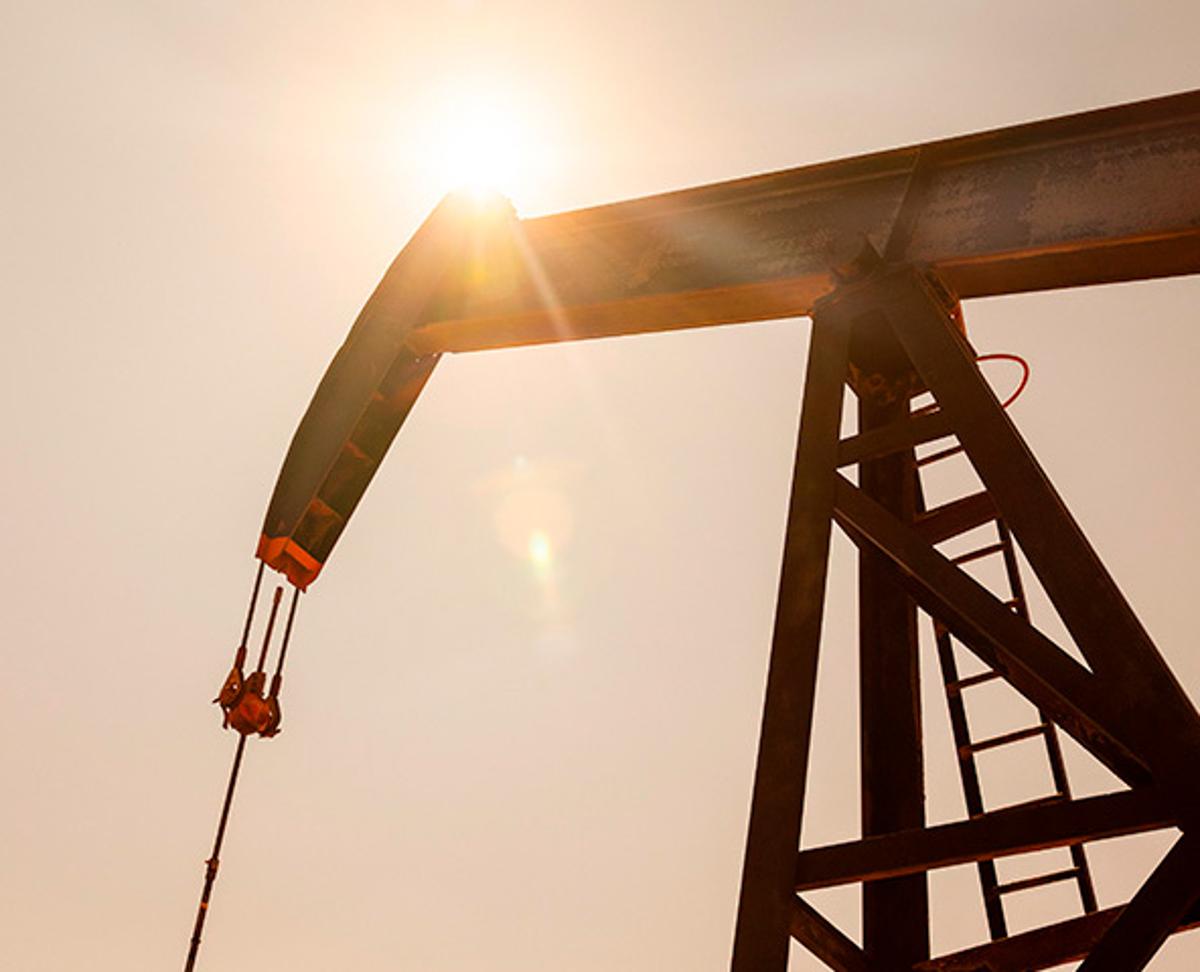
Shale Giant Diamondback Says Global Oil Glut Fears Are Fading
•February 24, 2026
0
Why It Matters
The easing glut narrative could support higher oil prices and reshape investment strategies across the U.S. shale sector.
Key Takeaways
- •Global oil glut concerns diminishing per Diamondback CEO
- •U.S. crude futures up 15% YTD, reversing 2025 loss
- •Demand remains strong despite earlier oversupply warnings
- •Diamondback keeps output steady, eyes deeper Permian zones
- •Market may become less bearish as economy grows
Pulse Analysis
For most of 2025, analysts from the International Energy Agency and major trading houses warned that a looming oil glut would drive crude prices into a steep decline. Those forecasts were based on an anticipated surge in U.S. shale output combined with a slowdown in global economic activity. However, the past eight weeks have shown a different picture: demand has held up better than expected, and inventory builds have stalled, prompting a reassessment of the oversupply narrative.
Diamondback Energy’s latest shareholder letter reflects that reassessment. CEO Kaes Van’t Hof confirmed the company will keep production roughly level with the final quarter of 2025, avoiding aggressive expansion while it probes the deepest development zones of the Permian basin. By targeting untapped reservoirs, Diamondback aims to add reserve upside without flooding the market, a tactic that could preserve its profit margins even if broader supply growth resumes.
The shift away from glut fears has broader market implications. Higher oil futures—up more than 15% year‑to‑date—signal that investors are pricing in stronger demand and a potentially tighter market, which could lift the entire U.S. shale sector. For capital‑intensive operators, steady output coupled with selective drilling may become the preferred playbook, while OPEC and other producers will watch U.S. activity closely as they calibrate output decisions. Ultimately, the evolving outlook underscores the importance of flexible strategies in a volatile energy landscape.
Shale giant Diamondback says global oil glut fears are fading
0
Comments
Want to join the conversation?
Loading comments...