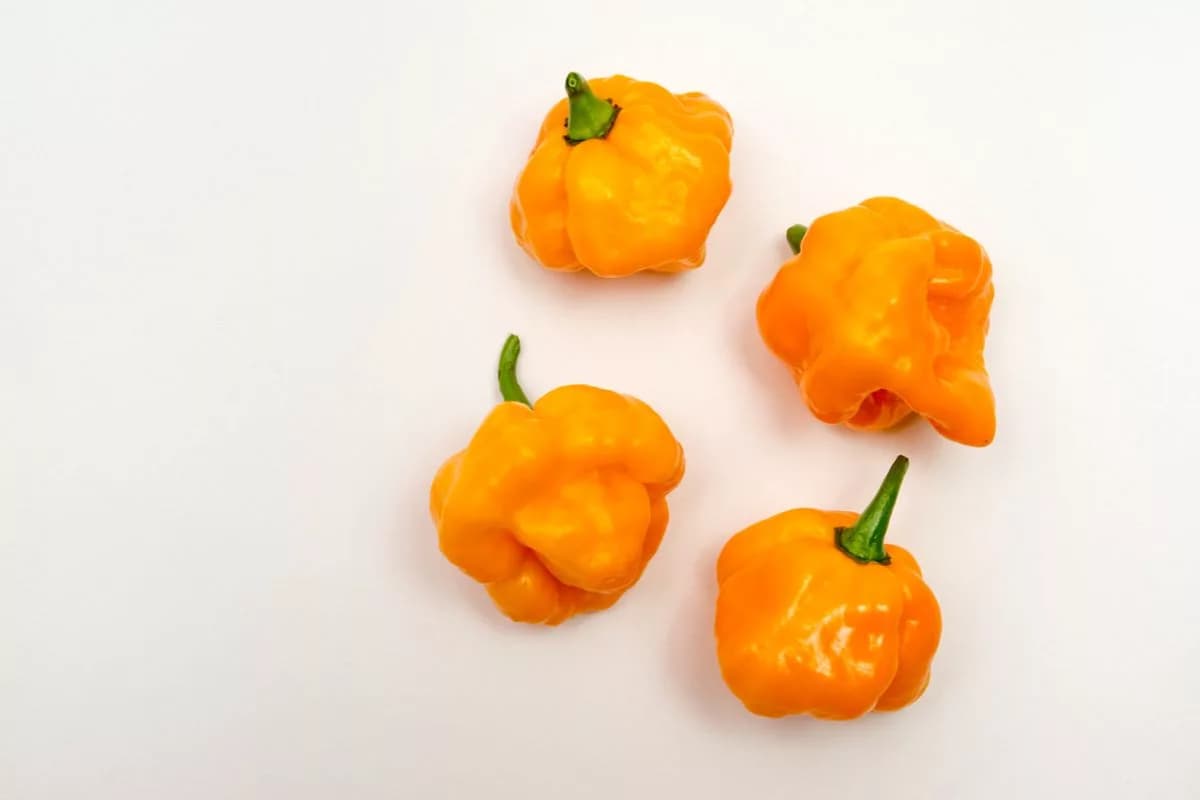
Shortage of Caribbean Hot Sauce Peppers Looms
Companies Mentioned
Why It Matters
The pepper shortage threatens supply continuity and profit margins for hot sauce manufacturers across the Caribbean and export markets. Restoring Scotch bonnet production is critical to preserving product authenticity and stabilizing regional food‑and‑beverage supply chains.
Key Takeaways
- •Hurricanes in Jamaica cut Scotch bonnet harvests dramatically
- •Disease and pests further reduce pepper yields
- •Production costs for Caribbean hot sauce are soaring
- •Hybrid red chilies offer higher yields but lack traditional flavor
- •Government distributes seeds to 650 farmers to revive crops
Pulse Analysis
The Scotch bonnet pepper is more than a culinary staple; it underpins the Caribbean hot‑sauce market, which generates millions of dollars in export revenue each year. Its distinctive heat and fruity aroma are irreplaceable for brands that market authenticity. However, the crop is notoriously fragile, thriving only in well‑drained soils and moderate rainfall. In the past year, a string of Category 4 hurricanes battered Jamaica—one of the world’s largest Scotch bonnet producers—while viral diseases and invasive pests swept through fields, sharply curtailing yields.
Reduced harvests have sent raw‑material costs soaring, squeezing margins for sauce manufacturers and prompting supply‑chain disruptions for distributors in North America and Europe. Some producers have turned to high‑yielding hybrid red chilies, which resist disease and produce larger fruit, but the flavor profile diverges from the traditional Scotch bonnet, risking brand dilution. This trade‑off highlights a broader tension in the food‑and‑beverage sector: balancing cost efficiency with consumer expectations for authentic taste, especially as climate‑related shocks become more frequent.
To mitigate the crisis, the Jamaican Ministry of Agriculture launched a seed‑distribution program, delivering certified Scotch bonnet seeds to 650 smallholder farms. The initiative aims to rebuild planting acreage, improve genetic resilience, and stabilize prices before the next harvest season. If successful, the program could serve as a model for other climate‑vulnerable crops, reinforcing supply‑chain resilience across the Caribbean. Stakeholders—from growers to global hot‑sauce brands—will be watching closely, as the outcome will shape product availability and pricing in markets that prize genuine Caribbean flavor.
Shortage of Caribbean Hot Sauce Peppers Looms
Comments
Want to join the conversation?
Loading comments...