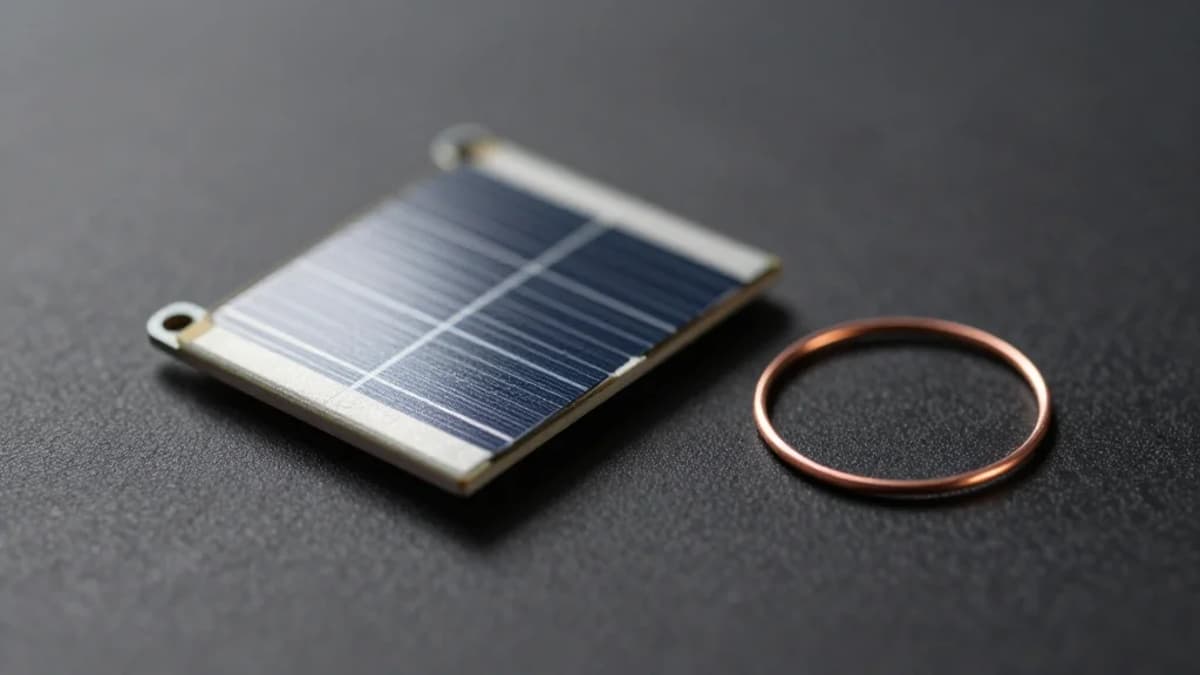
Silver-Saving Efforts Ramping up in Solar Industry, Says Heraeus
Why It Matters
The cost squeeze threatens margins and could reshape material sourcing across the solar supply chain, influencing investment and pricing strategies industry‑wide.
Key Takeaways
- •Silver prices up 187% since early 2025.
- •Silver paste makes up to 30% of cell cost.
- •PV demand fell 30% after 2011 price spike.
- •Manufacturers testing copper metallization for cost reduction.
- •Longi plans mass‑production copper cells this year.
Pulse Analysis
Silver prices have surged to an all‑time high, remaining 187 % above early‑2025 levels. Because silver paste can represent up to 30 % of a photovoltaic cell’s bill of materials, the price spike directly squeezes manufacturers’ already thin margins. The cost pressure arrives amid a market characterized by excess capacity, falling module prices, and modest growth in new installations, prompting firms to re‑evaluate their metallisation strategies. Furthermore, the volatility complicates long‑term pricing contracts, forcing manufacturers to adopt hedging strategies or pass costs to downstream developers.
The industry’s first major silver‑reduction wave occurred after the 2011 $50‑per‑ounce spike, cutting photovoltaic silver demand by roughly 30 % while global installations doubled. Since then, incremental gains have been harder to achieve, but copper is emerging as the most viable substitute. Copper works well in back‑contact cell architectures, yet integrating it into conventional top‑contact designs poses metallurgical and reliability challenges. Companies such as Longi and DK Electronic Materials are leading pilot programmes, with Longi targeting full‑scale copper‑based production this year. Research into copper‑silver alloy pastes aims to combine conductivity with lower material cost, though scaling these formulations remains a technical hurdle.
Heraeus projects photovoltaic silver consumption at about 195 million ounces last year and expects a further decline as copper substitution scales. Stable global PV installations of roughly 655 GW suggest demand growth will come primarily from material efficiency rather than capacity expansion. Investors and supply‑chain managers should monitor copper‑focused R&D, as successful integration could reshape the precious‑metal exposure of solar portfolios and create new opportunities for copper producers. Policy incentives that reward lower‑cost, high‑efficiency modules could accelerate copper adoption, while trade policies affecting silver imports may further influence manufacturers’ material choices.
Silver-saving efforts ramping up in solar industry, says Heraeus


Comments
Want to join the conversation?
Loading comments...