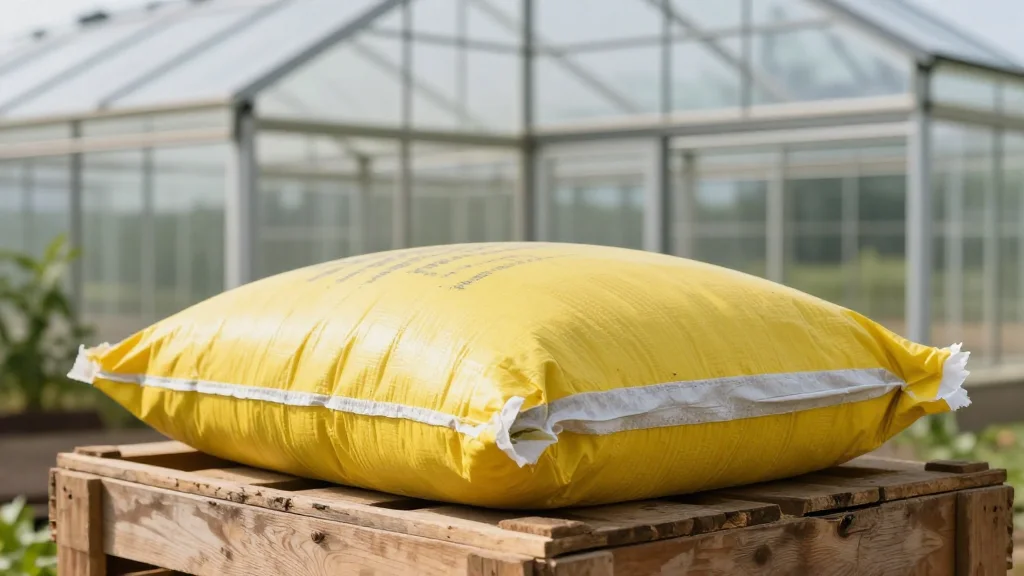
Singapore: Growers Face Pressure From Rising Energy, Fuel Costs
Why It Matters
The cost surge threatens farm profitability and could translate into higher food prices for Singapore consumers, highlighting supply‑chain vulnerability to geopolitical shocks. It underscores the need for energy‑efficient farming and diversified input sourcing.
Key Takeaways
- •Fertiliser prices up, stocks cover six months only.
- •Delivery costs rise 10‑15%, cutting farm profits 10%.
- •Consumer vegetable prices could climb up to 20%.
- •Indoor farms face higher electricity bills amid price hikes.
- •Conflict‑driven energy spikes threaten Singapore farm profitability.
Pulse Analysis
The war in the Middle East has rippled through global commodity markets, sending fertilizer, diesel and freight rates soaring. Singapore, which imports more than 90% of its agricultural inputs, feels the shock acutely as bulk shipments become costlier and shipping lanes face volatility. Analysts estimate that fertilizer prices could remain elevated for at least six months, compressing margins for both conventional and high‑tech growers. This external pressure forces local producers to reassess budgeting cycles and explore alternative sourcing or bulk‑purchase agreements to shield against further price turbulence.
On the ground, farms are already seeing profit erosion. Vegeponics Farm disclosed that its current fertilizer inventory will only sustain operations for the next half‑year, after which purchases will be at markedly higher rates. Simultaneously, third‑party logistics providers have raised per‑trip delivery fees by 10‑15%, shaving roughly 10% off farm earnings. If these trends persist, retailers may be compelled to pass costs onto shoppers, with vegetable prices projected to climb as much as 20%. The squeeze highlights the fragility of Singapore’s food‑price stability in a volatile energy environment.
Indoor vertical farms, while less reliant on synthetic fertilizers, are not immune; their electricity‑intensive lighting and climate control systems make them vulnerable to rising power tariffs. GreenLoop’s founders warn that sustained electricity hikes could offset the efficiencies gained from reduced fertilizer use. To mitigate these risks, growers are investing in renewable on‑site generation, demand‑response programs, and energy‑efficient LED technologies. Policymakers, meanwhile, are urged to consider subsidies or tax incentives that encourage low‑carbon farming methods, ensuring Singapore’s food security remains resilient amid ongoing geopolitical and energy uncertainties.
Singapore: Growers face pressure from rising energy, fuel costs
Comments
Want to join the conversation?
Loading comments...