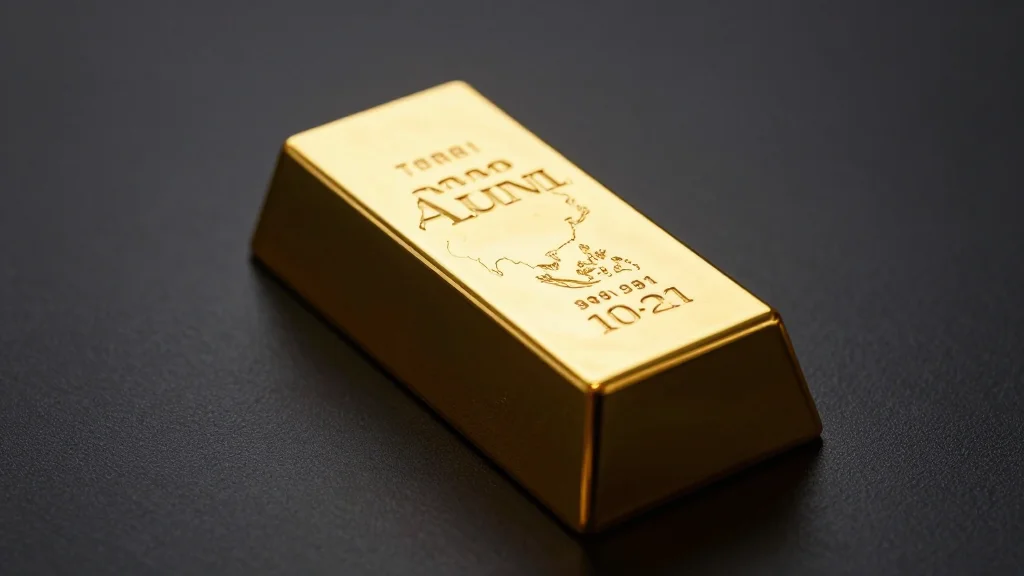
Singapore’s Gold Demand Jumps Record 42% in Q1 Amid Geopolitical Risks, Volatile Prices
Why It Matters
The spike underscores gold’s role as a safe‑haven amid heightened geopolitical tension and volatile markets, signaling stronger investment demand that could pressure prices and influence central‑bank strategies.
Key Takeaways
- •Singapore’s physical gold demand hit 3.5 tonnes, up 42% YoY
- •Asian‑listed gold ETFs added 84 tonnes, the highest regional inflow
- •Central banks purchased 243.7 tonnes of gold, a 3% YoY rise
- •Singapore jewellery consumption fell 13% to 1.5 tonnes
Pulse Analysis
The first‑quarter surge in Singapore’s physical gold purchases reflects a broader shift toward tangible assets as investors scramble for protection against escalating geopolitical uncertainty. A 42 percent year‑on‑year jump to 3.5 tonnes makes the market the strongest in Southeast Asia, echoing a global 42 percent rise in bar and coin demand that pushed total volumes to 473.6 tonnes. The rally was fueled by the metal’s safe‑haven appeal after it peaked near $5,500 an ounce in January, only to retreat to roughly $4,600 as liquidity pressures mounted amid the Middle‑East conflict.
Asia‑Pacific investors have been the most aggressive, with regional gold‑ETF inflows reaching 84 tonnes—outpacing all other markets—while Western funds recorded net outflows. Central banks added 243.7 tonnes of bullion, a modest 3 percent increase, underscoring institutional confidence despite heightened selling activity elsewhere. By contrast, consumer jewellery demand in Singapore slipped 13 percent to 1.5 tonnes, indicating that price sensitivity is curbing retail purchases even as investors pile into bars and coins. Neighboring markets such as Malaysia, Indonesia and Thailand posted double‑digit demand gains, reinforcing the regional tilt toward physical gold.
Looking ahead, the premium attached to geopolitical risk is likely to keep investment demand robust, but higher‑for‑longer interest rates could temper enthusiasm, especially in rate‑sensitive Western markets. If price volatility persists, Asian ETFs may continue to attract capital, further narrowing the gap between institutional and retail exposure. Analysts also warn that sustained central‑bank accumulation could tighten supply, adding upward pressure on spot prices. For Singapore and its neighbors, the current environment positions gold as both an inflation hedge and a strategic reserve, a dual role that may shape portfolio allocations through the remainder of 2026.
Singapore’s gold demand jumps record 42% in Q1 amid geopolitical risks, volatile prices
Comments
Want to join the conversation?
Loading comments...