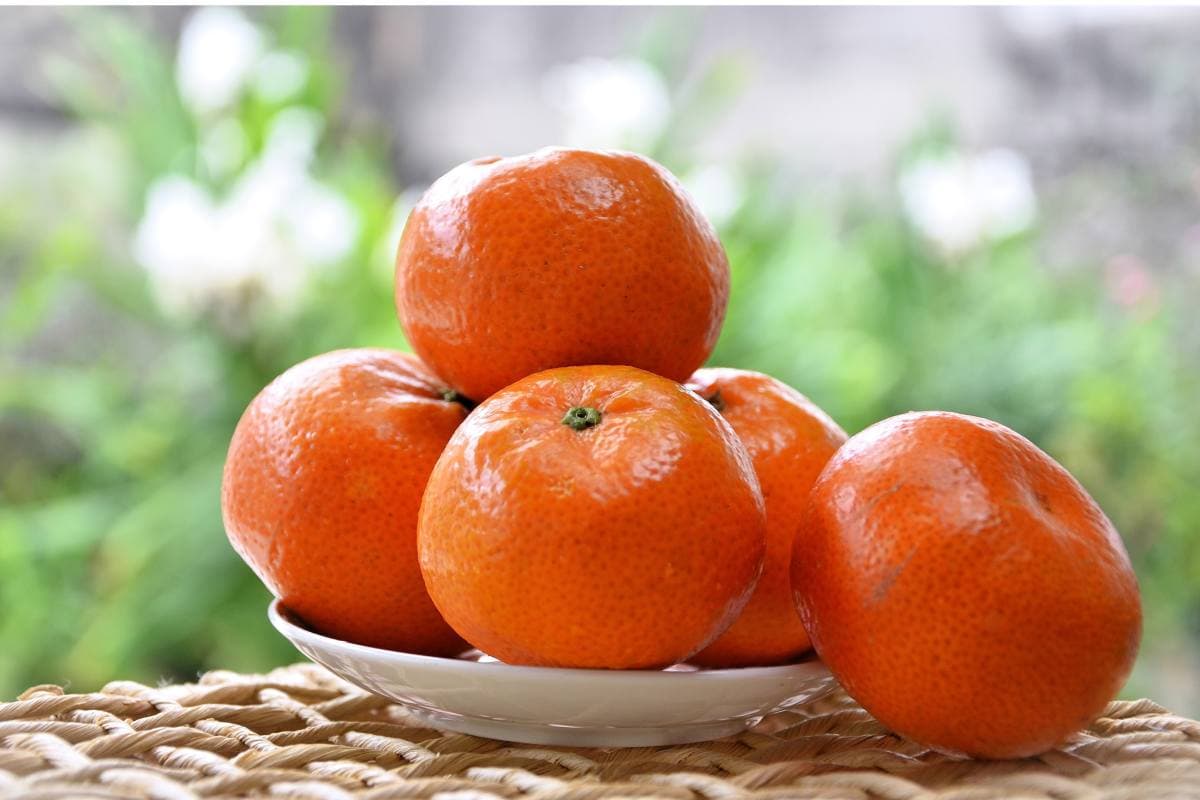
South Africa: Late Mandarin Exports Stabilize in 2026 with Slight Drop
Why It Matters
The shift indicates that South Africa’s mandarin sector is reaching a plateau, affecting growers’ planting decisions and export revenue forecasts. Stable yet slightly lower volumes also influence supply dynamics for key Middle‑Eastern importers.
Key Takeaways
- •Nadorcott/Tango exports fall 1.6% to 30.5M boxes.
- •Leanri variety rises 13% to 2.6M boxes.
- •Orri volume drops 11% to 2.4M boxes.
- •Other late mandarins grow 11% to nearly 4M boxes.
- •Total citrus exports rise 2% to 209M boxes.
Pulse Analysis
After a decade of double‑digit expansion, South Africa’s late‑mandarin segment entered a consolidation phase in 2026. The Citrus Growers’ Association of Southern Africa (CGA) estimates total citrus exports at 209 million 15‑kg boxes, a modest 2 percent rise from the previous year, while late‑mandarin shipments edged down slightly. This nuanced performance reflects a broader industry trend where growth rates are normalizing as the sector approaches its production capacity limits. For international buyers, the data signals a reliable, albeit steadier, supply stream from the region’s established orchards. The stability also helps maintain price competitiveness against competing exporters from Spain and the United States.
Varietal shifts drove the headline numbers. 5 million boxes amid lower yields in the Eastern and Western Cape, which together supply roughly 60 percent of that variety. Meanwhile, the Orri type fell 11 percent, while the “other late mandarins” category, led by Royal Honey Murcott, grew 11 percent to almost four million boxes. Growers are likely to recalibrate planting ratios, favoring varieties with stronger price resilience and lower climate vulnerability. Such rebalancing may improve overall yield efficiency and reduce reliance on water‑intensive varieties.
External factors remain a wildcard for the next campaign. Ongoing disruptions in Middle‑Eastern logistics could compress transit times and pressure freight costs, potentially reshaping demand patterns for South African mandarins. Nevertheless, the sector’s solid production base and incremental export growth provide a buffer against short‑term shocks. Analysts anticipate that if geopolitical tensions ease and weather conditions stay favorable, the modest upward trajectory could resume, positioning South Africa as a steady supplier in the global citrus market. Long‑term contracts with European processors are being renegotiated to reflect the new supply outlook.
South Africa: Late mandarin exports stabilize in 2026 with slight drop
Comments
Want to join the conversation?
Loading comments...