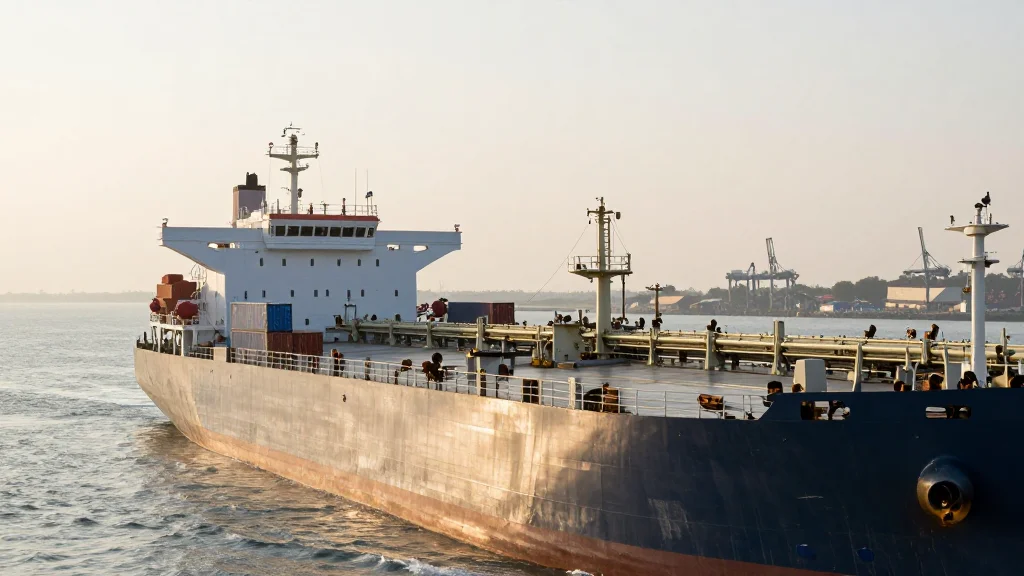
Southeast Asia Scrambles for Supply as Crisis Tests Regional Unity
Why It Matters
The cargo eases immediate supply pressure for Southeast Asia, while highlighting the region’s need for coordinated energy strategies to navigate Middle East volatility. It also positions Petronas as a pivotal player in reshaping regional crude sourcing.
Key Takeaways
- •Petronas secured Iraqi crude amid Middle East supply crunch
- •Pengerang hub boosts regional refining capacity for tight markets
- •Southeast Asian nations intensify imports to offset disrupted oil flows
- •Crisis highlights need for coordinated energy strategies in ASEAN
- •Rare cargo underscores shifting trade routes away from traditional sources
Pulse Analysis
Middle East turmoil has reverberated through global oil markets, curbing shipments from traditional exporters and prompting buyers to seek alternative sources. For Southeast Asia, a region that consumes roughly 5 million barrels per day, the disruption threatens refinery runs and price stability. Traders have responded by widening the basket of origins, turning to non‑traditional producers and spot purchases to fill the gap left by constrained Persian Gulf flows. This shift underscores the growing volatility in supply chains that once seemed predictable.
Petronas’s acquisition of a rare Iraqi crude at the Pengerang complex illustrates how major refiners are adapting. The Pengerang Integrated Complex, with a 300,000‑barrel‑per‑day capacity, is strategically positioned to process a variety of grades, making it an ideal entry point for unconventional cargoes. By securing the Iraqi shipment, Petronas not only safeguards its own feedstock needs but also signals to regional partners that Malaysia is willing to act as a logistical hub for alternative supplies. The move may encourage other ASEAN refiners to explore similar contracts, diversifying their feedstock portfolios and reducing reliance on any single source.
The broader implication for ASEAN is a renewed focus on energy security collaboration. The crisis has exposed gaps in collective planning, prompting calls for joint stockpiling, shared infrastructure, and coordinated procurement strategies. As nations like Indonesia, Thailand, and Vietnam grapple with similar supply constraints, a unified approach could mitigate price spikes and ensure refinery continuity. In the longer term, the episode may accelerate investments in regional pipelines, storage facilities, and even renewable integration, fostering a more resilient and diversified energy landscape across Southeast Asia.
Southeast Asia Scrambles for Supply as Crisis Tests Regional Unity
Comments
Want to join the conversation?
Loading comments...