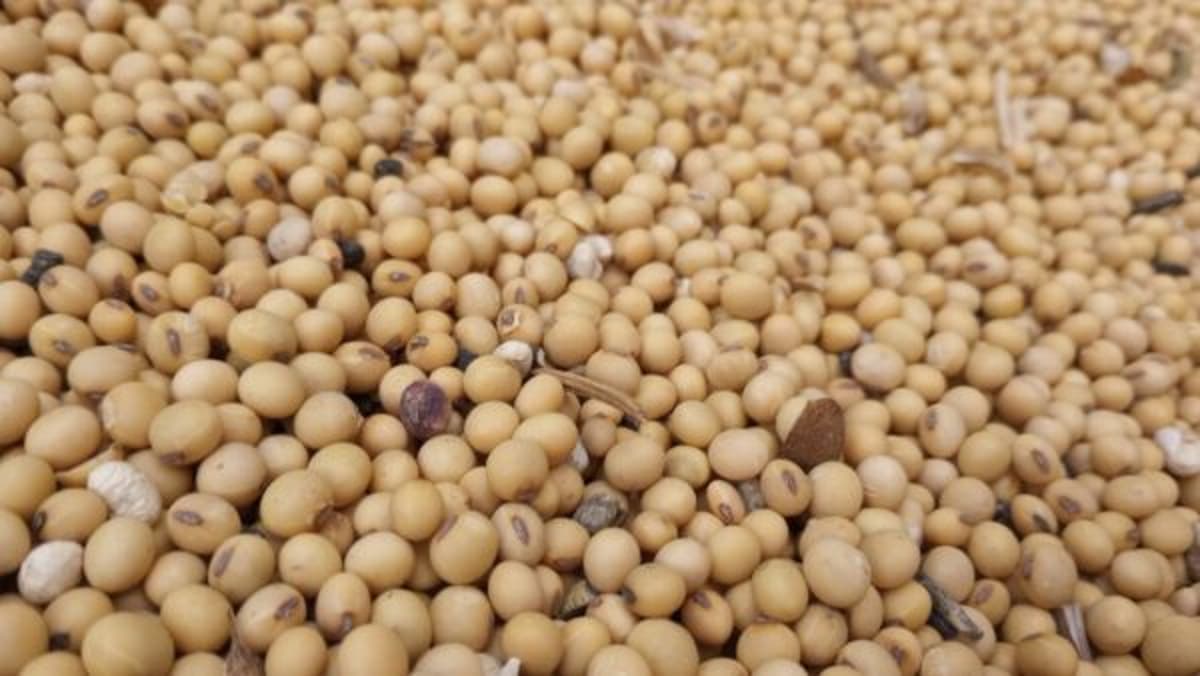
Soybean Growers Applaud Court Ruling, Warn Against New Trump Tariffs
•February 20, 2026
0
Why It Matters
The ruling removes a legal tool that could have raised production costs for U.S. soybeans, while the president’s new tariff threat could still tighten margins and disrupt export competitiveness, creating heightened trade policy uncertainty for the ag sector.
Key Takeaways
- •SCOTUS blocks Trump’s IEEPA ag‑input tariffs.
- •Trump vows 10% global tariff via Section 122.
- •Soybean growers fear rising input costs, demand trade deals.
- •Potential tariffs could use Sections 301 or 232.
- •Upcoming US‑China talks critical for soybean market.
Pulse Analysis
The Supreme Court’s recent opinion curtails President Trump’s ability to wield the International Emergency Economic Powers Act (IEEPA) as a shortcut for imposing tariffs on farm inputs. By striking down the IEEPA orders that targeted fertilizer, equipment and other ag‑inputs, the Court removed a mechanism that could have driven input prices higher at a time when soybean producers are already confronting record‑high cost pressures. For the American Soybean Association and its members, the decision restores a degree of cost certainty and underscores the judiciary’s role in checking executive trade actions.
Undeterred, the White House signaled a shift to Section 122 of the Trade Act, proposing a blanket 10 percent tariff on imports from all countries. Trump also hinted at leveraging Sections 301 and 232, which have historically been used to address unfair trade practices and national‑security concerns. While these authorities bypass the IEEPA ruling, they carry their own legal and diplomatic risks, potentially prompting retaliatory measures from trading partners. For soybean growers, any additional duty on inputs or export markets could compress profit margins and raise the cost of production.
ASA President Scott Metzger urged the administration to focus on negotiated trade agreements that secure market access rather than expanding tariff layers. The timing is critical, as a high‑level U.S.–China dialogue slated for late March could shape the future of soybean exports, which rely heavily on Chinese demand. Stakeholders are watching closely for signals on whether the administration will prioritize diplomatic solutions or continue to weaponize tariffs. The outcome will influence planting decisions, input purchasing strategies, and the overall competitiveness of U.S. soybeans in global markets.
Soybean growers applaud court ruling, warn against new Trump tariffs
0
Comments
Want to join the conversation?
Loading comments...