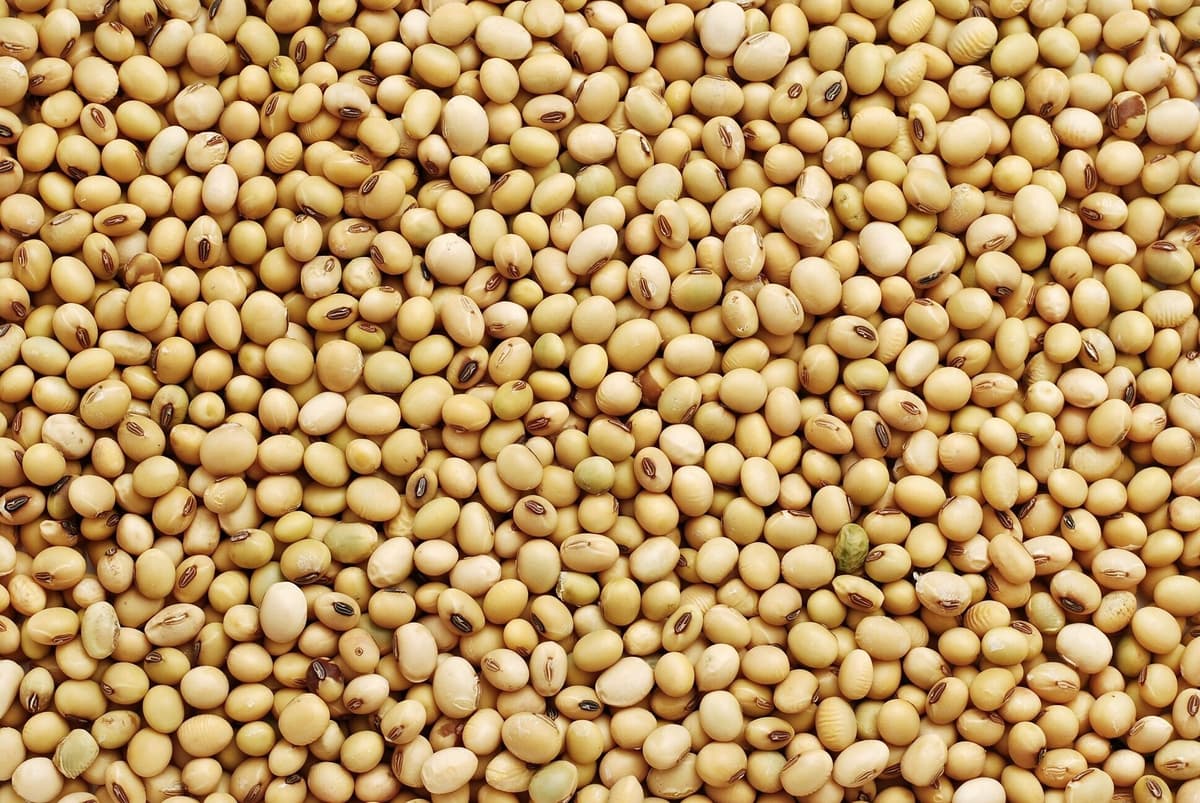
Soybean Price Commentary: Futures Fall on US Tariffs, Bearish Derived and External Markets
Companies Mentioned

Why It Matters
The renewed tariff risk threatens to curtail U.S. soybean export volumes to its largest market, potentially reshaping global grain price dynamics and tightening supply chains for food processors worldwide.
Key Takeaways
- •July CME soybean futures slipped 0.71% to $11.21/bu, down 5.44% weekly.
- •New 12.5% US tariff on Chinese imports sparked market sell‑off.
- •USDA reported only 276,852 tonnes sold week ending May 28.
- •Brazilian FOB premiums rose to 80‑83 cents/bu above CME prices.
- •Stronger dollar and falling crude added bearish pressure on soy markets.
Pulse Analysis
The latest U.S. tariff announcement has injected fresh volatility into the soybean market, a commodity already sensitive to geopolitical shifts. By imposing a 12.5% duty on Chinese goods, Washington has effectively raised the cost of importing U.S. soybeans into its biggest overseas buyer. Traders are re‑evaluating the recently secured China‑U.S. purchase pact, fearing that Beijing may respond with counter‑tariffs or simply reduce its import commitments. This uncertainty is reflected in the July CME contract’s 0.71% dip and a broader 5.44% weekly decline, underscoring how policy moves can quickly translate into price pressure.
Beyond the tariff shock, macro‑economic forces are compounding the bearish tone. A 0.64% rise in the U.S. Dollar Index makes dollar‑denominated soybeans more expensive for foreign buyers, while a 2.69% slide in crude oil—an indirect cost driver for farm inputs—has reduced speculative appetite in grain futures. Downward moves in related soy‑meal and soy‑oil contracts further signal a risk‑off environment. At the same time, Brazilian FOB premiums have widened, with July loading prices 80‑83 cents per bushel above CME levels, indicating that exporters are demanding higher compensation for perceived risk.
Looking ahead, market participants will watch several variables closely. If China escalates trade friction, U.S. soybean exporters could face a sharp drop in demand, pressuring futures lower and prompting a shift toward alternative markets such as Brazil and Argentina. Conversely, a de‑escalation or a new trade agreement could restore confidence and revive price momentum. For agribusinesses and investors, the key is to balance tariff risk with broader currency and commodity trends, ensuring supply‑chain resilience amid an increasingly politicized global food system.
Soybean price commentary: Futures fall on US tariffs, bearish derived and external markets
Comments
Want to join the conversation?
Loading comments...