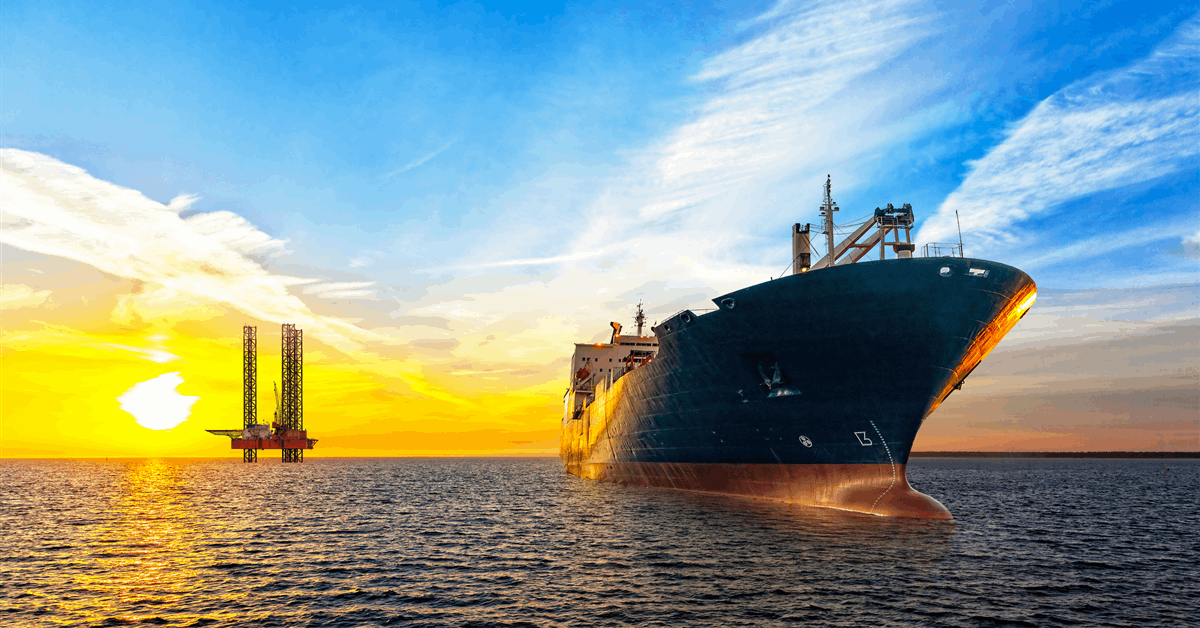
Surging Oil Tanker Rates Tipped to Go Even Higher
•February 20, 2026
0
Why It Matters
Rising charter rates increase shipping costs, squeezing oil refiners and potentially lifting global fuel prices. The market’s sensitivity to geopolitical shocks underscores strategic risks for both shippers and investors.
Key Takeaways
- •VLCC day rates hit $151,208, near decade high
- •US-Iran tensions raise risk premium for tankers
- •Sinokor controls ~120 VLCCs, 40% market share
- •Global crude output up 3.9 mb/d YoY
- •Tight vessel supply could amplify freight spikes
Pulse Analysis
The recent jump in VLCC charter rates reflects a confluence of supply‑side constraints and geopolitical uncertainty. As the United States positions forces near Iran, market participants price in a premium for the risk of disrupted traffic through the Strait of Hormuz, a chokepoint that handles a substantial share of global oil shipments. This risk premium, combined with a surge in global crude output, has driven day rates on the lucrative Middle East‑to‑China corridor to levels not seen since the pandemic‑induced storage boom of 2020.
Consolidation in the supertanker segment is amplifying the price pressure. Sinokor Merchant Marine’s aggressive acquisition strategy now gives it control of roughly 120 very‑large crude carriers, representing about 40% of the available unsanctioned tonnage. Such concentration reduces the pool of vessels that charterers can access on short notice, forcing them to compete for a limited supply and accept higher daily fees. Competitors like Okeanis Eco Tankers note that this ownership shift makes the market more vulnerable to rapid rate spikes should a conflict materialize.
For the broader oil ecosystem, elevated freight costs translate into higher landed prices for refiners, especially those reliant on the Middle East‑to‑China supply chain. While some of the expense may be passed to end‑consumers, the added volatility also influences hedging strategies and investment decisions in both upstream and downstream sectors. Stakeholders must monitor geopolitical developments and vessel‑ownership trends, as they will shape the cost structure of oil transport and, by extension, global energy markets for the foreseeable future.
Surging Oil Tanker Rates Tipped to Go Even Higher
0
Comments
Want to join the conversation?
Loading comments...