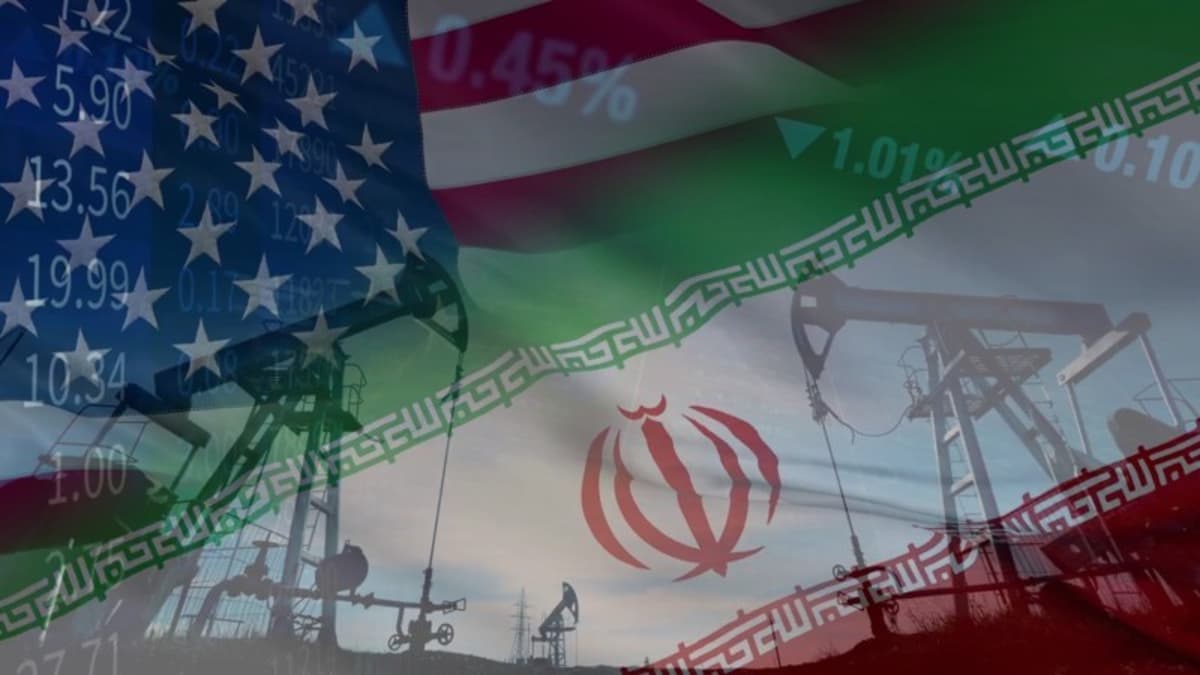
The Commodities Feed: Oil Falls as US-Iran Sign Deal
Companies Mentioned
Why It Matters
The price decline underscores how quickly geopolitical de‑escalation can reshape oil markets, while tighter inventories and revised demand forecasts signal a more volatile supply‑demand balance ahead. Investors must monitor sanction lifts and inventory trends to gauge future price trajectories.
Key Takeaways
- •WTI fell below $75 per barrel after US‑Iran peace deal
- •Strait of Hormuz reopening expected to boost oil flow normalization
- •EIA reports largest crude draw since February, stocks near 1985 lows
- •IEA cuts 2026 demand forecast by 400k barrels per day
- •Gold rose above $4,320/oz as risk sentiment improves
Pulse Analysis
The unexpected US‑Iran peace accord sent a shockwave through energy markets, snapping a brief rally in oil and pushing NYMEX WTI under the psychologically important $75 threshold. Traders priced in a rapid reopening of the Strait of Hormuz, which had been a persistent supply‑risk premium, while the immediate expectation of lifted sanctions on Iranian crude added a further bearish tilt. At the same time, the Energy Information Administration recorded an 8.3‑million‑barrel draw, tightening U.S. crude stocks to levels not seen since the mid‑1980s and reinforcing the price dip.
Beyond the headline move, the International Energy Agency revised its 2026 demand outlook, now forecasting a 1.1 million‑barrel‑per‑day decline—400,000 barrels more than previously expected. The agency still anticipates a rebound in 2027 as trade routes normalize and economic conditions improve, but the near‑term contraction highlights the fragility of demand in a post‑pandemic world still wrestling with geopolitical uncertainty. On the supply side, global output is projected to dip to 102.4 million barrels per day in 2026 before a modest rise the following year, suggesting that any sustained price recovery will depend on how quickly Iranian exports re‑enter the market and how refiners adjust utilization rates.
Precious metals responded in kind, with spot gold climbing back above $4,320 per ounce as investors balanced a hawkish Federal Reserve outlook against easing energy‑supply fears. The metal’s rebound reflects a classic flight‑to‑safety dynamic, where lower oil volatility frees capital for safe‑haven assets. However, the market remains attentive to the implementation timeline of the peace deal and potential residual sanctions, which could re‑ignite oil price volatility and, by extension, influence gold’s trajectory in the weeks ahead.
The Commodities Feed: Oil falls as US-Iran sign deal
Comments
Want to join the conversation?
Loading comments...