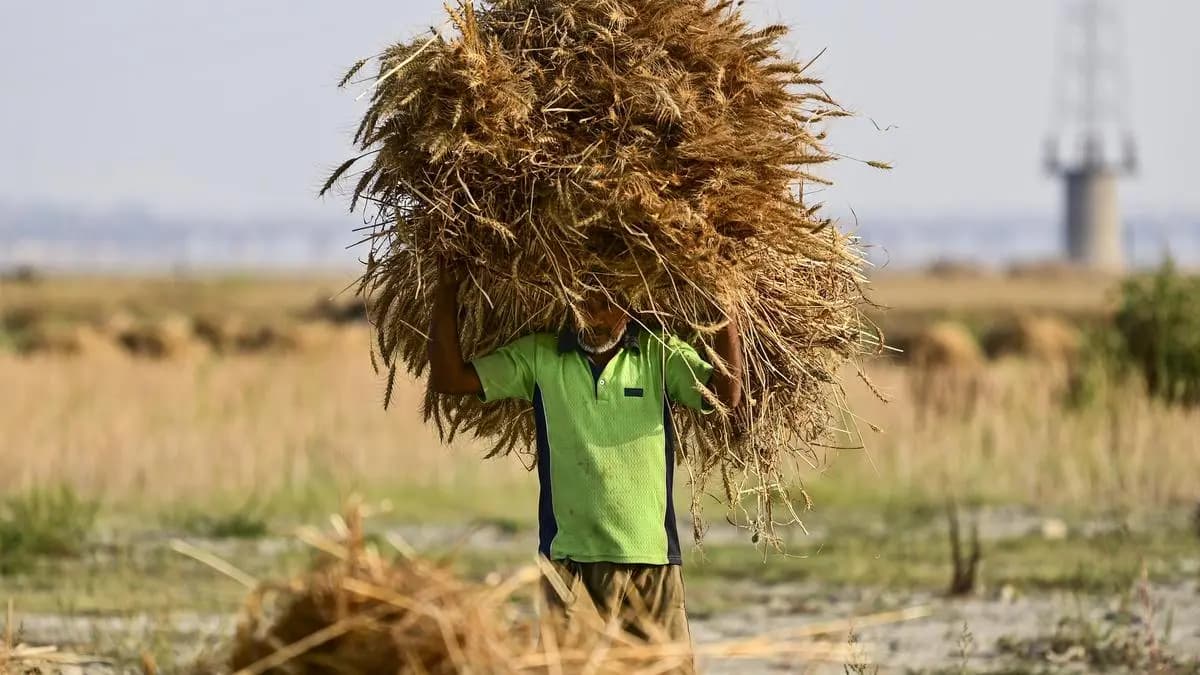
The Government Targets to Buy 303.36 Lakh Tonnes (Lt) of Wheat for the Central Pool Stock by June 30.
Why It Matters
Reduced yields and quality issues could tighten domestic wheat supplies, pressuring prices and prompting policy adjustments to safeguard food security and farmer incomes.
Key Takeaways
- •Unseasonal rain and hail hit wheat in 111 districts across nine states
- •Production may fall 5‑10% from a record 120.21 million tonnes
- •Up to 30% of harvest in affected areas suffers quality degradation
- •Government aims to procure 30.336 million tonnes for the Central Pool by June 30
- •States request relaxation of FAQ quality norms to aid farmer sales
Pulse Analysis
India’s wheat sector entered 2026 with a historic forecast of 120.21 million tonnes, positioning the country as a global staple supplier. The Central Pool, the government’s strategic grain buffer, is slated to absorb 30.336 million tonnes by the end of June, a move designed to stabilize market volatility and ensure food‑security reserves. This procurement target reflects the state’s commitment to balance farmer procurement prices with consumer affordability, especially as domestic demand remains robust amid rising incomes.
However, unseasonal rain and hailstorms in March and April have disrupted the harvest in 111 districts across nine states, trimming output by an estimated 5‑10% and degrading grain quality in up to 30% of the affected area. Damage assessments reveal losses ranging from 3% to 25% per district, with Punjab, Haryana, Uttar Pradesh and Bihar bearing the brunt. In response, the Food Secretary announced a rapid review of the Fair Average Quality (FAQ) standards, granting temporary leniency to prevent farmer distress and maintain the flow of grain into the Central Pool.
The combined effect of lower yields and quality concerns is likely to tighten domestic wheat supplies, nudging farm‑gate prices upward and prompting flour‑millers to adjust procurement strategies. Analysts anticipate a modest price premium for higher‑quality wheat, while the government’s buffer purchases should dampen extreme spikes. Over the longer term, the episode underscores the need for climate‑resilient farming practices and more flexible procurement frameworks to safeguard India’s food‑security objectives.
The government targets to buy 303.36 lakh tonnes (lt) of wheat for the Central Pool stock by June 30.
Comments
Want to join the conversation?
Loading comments...