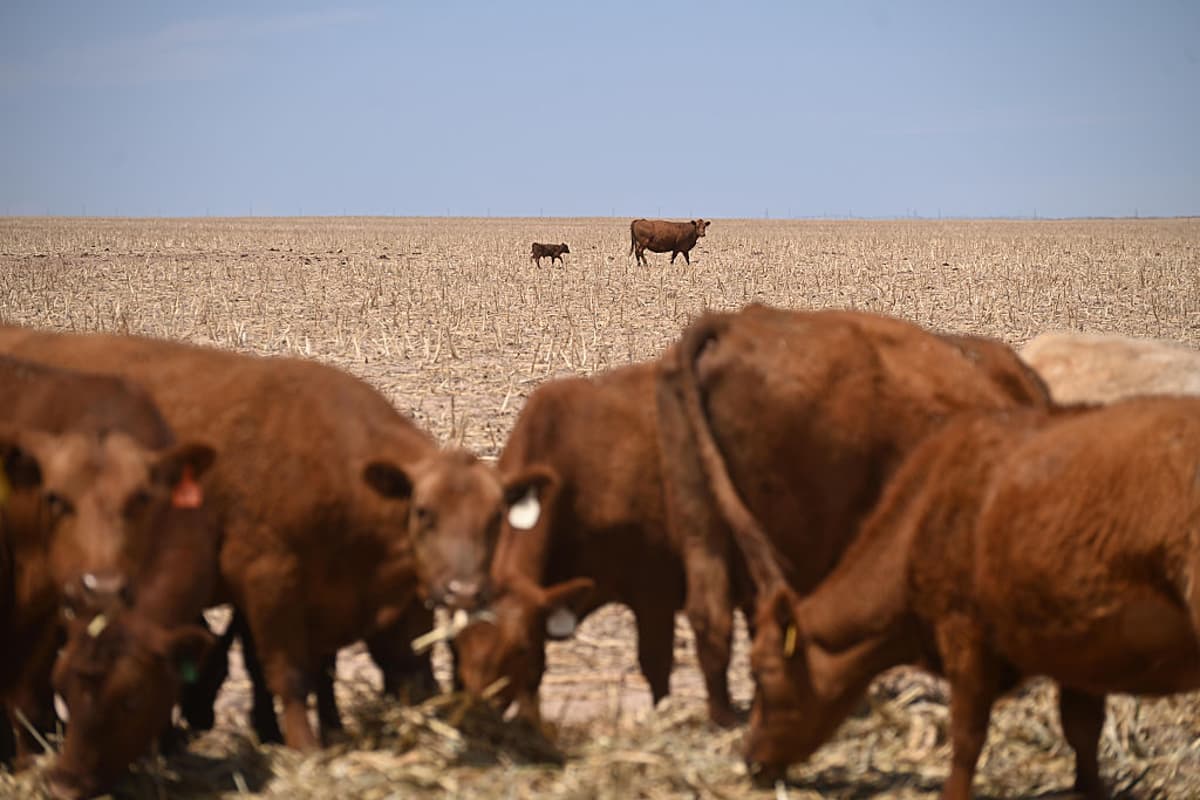
The Worst Spring Drought on Record Is Putting U.S. Crops at Risk
Why It Matters
The drought jeopardizes U.S. food supply chains and pushes commodity prices higher, while the surge in wildfires adds emergency response costs and further strains agricultural productivity.
Key Takeaways
- •60% of contiguous U.S. faced moderate drought or worse in May
- •Southeast drought peaked at 99.8% coverage, highest since 2000
- •USDA projects wheat acreage lowest since 1919 amid water stress
- •Wildfires burned 120,000 acres in Florida wetlands this year
- •Fertilizer and diesel cost spikes compound farmers' financial strain
Pulse Analysis
The spring drought that swept the United States this year shattered historical benchmarks, with NOAA reporting the driest January‑March period on record for the contiguous nation. Precipitation fell to less than 70% of normal, and the U.S. Drought Monitor flagged an unprecedented expanse of moderate to exceptional dryness, especially across the Southeast. Climate scientists link the intensity of this event to a combination of lingering heat waves and a shifting jet stream, underscoring how climate change is amplifying the frequency and severity of water scarcity across major agricultural belts.
Agricultural producers are feeling the pinch on multiple fronts. Wheat growers on the Great Plains face a critical window as winter wheat matures, yet USDA forecasts show acreage at its lowest since 1919, a direct consequence of insufficient soil moisture. Simultaneously, global supply chain disruptions from the Iran conflict have driven fertilizer prices upward, while diesel fuel now exceeds $5 per gallon on roads, inflating operational costs for farms nationwide. These pressures translate into tighter margins for growers and set the stage for higher grain and produce prices, potentially eroding food affordability for consumers.
The drought’s ripple effects extend beyond crops to fire risk, with the Everglades and other wetlands igniting despite historically high moisture levels. Florida alone has seen 120,000 acres burn this year, prompting state‑wide emergency declarations and mobilizing the National Guard. Such wildfires strain firefighting budgets, threaten biodiversity, and highlight the urgent need for integrated water‑resource management and resilient land‑use policies. As climate patterns evolve, policymakers and industry leaders must prioritize adaptive strategies—ranging from drought‑tolerant crop varieties to enhanced irrigation efficiency—to safeguard both food security and ecosystem health.
The Worst Spring Drought on Record Is Putting U.S. Crops at Risk
Comments
Want to join the conversation?
Loading comments...