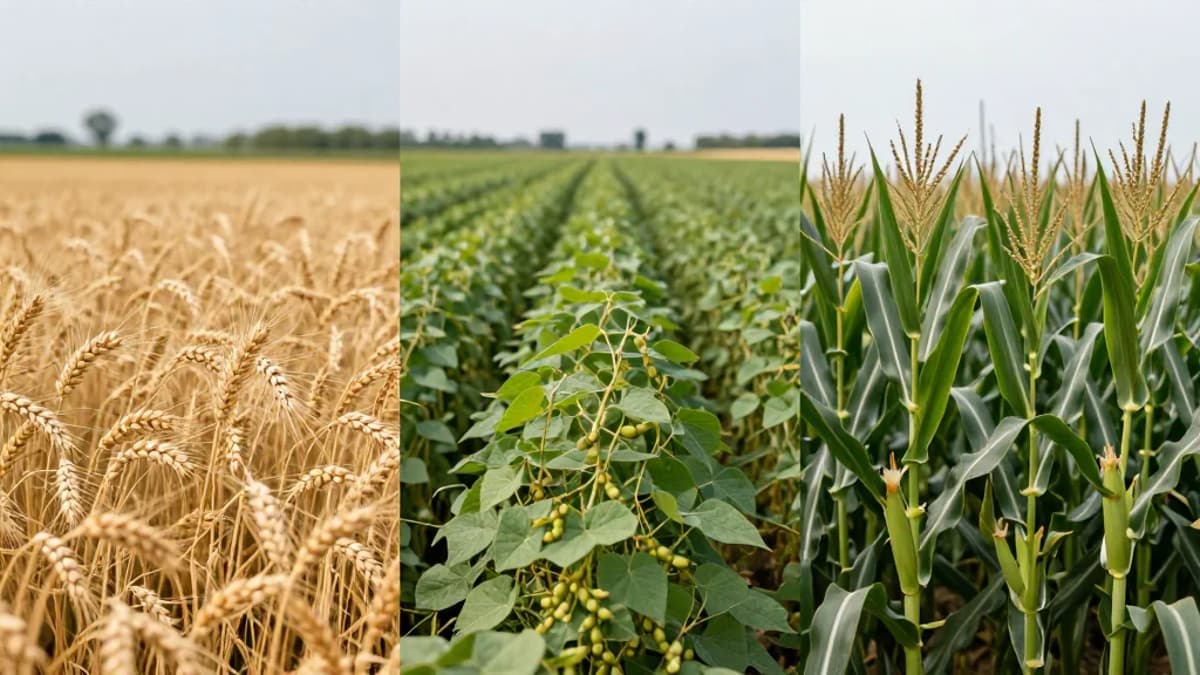
Trader PhD Survey Predicts More Soybean Acres, Strong Corn Plantings
•February 19, 2026
0
Key Takeaways
- •Corn acres dip 1.4% to 97.3 million.
- •Soybean acres rise 3.5% to 84.2 million.
- •Wheat acreage hits record low, 42.2 million.
- •Normal crop rotation drives 62% planting decisions.
- •Strong soybean prices linked to China trade truce.
Summary
Trader PhD’s February 2026 acreage survey shows U.S. corn plantings slipping 1.4% to 97.3 million acres, while soybean acres climb 3.5% to 84.2 million. Wheat acreage is projected at a record‑low 42.2 million acres, a 7.3% decline. Sixty‑two percent of growers cite normal crop rotation as the primary planting driver, with crop prices the second‑most important factor. The soybean rally, fueled by a China‑U.S. trade truce, is the key catalyst for the shift.
Pulse Analysis
The Trader PhD survey provides a granular snapshot of U.S. planting intentions ahead of the USDA’s Prospective Plantings report. With 62% of respondents following traditional rotation patterns, the modest 1.4% reduction in corn acreage reflects both lingering high inventories and a strategic shift toward higher‑margin soybeans. Wheat’s 7.3% contraction to a historic low underscores price pressure and competitive export challenges, while cotton was omitted due to insufficient data.
Soybean acreage growth is the most pronounced change, driven by a recent price surge tied to the renewed China‑U.S. trade truce. Stronger basis levels in the Eastern Ag Belt and along the Mississippi River suggest robust export demand, which could tighten global supplies and support futures. Meanwhile, corn’s heavy planting despite a slight acreage dip points to continued ethanol demand and record export volumes, cushioning the market against inventory buildup.
Looking forward, weather variability and evolving trade policies will be critical variables. The USDA’s upcoming Prospective Plantings and Grain Stocks reports will either confirm or adjust these expectations, influencing futures pricing and farm‑level risk management. Stakeholders should monitor basis trends, ethanol policy, and Chinese import data, as they will dictate whether the soybean upside sustains and how the reduced wheat footprint impacts global grain balances.
Comments
Want to join the conversation?