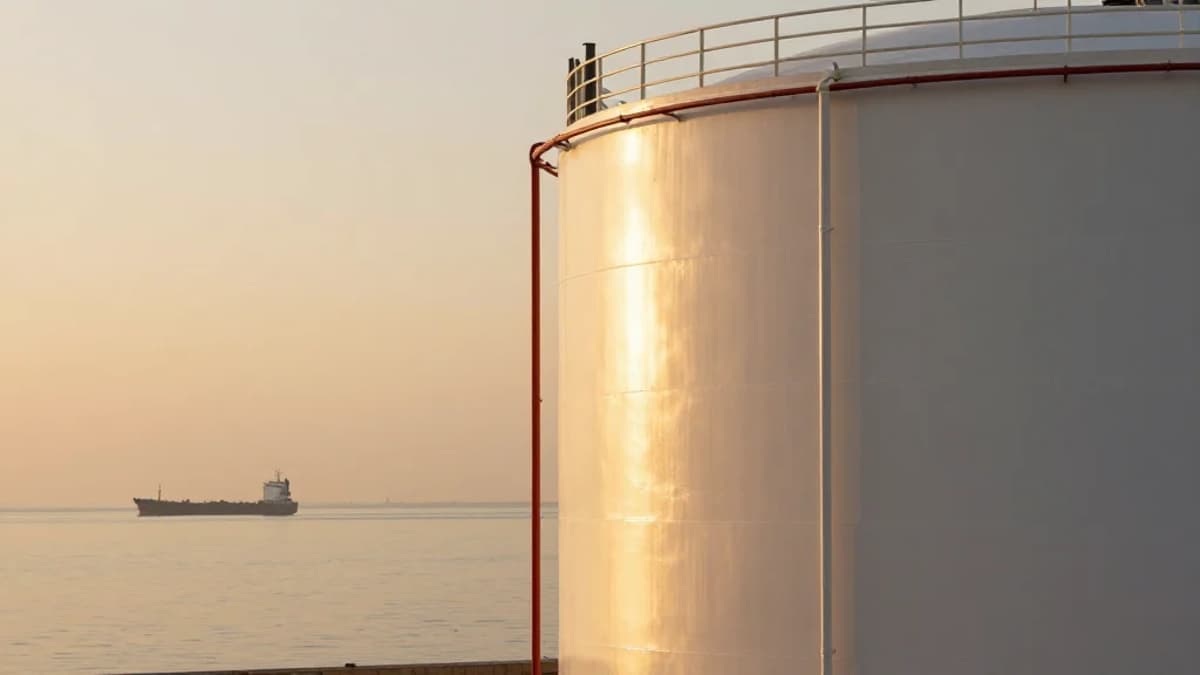
UAE Fujairah Bunker Market Braced for Impact
•March 1, 2026
0
Why It Matters
The slowdown threatens global shipping routes that rely on Fujairah’s bunker services, potentially raising freight costs and reshaping fuel supply dynamics in the region.
Key Takeaways
- •Demand for Fujairah bunker fuel expected to plunge
- •Vessel cancellations rise after Strait of Hormuz warnings
- •War‑risk insurance premiums likely to surge dramatically
- •Iranian strikes threaten HSFO supply from Iran
- •Traders uncertain about future Iran‑UAE fuel ties
Pulse Analysis
Fujairah’s strategic position as the world’s third‑largest oil storage hub makes it a linchpin for vessels transiting the Strait of Hormuz. The recent escalation of hostilities in the Gulf, highlighted by a missile strike on a bunker barge and debris near Jebel Ali, has triggered a wave of cancellations from carriers wary of navigating a contested corridor. This abrupt dip in traffic not only reduces immediate bunker sales but also reverberates through global supply chains that depend on timely refuelling at the port.
Compounding the operational challenges, war‑risk insurers are suspending or renegotiating policies for ships entering the area. Premiums are projected to soar, turning the cost of passage through Fujairah into a financial liability many operators cannot absorb. As a result, shipping firms are rerouting vessels to alternative bunkering locations, even if it means longer voyages and higher fuel consumption. The insurance vacuum underscores how geopolitical volatility can quickly translate into tangible cost pressures for the maritime industry.
Beyond immediate logistics, the conflict jeopardizes the flow of high‑sulphur fuel oil (HSFO) sourced from Iran, a long‑standing supplier to Fujairah despite U.S. sanctions. Disruption of Iranian deliveries could force bunker traders to seek costlier alternatives or adjust fuel specifications, influencing global bunker pricing structures. The uncertainty surrounding future trade terms with Iran adds a strategic layer to market forecasts, prompting stakeholders to reassess risk models and diversify supply sources to safeguard against prolonged instability.
UAE Fujairah bunker market braced for impact
0
Comments
Want to join the conversation?
Loading comments...