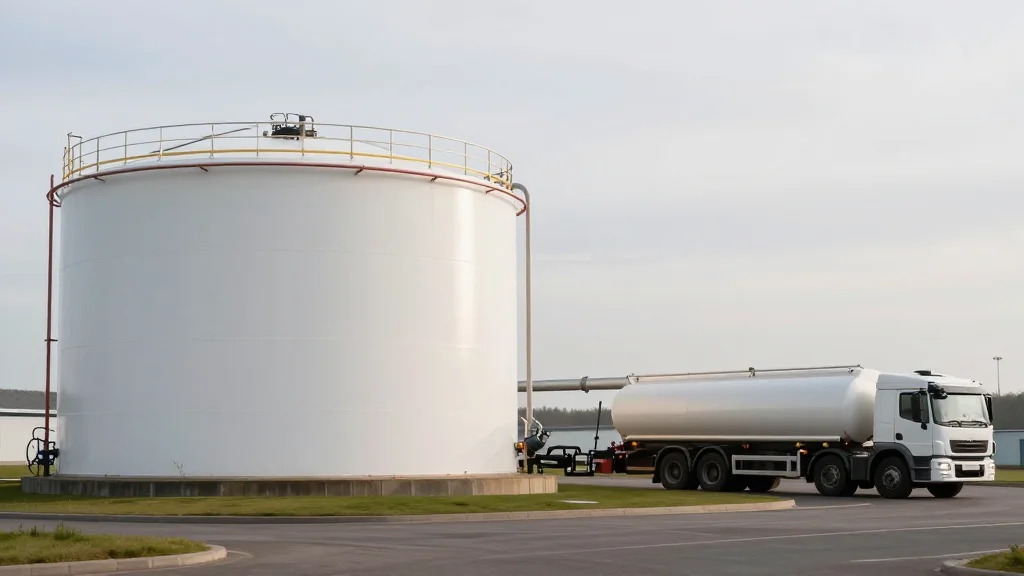
UK Jet Fuel Supply OK for Now, Outlook Uncertain
Why It Matters
The jet fuel market underpins European aviation; any supply pinch could force airlines to curtail routes, raise fares, and strain airport operations, amplifying economic ripple effects across the continent.
Key Takeaways
- •UK jet fuel currently available, but supply outlook limited to six weeks
- •Middle East disruptions raise risk of European jet fuel shortages by June
- •Phillips 66's Killingholme refinery processes 230,000 b/d, key UK supply source
- •Essar Energy Transition runs 195,000 b/d Stanlow plant, echoing supply concerns
- •IEA warns Europe must replace >50% lost Middle East jet fuel volumes
Pulse Analysis
The UK’s jet fuel market appears secure for the short term, a sentiment echoed at the recent UK liquid fuels trade association conference in Liverpool. Executives from Phillips 66, Essar Energy Transition and Petroineos confirmed that today’s purchases are flowing, thanks to existing inventories and domestic refinery capacity. However, they all stressed that the next few weeks—roughly a six‑week horizon—are the only window where confidence remains high. This limited visibility reflects the broader volatility in global energy logistics triggered by the ongoing US‑Israel war with Iran, which has choked off a significant portion of Middle Eastern jet fuel exports.
The disruption stems primarily from reduced shipments through the Strait of Hormuz, a critical artery for Middle East oil and refined products. The International Energy Agency warned that Europe must secure replacement cargoes for more than half of the lost volumes to avoid a supply crunch. If the region fails to attract sufficient alternative sources, stockpiles could dwindle to levels that trigger physical shortages at major airports as early as June. ACI Europe’s alarm that a three‑week shortage could materialise underscores the fragility of the supply chain and the speed at which market imbalances can translate into operational constraints for airlines.
For airlines and airport operators, the looming risk translates into higher fuel hedging costs, potential route reductions, and increased ticket prices for passengers. Stakeholders are likely to explore mitigation strategies such as expanding storage capacity, diversifying import terminals, and accelerating contracts with non‑Middle Eastern suppliers. Policymakers may also intervene, encouraging strategic reserves or facilitating expedited customs for alternative cargoes. Ultimately, the situation highlights the interconnectedness of geopolitical events and aviation fuel security, reminding the industry that resilience hinges on flexible sourcing and proactive risk management.
UK jet fuel supply OK for now, outlook uncertain
Comments
Want to join the conversation?
Loading comments...