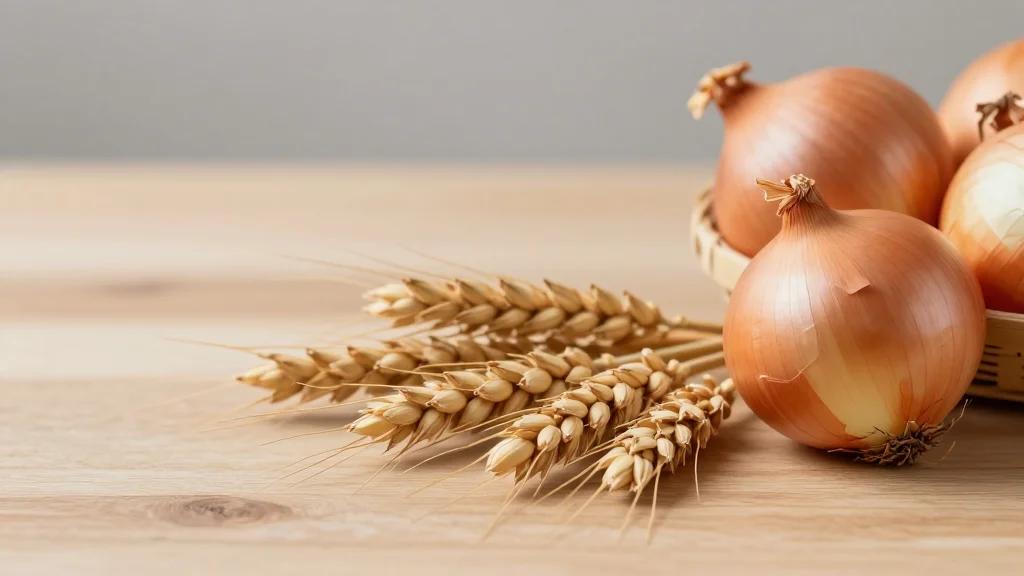
Unseasonal Rain May Dent Wheat Output, Quality
Why It Matters
Reduced wheat volumes and quality threaten India’s status as a global staple supplier and could tighten domestic flour markets, while higher onion prices may impact food inflation.
Key Takeaways
- •Unseasonal rain reduces wheat output 3‑4% in India.
- •Wheat quality deteriorates, premium for higher grades expected.
- •Onion harvest damaged, prices may rise post‑July.
- •Governments assessing field‑level losses across major states.
- •Forecast predicts additional rainfall, risk persists.
Pulse Analysis
India’s wheat cycle traditionally aligns with a predictable pre‑monsoon climate, allowing farmers to harvest a high‑quality grain that fuels both domestic consumption and export markets. The recent deviation—intense rain and hail during the critical ripening phase—has disrupted that rhythm, trimming yields and introducing moisture‑related defects such as sprouting and fungal growth. These conditions not only shrink the overall tonnage but also shift the supply curve toward lower‑grade wheat, prompting millers to seek premium batches at higher costs and potentially reshaping trade flows as exporters prioritize quality over quantity.
The quality dip reverberates through the entire value chain. Flour manufacturers, especially those serving premium bakery and confectionery segments, now face tighter margins as they scramble for the limited high‑grade grain. This scarcity drives a price premium that can widen the gap between standard and specialty wheat by 10‑15 percent, influencing downstream product pricing and profit margins. Simultaneously, the damaged onion crop—already sensitive to post‑harvest shelf life—adds another layer of inflationary pressure on staple food costs, with price spikes anticipated after July when fresh supplies dwindle.
Policy makers at both central and state levels are mobilizing rapid assessment teams to quantify field‑level losses and calibrate relief measures. Early estimates suggest that the combined impact on wheat and onions could modestly lift food price indices, prompting the Ministry of Agriculture to consider targeted procurement and price support mechanisms. Looking ahead, meteorological forecasts warn of continued rainfall, underscoring the need for adaptive sowing strategies and improved storage infrastructure to mitigate future weather‑related shocks. Stakeholders across the supply chain must therefore balance short‑term risk management with longer‑term resilience planning to safeguard India’s food security and export reputation.
Unseasonal rain may dent wheat output, quality
Comments
Want to join the conversation?
Loading comments...