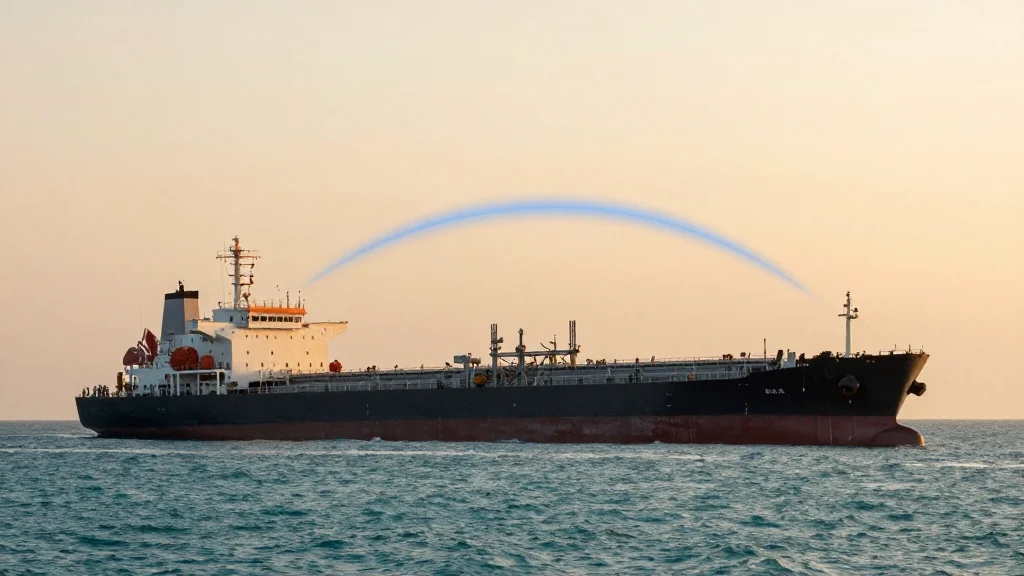
U.S. Navy Boards Iranian‑Flagged Oil Tanker Amid Hormuz Blockade, Fifth Vessel Intercepted

Why It Matters
The interception of the M/T Celestial Sea highlights the fragility of the world’s oil supply chain when a strategic chokepoint like the Strait of Hormuz is contested. With roughly 5% of daily global oil passing through the strait, any disruption can quickly translate into higher prices, tighter inventories, and heightened volatility for both producers and consumers. The U.S. blockade, while intended to force Iran back to the negotiating table, also risks escalating naval confrontations that could further choke the flow of crude and refined products. Beyond immediate price movements, the boardings signal a shift in how the United States is willing to enforce sanctions and protect maritime commerce. If the strategy proves effective, it could restore some confidence in the safety of Gulf routes, encouraging shipping companies to resume operations. Conversely, a misstep could trigger retaliatory attacks on commercial vessels, prompting insurers to raise premiums and shippers to seek alternative, longer routes, reshaping global trade patterns for months or years.
Key Takeaways
- •U.S. Navy boarded Iranian‑flagged M/T Celestial Sea in Gulf of Oman, citing blockade violation.
- •Fifth commercial vessel intercepted since mid‑April U.S. blockade of Iranian shipping.
- •Over 1,550 vessels from 87 countries remain stranded in the Persian Gulf.
- •Brent crude rose 0.8% to $84.30 per barrel; WTI up 0.9% to $80.10 per barrel after the boarding.
- •Congress debates war‑powers resolution that could curb the president’s authority to continue blockades.
Pulse Analysis
The latest boarding underscores a tactical escalation that blends economic coercion with kinetic enforcement. Historically, blockades have been a blunt instrument; here, the U.S. is using precise interdictions to target revenue‑generating assets while avoiding broader conflict. This calibrated approach reflects a recognition that outright war could destabilize oil markets far beyond the Gulf, especially as global demand rebounds from pandemic lows.
From a market perspective, the incremental price uptick suggests traders are pricing in a modest risk premium rather than a full‑scale supply shock. That indicates confidence that the blockade, while disruptive, will not cripple overall output—especially as alternative routes via the Red Sea and increased production elsewhere can absorb short‑term shortfalls. However, the political calculus is delicate: any miscalculation could trigger a tit‑for‑tat exchange, prompting Iran to target commercial shipping directly, which would force insurers and shippers to reassess risk exposure dramatically.
Looking ahead, the outcome hinges on two variables: diplomatic progress on a cease‑fire and the U.S. Congress’s willingness to sustain or curtail the blockade. If negotiations yield a credible pathway to reopening Hormuz, the blockade could be lifted, restoring normalcy to oil flows. If not, the United States may face mounting pressure from both domestic political factions and international partners to de‑escalate, potentially leading to a recalibration of its maritime enforcement posture. Either scenario will reverberate through commodity markets, influencing price trajectories, investment decisions in alternative energy, and the strategic positioning of oil‑dependent economies.
U.S. Navy Boards Iranian‑Flagged Oil Tanker Amid Hormuz Blockade, Fifth Vessel Intercepted
Comments
Want to join the conversation?
Loading comments...