USDA’s Rollins Signals Possible Action Soon on Fertilizer Prices
Why It Matters
Rising fertilizer costs threaten farm profitability and food‑price stability, while foreign reliance raises security concerns. Federal action could reshape the domestic supply chain and impact commodity markets.
Key Takeaways
- •USDA plans coordinated interagency effort to curb fertilizer prices.
- •Secretary Rollins hinted imminent announcement, possibly new funding.
- •U.S. reliance on China and Russia for fertilizer raises security concerns.
- •Offshoring of fertilizer production has increased over the past decade.
- •Potential policy could impact farm input costs and commodity markets.
Pulse Analysis
The United States is confronting a sharp rise in fertilizer prices that threatens to squeeze farm profit margins and elevate food costs. Over the past decade, domestic production has dwindled while imports from China and Russia now satisfy a majority of demand, leaving the supply chain vulnerable to geopolitical tensions and export restrictions. Recent weather‑related disruptions in key producing regions have further tightened global markets, pushing nitrogen, phosphate and potash prices to multi‑year highs. Policymakers are therefore under pressure to address both short‑term cost spikes and the longer‑term structural dependence on foreign sources.
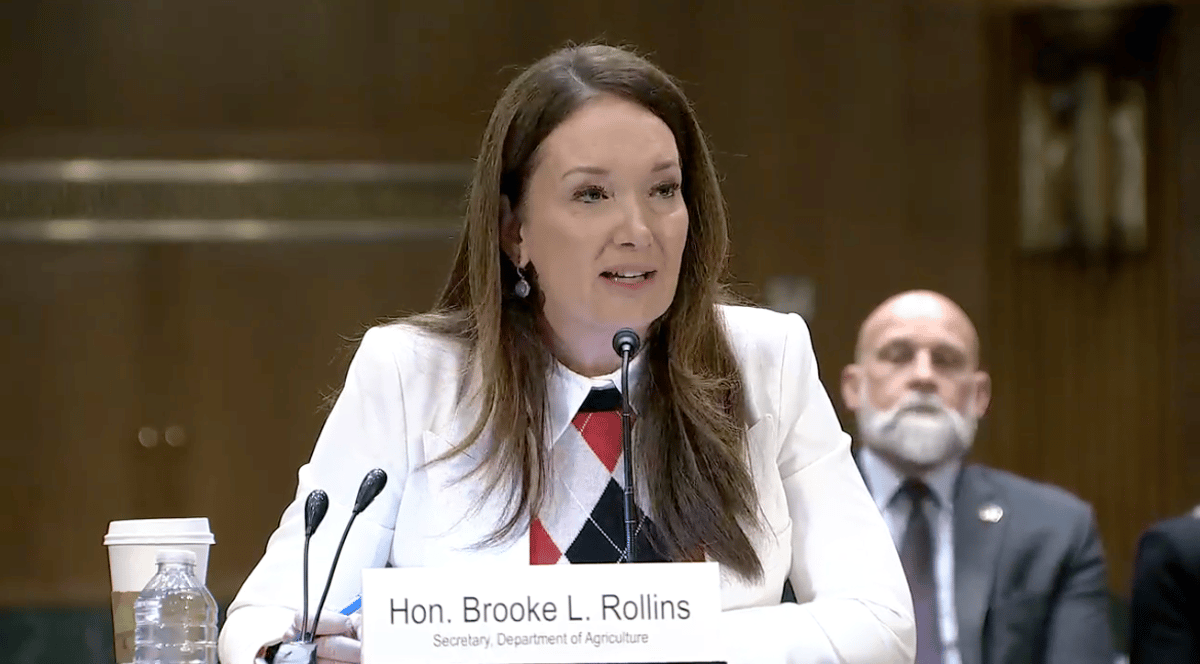
In testimony before the Senate Appropriations Subcommittee, Agriculture Secretary Brooke Rollins signaled that the administration is mobilizing an “all‑government” response, involving the White House, EPA, DHS, Commerce and Treasury. While she stopped short of detailing specific measures, she hinted at an imminent announcement that could include additional funding or regulatory relief aimed at stabilizing input costs. Such a coordinated approach mirrors past emergency interventions in energy and grain markets, and reflects growing bipartisan recognition of fertilizer as a national‑security issue. The prospect of new federal resources could accelerate domestic production incentives and streamline import licensing.
If the USDA follows through with targeted assistance, the ripple effects could be significant for U.S. agriculture and downstream food prices. Lower fertilizer costs would improve cash‑flow for corn, soy and wheat growers, potentially boosting planting intentions and yields in the 2026‑27 season. Commodity traders would likely adjust futures curves, while food processors could see reduced input expenses, easing inflationary pressure on consumers. However, the durability of any relief will depend on the scale of investment and the ability to diversify supply away from geopolitical hotspots, making the forthcoming policy announcement a focal point for the industry.
USDA’s Rollins signals possible action soon on fertilizer prices
Comments
Want to join the conversation?
Loading comments...