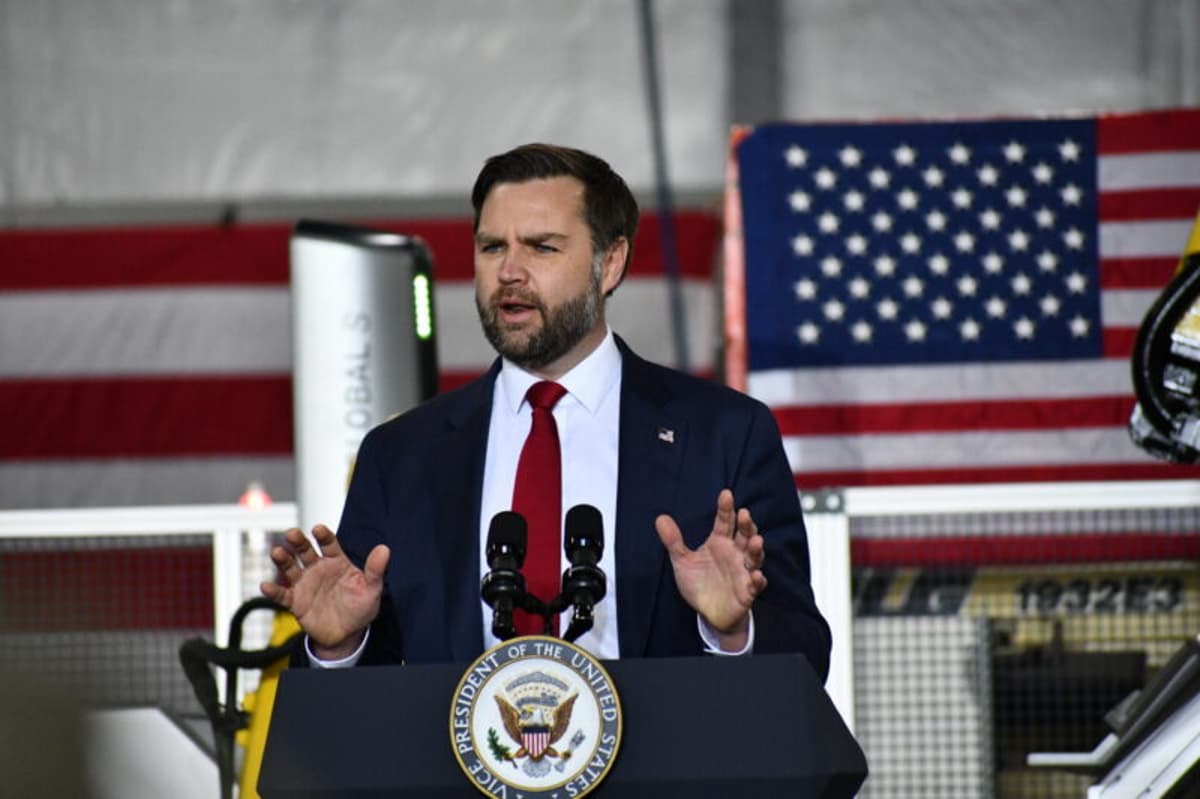
Vance Addresses Ag Concerns in Post-SOTU Speech
•February 27, 2026
0
Why It Matters
The administration’s commitment to bipartisan legislation could stabilize farm incomes and protect U.S. manufacturing competitiveness, influencing policy and market dynamics nationwide.
Key Takeaways
- •Vance pledges bipartisan action on farm price crisis
- •Farmers cite low soy, corn, fertilizer, fuel costs
- •Administration labels unfair foreign pricing as “international fraud.”
- •Visit highlights manufacturing ties at Pointe Precision
- •Rollins and Vance emphasize ongoing commodity support efforts
Pulse Analysis
The farm sector’s price squeeze has become a political flashpoint, with soybean and corn futures hovering near historic lows while input costs surge. Vance’s remarks signal that the White House is aligning with Agriculture Secretary Brooke Rollins to craft emergency measures, potentially including price support mechanisms, tax relief, or targeted subsidies. By framing the issue as bipartisan, the administration hopes to bypass partisan gridlock and deliver swift relief to a constituency that wields significant electoral influence in swing states.
Beyond agriculture, Vance’s critique of foreign competitors touches on broader trade tensions. He characterizes the practice of undercutting U.S. wages and flooding markets with cheap goods as "international fraud," a narrative that could justify tougher trade enforcement or new tariffs. This stance aligns with recent congressional proposals aimed at protecting domestic manufacturers, especially in high‑tech and aerospace sectors, where Pointe Precision’s custom castings serve as a showcase of American industrial capability.
The on‑the‑ground appearance with Representatives Derrick Van Orden and Tom Tiffany reinforces the administration’s message of unity between farm and factory. By linking agricultural stability to manufacturing resilience, the Vice President is crafting a holistic economic narrative that may shape upcoming budget negotiations and legislative priorities. Stakeholders—from grain elevators to aerospace suppliers—should monitor forthcoming policy drafts, as they could reshape cost structures, export opportunities, and the competitive landscape for U.S. producers.
Vance addresses ag concerns in post-SOTU speech
0
Comments
Want to join the conversation?
Loading comments...