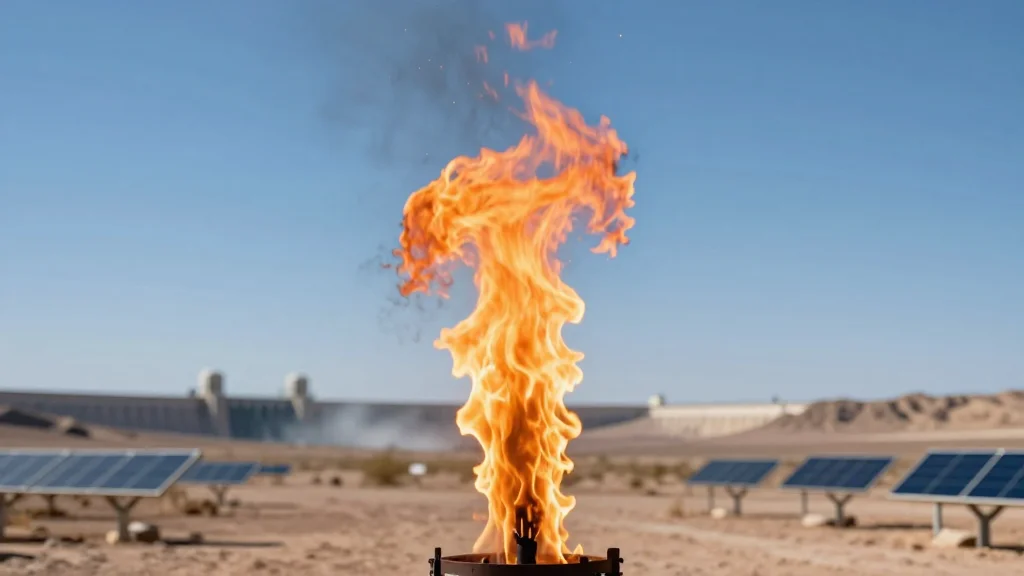
Western Heat Risk Builds as Weak Hydro Raises Late Summer Natural Gas Price Upside
Companies Mentioned
Why It Matters
Reduced hydro output forces utilities to lean on natural gas for peak‑day generation, tightening supply and driving price volatility that can affect power costs and investment decisions across the western grid.
Key Takeaways
- •Hotter western summer shrinks hydro‑generated electricity cushion.
- •Reduced hydro output pushes gas‑burn for peak‑day power.
- •California hub prices face greatest upside risk.
- •Volatile late‑summer gas market may tighten regional spreads.
Pulse Analysis
A forecast of above‑average temperatures for the western United States is reshaping the region’s energy mix. Historically, spring snowmelt and reservoir releases have bolstered hydropower, providing a low‑cost buffer for electricity demand. This year, a drier snowpack and lower reservoir levels are curtailing that cushion, leaving utilities with fewer non‑fuel options. As heat waves push residential and commercial air‑conditioning loads higher, natural‑gas‑fired generators must fill the gap, tightening the supply‑demand balance and setting the stage for price spikes in the late‑summer months.
At the same time, renewable output is faltering under the same weather patterns. Cloudy skies and lower wind speeds have reduced solar and wind generation, forcing grid operators to rely more heavily on dispatchable gas plants. The resulting increase in gas‑burn for power generation is occurring alongside a modest build‑down in storage inventories, as the Energy Information Administration’s upcoming report is expected to show lower-than‑average injections. This confluence of weaker renewables, reduced hydro, and constrained storage amplifies the risk of a tighter market, especially in regions where gas‑to‑power ratios are already high.
For traders and market participants, the evolving dynamics translate into heightened volatility and regional price differentials. California’s hub, already sensitive to supply constraints, is poised for the steepest upside as it grapples with both heat‑driven demand and a thin hydro cushion. Investors should monitor weather outlooks, reservoir levels, and EIA storage data for cues on when the market may shift from a surplus to a deficit stance. Anticipating these moves can inform hedging strategies and capital allocation in the broader natural‑gas and power sectors.
Western Heat Risk Builds as Weak Hydro Raises Late Summer Natural Gas Price Upside
Comments
Want to join the conversation?
Loading comments...