Companies Mentioned
Why It Matters
Cereal’s steep price climb highlights broader food‑price inflation and the hidden cost of shrinkflation, affecting household budgets across the United States. Understanding these drivers helps retailers and policymakers address affordability in the breakfast market.
Key Takeaways
- •Cereal price rose from $20 in 1977 to $100 in 2026
- •Shrinkflation reduces box size while price appears unchanged
- •Store‑brand cereals can be 30% cheaper than name brands
- •Raw ingredient costs and logistics drive cereal price hikes
- •Homemade granola under $5 per 12‑oz outperforms store options
Pulse Analysis
The last half‑century has seen cereal prices outpace general inflation, a trend that becomes stark when comparing buying power rather than the Consumer Price Index alone. A $20 box in 1977 translates to roughly $100 today, reflecting not just nominal price tags but also the cumulative effect of rising wheat, oat, and energy costs. This escalation mirrors broader commodity price cycles, where global supply constraints and fluctuating fuel prices ripple through the packaged‑food supply chain, squeezing margins and prompting manufacturers to pass costs onto shoppers.
Beyond raw material pressures, the cereal aisle illustrates how market dynamics reshape product offerings. Health‑conscious consumers have shifted away from high‑sugar, artificially colored options, prompting brands to reformulate or retire legacy lines. Simultaneously, competition from breakfast bars and on‑the‑go alternatives has eroded cereal’s market share, prompting manufacturers to employ shrinkflation—selling the same price for a smaller package—to protect revenue without overt price hikes. This subtle tactic often goes unnoticed, yet it effectively raises the unit cost for consumers while preserving headline pricing.
For price‑sensitive shoppers, the response is twofold: turn to private‑label cereals, which typically deliver 30% savings, and leverage coupons that can shave another 60% off the sticker price. A more hands‑on approach—making granola at home—offers even greater value, with a 12‑ounce batch costing under $5 versus $8‑plus for premium store brands. These strategies underscore a broader lesson: as food inflation persists, consumers who understand pricing mechanics and explore alternatives can protect their grocery budgets while still enjoying nutritious breakfasts.
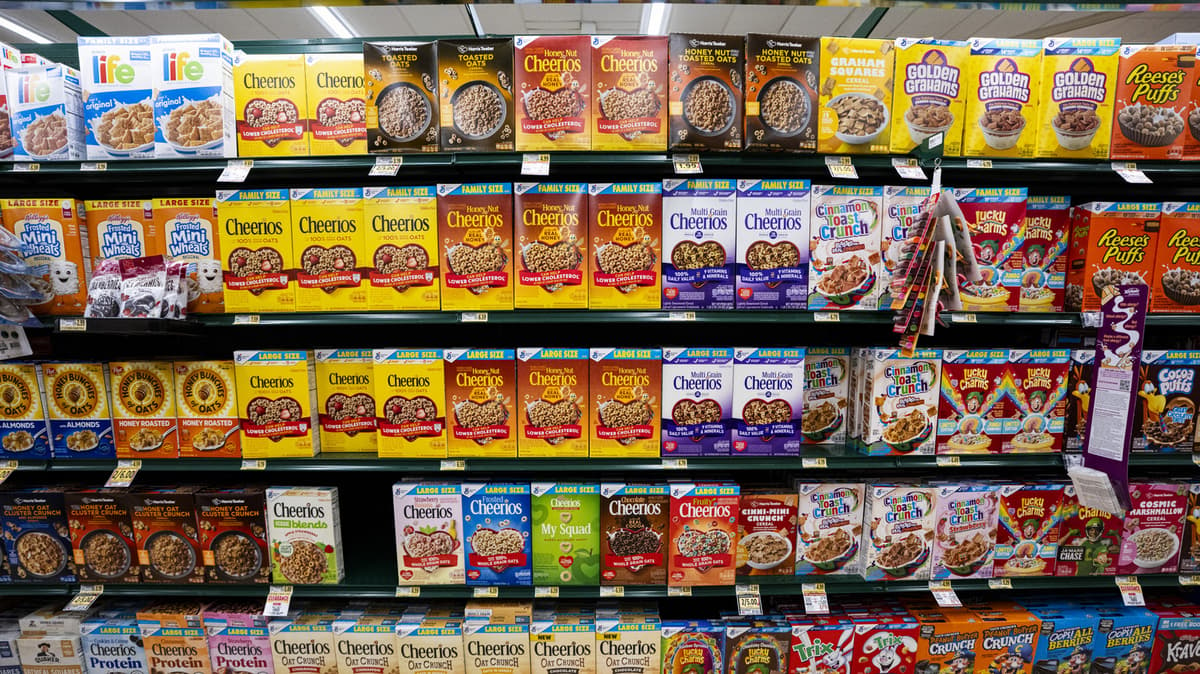
Why Cereal Prices Have Skyrocketed Over The Years
Comments
Want to join the conversation?
Loading comments...