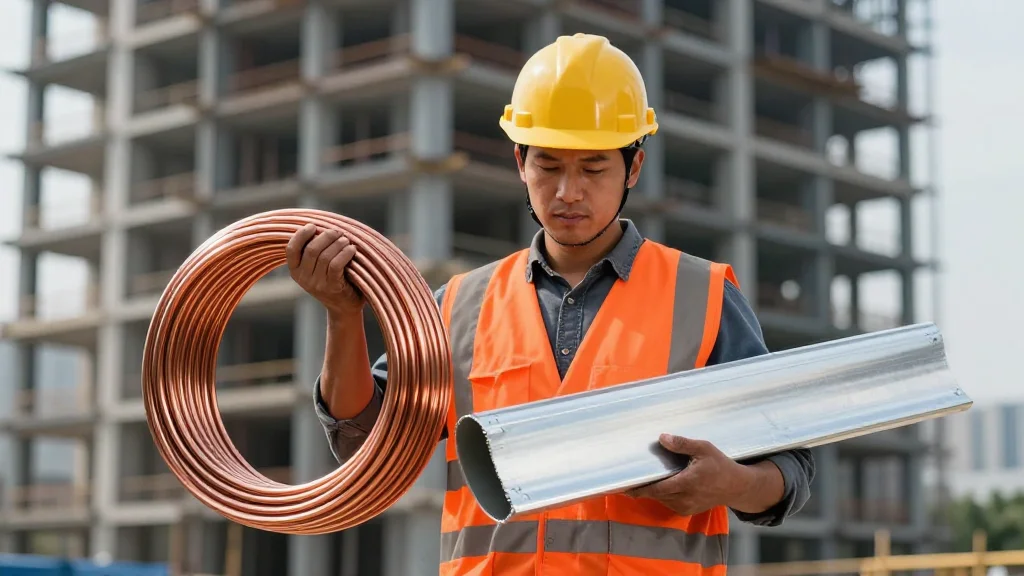
Annual Construction Cost Hikes Reach Pandemic-Era Rates as Iran War Winds Down
Companies Mentioned

Why It Matters
Rising material costs erode contractor profitability and could delay non‑residential projects, reshaping construction spending patterns. The slowdown in oil prices offers limited relief, but persistent metal price pressures keep the sector vulnerable.
Key Takeaways
- •May input prices up 9.6% year‑over‑year, highest since pandemic
- •Metal prices surged: aluminum +45.3%, copper +29.5% YoY
- •Contractors' bid prices rose only 3.5%, lagging material costs
- •Data center construction outpaces traditional commercial and residential projects
- •Oil price drop to $90/barrel may ease diesel costs
Pulse Analysis
The latest data from the Associated Builders and Contractors and the Associated General Contractors of America reveal that construction input costs have accelerated to levels not seen since the COVID‑19 pandemic. A 9.6% annual increase in May, driven largely by metal commodities, signals a supply‑side shock that stems from the temporary closure of the Strait of Hormuz and lingering tariff impacts. While overall demand for new building projects remains soft, the surge in material prices is outpacing the modest 3.5% rise in contractors’ bid estimates, compressing profit margins across the sector.
Metal markets are the primary catalyst behind the cost explosion. Aluminum prices jumped 45.3% and copper rose 29.5% year‑over‑year, reflecting heightened demand for electrification, AI‑related infrastructure, and supply‑chain bottlenecks. These spikes have been compounded by higher oil prices, which feed into diesel and other fuel‑intensive inputs. As a result, contractors are facing a "double‑whammy" of rising material expenses and limited ability to pass those costs onto owners, especially in traditional commercial and residential segments where price sensitivity remains high.
Looking ahead, analysts such as Morgan Stanley’s chief global economist anticipate that the tentative U.S.–Iran agreement will help oil prices settle around $90 per barrel by year‑end, potentially easing diesel costs that have already fallen more than 50 cents per gallon. However, metal price volatility and tariff‑related pressures are expected to linger, meaning contractors must adopt strategic sourcing, consider alternative materials, and focus on higher‑margin projects like data centers that continue to outpace conventional construction. The industry’s ability to navigate these dynamics will shape investment decisions and profitability in the post‑conflict environment.
Annual Construction Cost Hikes Reach Pandemic-Era Rates as Iran War Winds Down
Comments
Want to join the conversation?
Loading comments...