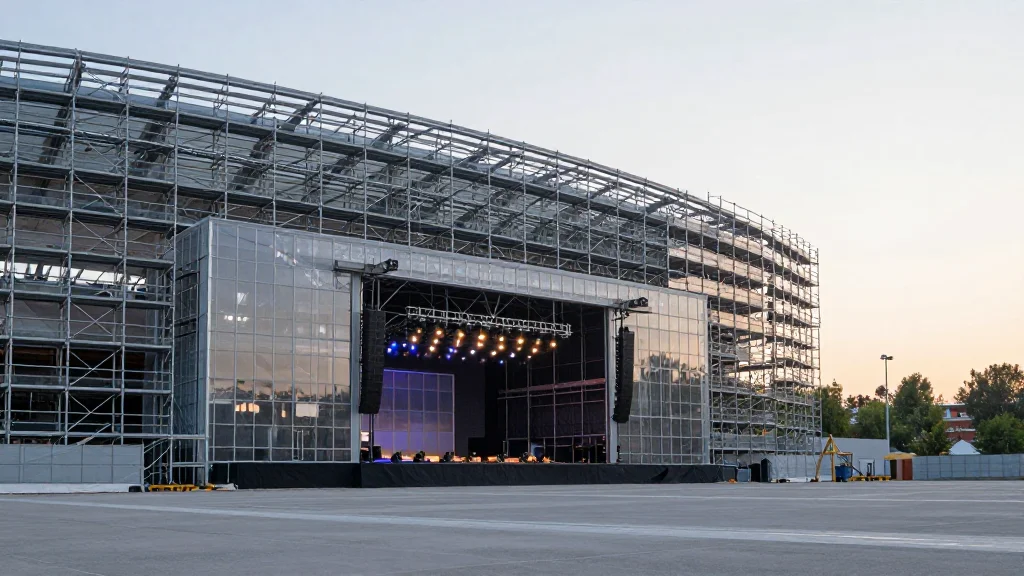
Bulgarian Stadium Poised for €120m Redevelopment
Companies Mentioned
Why It Matters
The upgrade expands Bulgaria’s ability to host major international concerts, unlocking new revenue streams for the club and the local economy. It also intensifies competition among Sofia’s premier venues, reshaping the country’s live‑event landscape.
Key Takeaways
- •€120 million (~$130 million) funds full stadium overhaul.
- •Concert capacity rises from 17,600 to 40,000 seats.
- •New façade features perforated metal panels with integrated lighting.
- •Fully covered bowl protects fans from weather elements.
- •Construction slated for spring 2027, led by IPA architects.
Pulse Analysis
Levski Sofia, one of Bulgaria’s most storied football clubs, has unveiled a €120 million (about $130 million) redevelopment plan for Georgi Asparuhov Stadium. The project, scheduled to break ground in spring 2027, will be overseen by local architectural firm IPA. Its design calls for a perforated metal panel façade with integrated lighting, a fully covered seating bowl, and upgraded lighting, sound and video systems that meet modern football standards. 2 million) government grant aimed at modernising the venue’s sporting infrastructure.
Beyond football, the overhaul transforms the arena into a multipurpose entertainment hub. Concert capacity will more than double, climbing from 17,600 to a maximum of 40,000, positioning the stadium to compete with Sofia’s 43,000‑seat Vasil Levski Stadium for large‑scale shows. State‑of‑the‑art acoustics, noise‑reduction measures, and a revamped lighting rig are intended to meet the demands of international touring acts, from rock legends to pop spectacles. Promoter Stefan Elenkov of FEST Team already eyes Iron Maiden’s upcoming performance as a test case for the new facilities.
The redevelopment signals a broader shift in Bulgaria’s live‑music ecosystem, where venues are increasingly expected to deliver both sporting excellence and concert‑grade production values. By expanding capacity and modernising technical infrastructure, Levski’s stadium could attract higher‑ticket‑price events, boost ancillary revenue streams, and reduce reliance on the aging Vasil Levski venue. However, Elenkov warns that tighter government oversight may introduce new red‑tape hurdles for promoters. If managed effectively, the project could deliver a strong return on investment and elevate Sofia’s standing on the European tour circuit.
Bulgarian stadium poised for €120m redevelopment
Comments
Want to join the conversation?
Loading comments...