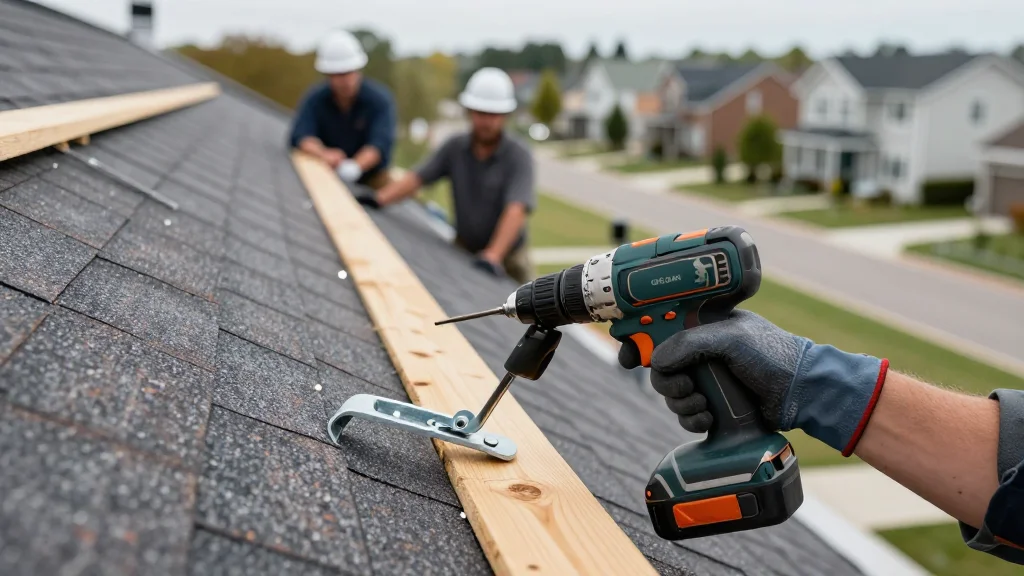
Meeting the Demand for Resilient Construction
Why It Matters
By standardizing higher‑performance roofing and scaling contractor expertise, the initiative cuts insurance losses and creates a growing market for resilient building solutions, benefiting homeowners, insurers, and municipal budgets alike.
Key Takeaways
- •IBHS and GAF alliance expands Fortified Roof program nationwide
- •1,100 contractors trained; 600+ GAF Master Elite firms certified
- •One‑third of new Fortified homes used GAF shingles last year
- •States offer discounts and grants tied to Fortified upgrades
- •Fortified roofs cut loss frequency up to 74% in studies
Pulse Analysis
Across the United States, policymakers are aligning building codes, grant programs, and insurance incentives around a single goal: tougher, storm‑ready housing. The latest move comes from a partnership between the Insurance Institute for Business & Home Safety and GAF, the continent’s largest roofing manufacturer. By pooling research‑backed standards with a national distribution network, the alliance makes the Fortified Roof™ program accessible to contractors in every climate zone, turning abstract resilience policies into concrete construction projects.
The Fortified standard goes beyond code by reinforcing roof decks, strengthening attachment points, and demanding precise installation. Independent studies show homes built to this benchmark suffer up to a 74% reduction in loss frequency compared with conventional builds. GAF’s Center for the Advancement of Roofing Excellence (CARE) delivers hands‑on training that has already certified more than 1,100 roofers, including contractors from over 600 GAF Master Elite firms. This growing pool of qualified installers ensures that policy incentives—such as insurance discounts and state‑funded grants in Alabama, Texas, Florida, and other high‑risk states—translate into actual, high‑quality upgrades.
For municipalities, the ripple effect is clear: each fortified roof reduces the likelihood of water intrusion, structural damage, and costly claims, shortening recovery times after hurricanes or severe storms. Scaling this model leverages existing neighborhood fabric, allowing incremental upgrades rather than massive infrastructure overhauls. As insurers tighten underwriting criteria and cities chase climate‑resilience targets, aligning financial incentives with a robust training pipeline may become the most pragmatic lever for protecting homes and stabilizing insurance markets in an era of increasing extreme weather.
Meeting the demand for resilient construction
Comments
Want to join the conversation?
Loading comments...