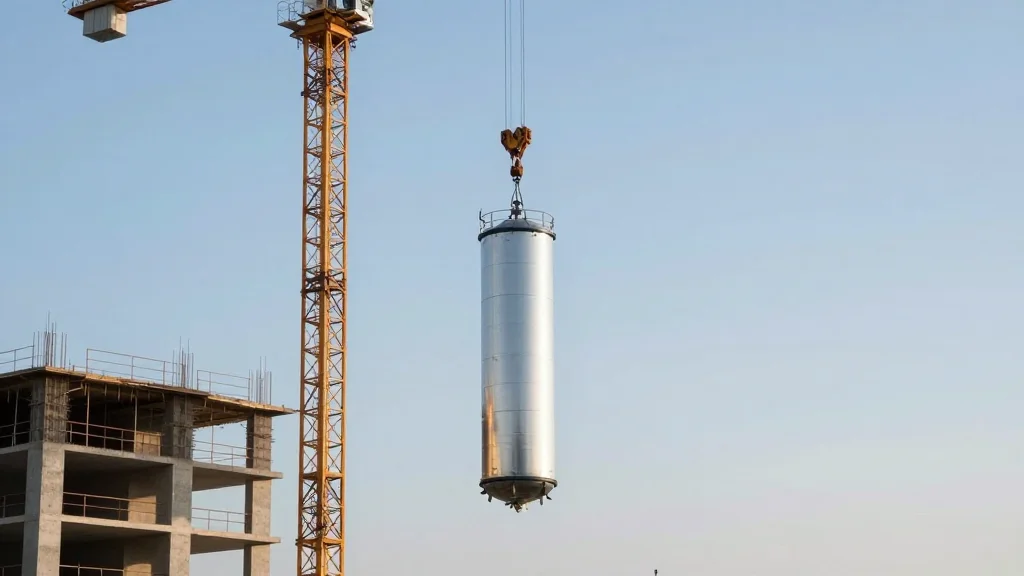
We Can’t Ignore Hydrogen’s Potential in Construction
Companies Mentioned
Why It Matters
Hydrogen offers the only realistic pathway to decarbonise high‑duty construction equipment, unlocking significant carbon and pollutant reductions that electrification alone cannot achieve. Coordinated rollout will influence the UK’s broader net‑zero strategy and hydrogen market development.
Key Takeaways
- •UK construction uses >1 billion litres diesel annually.
- •Hydrogen dual‑fuel can cut diesel emissions without replacing equipment.
- •Green hydrogen production standards are essential for real carbon reductions.
- •Site‑power limits make full electrification impractical for heavy plant.
- •Aligning hydrogen supply with construction demand is a UK strategic priority.
Pulse Analysis
The construction industry’s reliance on diesel‑powered earth‑moving equipment creates a carbon hotspot that traditional electrification struggles to address. Batteries add substantial weight, reduce payload capacity, and require charging infrastructure that remote sites often lack. Consequently, heavy machinery continues to emit not only CO₂ but also nitrogen oxides and particulates, undermining air‑quality goals in urban projects. Recognising these constraints, industry leaders are turning to hydrogen as a bridge technology that can be integrated into existing powertrains, preserving operational flexibility while delivering immediate emissions cuts.
Hydrogen’s appeal lies in its ability to function as a drop‑in fuel through dual‑fuel systems, allowing excavators and dump trucks to run on a diesel‑hydrogen mix without a complete engine overhaul. Early field trials on the Lower Thames Crossing have shown comparable performance to conventional diesel units, validating the concept under real‑world conditions. The longer‑term vision involves purpose‑built hydrogen engines and fuel‑cell systems that could eliminate diesel entirely, provided the hydrogen is produced via low‑carbon pathways such as electrolysis powered by renewable electricity. Robust certification schemes are essential to guarantee that the fuel’s lifecycle emissions are genuinely low, preventing a mere substitution of one fossil‑derived energy source for another.
Scaling this solution demands coordinated action across the energy supply chain, equipment manufacturers, and construction firms. The UK’s emerging hydrogen hubs are largely situated outside the South East, where construction demand is projected to concentrate, creating a geographic mismatch that could stall adoption. Government policy, including the Red Diesel Replacement programme, must prioritize infrastructure investment and incentivise green hydrogen production to align supply with the sector’s needs. As other hard‑to‑decarbonise industries—chemical, aviation, and shipping—also eye hydrogen, the construction sector’s early commitment could catalyse broader market development, cementing hydrogen’s role in the nation’s net‑zero roadmap.
We can’t ignore hydrogen’s potential in construction
Comments
Want to join the conversation?
Loading comments...