3 Smart Home Upgrades You Can Make with a $24 Arduino Board
Companies Mentioned
Why It Matters
At under $30 per board, these builds lower the entry barrier for home automation, enabling consumers to replace pricey commercial devices with customizable, network‑connected solutions.
Key Takeaways
- •Arduino Nano 33 IoT priced around $24, Wi‑Fi enabled
- •DIY irrigation uses solid‑state relay and UDP control
- •Smart coaster integrates 32 LEDs with 3D‑printed housing
- •Safety monitor alerts via SMS, email, or Telegram
Pulse Analysis
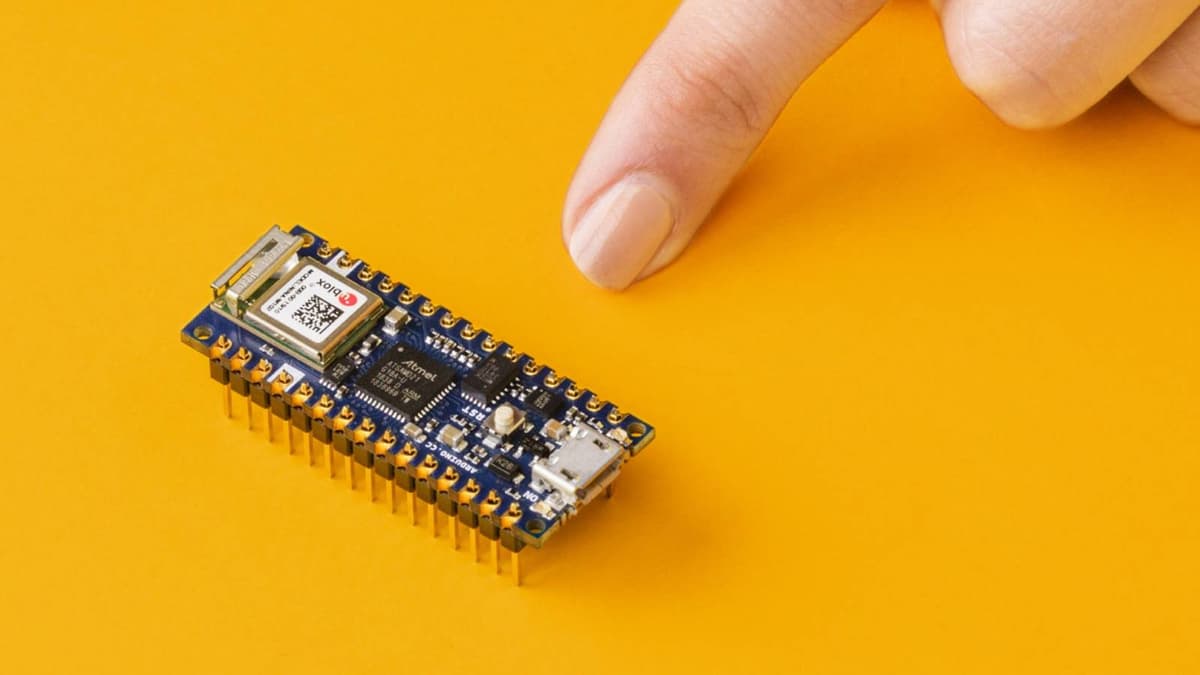
The Arduino Nano 33 IoT has become a cornerstone for hobbyist‑driven smart‑home projects because it bundles Wi‑Fi, Bluetooth, and a powerful ARM Cortex‑M0+ processor in a board that retails for roughly $24. Its low price point and extensive library support lower the financial and technical thresholds that traditionally kept home‑automation in the realm of premium vendors. As more makers adopt open‑source hardware, the ecosystem of tutorials, libraries, and community‑tested designs expands, creating a virtuous cycle that fuels further innovation.
In practice, the three projects highlighted—automated irrigation, LED‑lit coaster, and safety monitoring—demonstrate the board’s versatility. The irrigation system pairs a solid‑state relay with UDP packets, allowing remote watering schedules via a simple Android app. The coaster showcases PCB‑level LED control and a 3D‑printed enclosure, turning a mundane accessory into a programmable ambient light source. Meanwhile, the safety monitor aggregates gas, temperature, humidity, pressure, and light sensors, routing alerts through SMS, email, or Telegram, thereby providing a cost‑effective alternative to commercial alarm systems. Each build uses readily available components, meaning the total material cost stays well below $100.
Beyond individual gadgets, these DIY solutions signal a broader shift in the smart‑home market toward consumer empowerment. As homeowners gain the ability to customize functionality, integrate disparate devices, and avoid subscription fees, manufacturers may need to rethink product strategies, focusing on interoperability and developer‑friendly APIs. However, widespread adoption also raises concerns about security standards and firmware maintenance, areas where the open‑source community must continue to prioritize robust, regularly updated code. Overall, the Arduino Nano 33 IoT illustrates how affordable microcontrollers can democratize home automation, fostering a more innovative and resilient ecosystem.
3 smart home upgrades you can make with a $24 Arduino board
Comments
Want to join the conversation?
Loading comments...