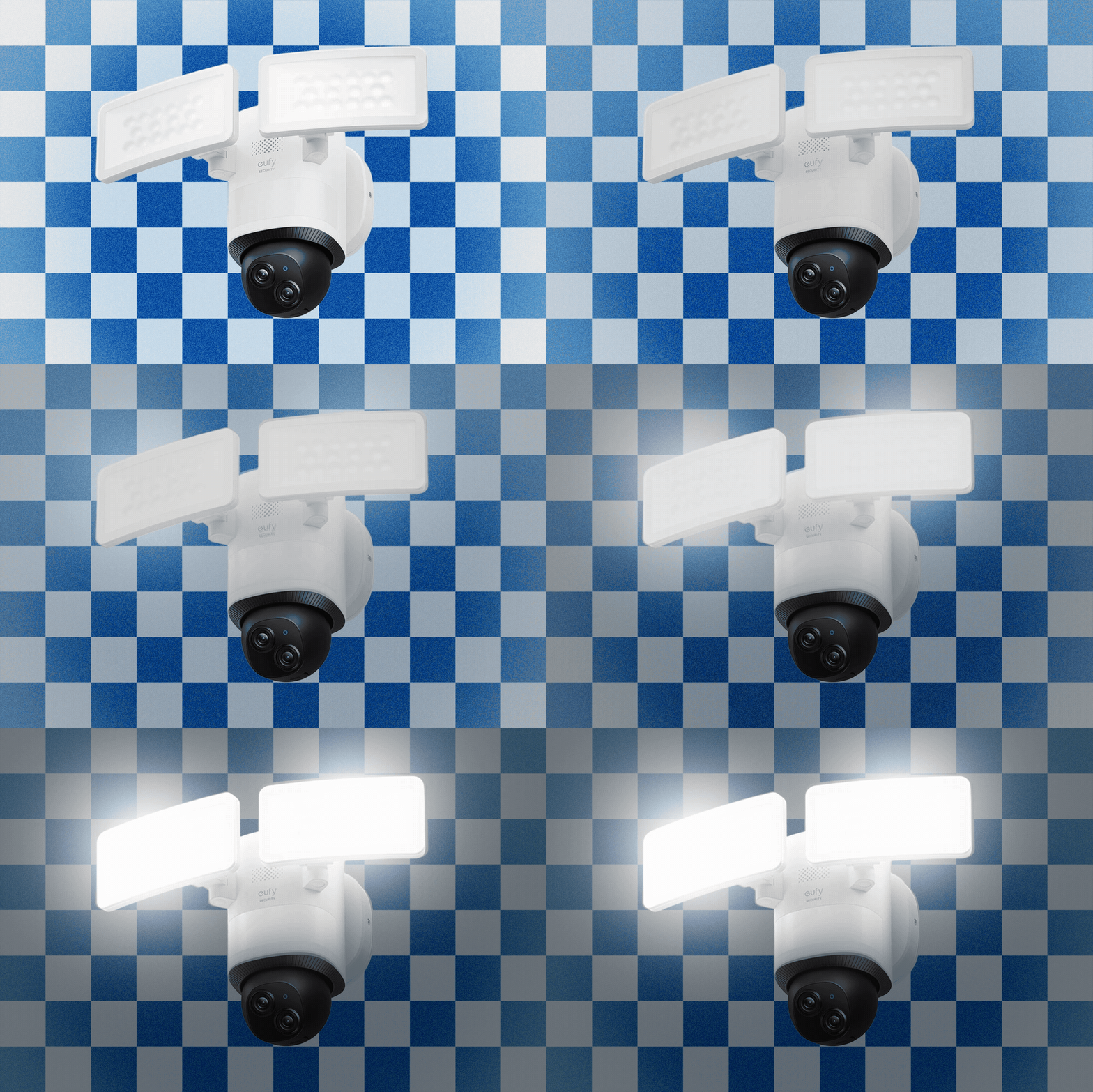
4 Best Floodlight Security Cameras (2026) After Thorough Testing
Companies Mentioned
Why It Matters
Floodlight cameras merge illumination with AI‑driven surveillance, addressing growing consumer demand for integrated outdoor security and smart‑home automation. Understanding performance, subscription costs, and installation requirements helps buyers optimize total cost of ownership and protect property effectively.
Key Takeaways
- •Arlo Wired Floodlight: 2,000 lumens, 2K video, $10/mo cloud plan
- •TP‑Link Tapo C615F: battery‑powered, 800 lumens, local SD storage, no subscription
- •Reolink Elite: 4K video, 3,000 lumens, wired, premium Wi‑Fi 6
- •Google Nest Floodlight: 2,400 lumens, 1080p, $10/mo subscription required
- •Hard‑wired models outperform battery units in brightness and continuous recording
Pulse Analysis
Demand for outdoor security has surged as homeowners and businesses seek devices that both illuminate dark zones and capture high‑definition video. Floodlight cameras answer this need by pairing powerful LEDs with AI‑enabled detection, enabling real‑time alerts for people, vehicles, and packages. Integration with Alexa, Google Assistant, and Apple HomeKit further embeds these cameras into broader smart‑home ecosystems, while the choice between cloud subscriptions and local storage drives ongoing debates over privacy and ongoing costs.
Among the tested models, Arlo’s wired floodlight stands out for users already invested in the Arlo ecosystem, offering 2,000 lumens, 2K video, and granular detection filters—but its value hinges on a $10‑per‑month cloud plan. TP‑Link’s Tapo C615F provides a budget‑friendly, battery‑powered alternative with an 800‑lumens LED and optional microSD storage, eliminating recurring fees at the expense of lower brightness and occasional lag. Premium wired options like Reolink Elite deliver 4K resolution and 3,000 lumens, catering to high‑traffic driveways, while Google Nest and Philips Hue add seamless integration with their respective smart‑home platforms, though both require paid subscriptions for full functionality.
Looking ahead, manufacturers are pushing edge‑AI processing, solar‑powered batteries, and adaptive lighting to reduce reliance on cloud services and improve energy efficiency. For consumers, the key is matching the camera’s lumen output and storage model to the intended use‑case: hard‑wired units excel in continuously monitored, well‑lit areas, whereas battery‑solar models suit remote or temporary installations. By weighing upfront hardware costs against long‑term subscription fees, buyers can select a floodlight camera that delivers both security and illumination without inflating total ownership expenses.
4 Best Floodlight Security Cameras (2026) After Thorough Testing
Comments
Want to join the conversation?
Loading comments...