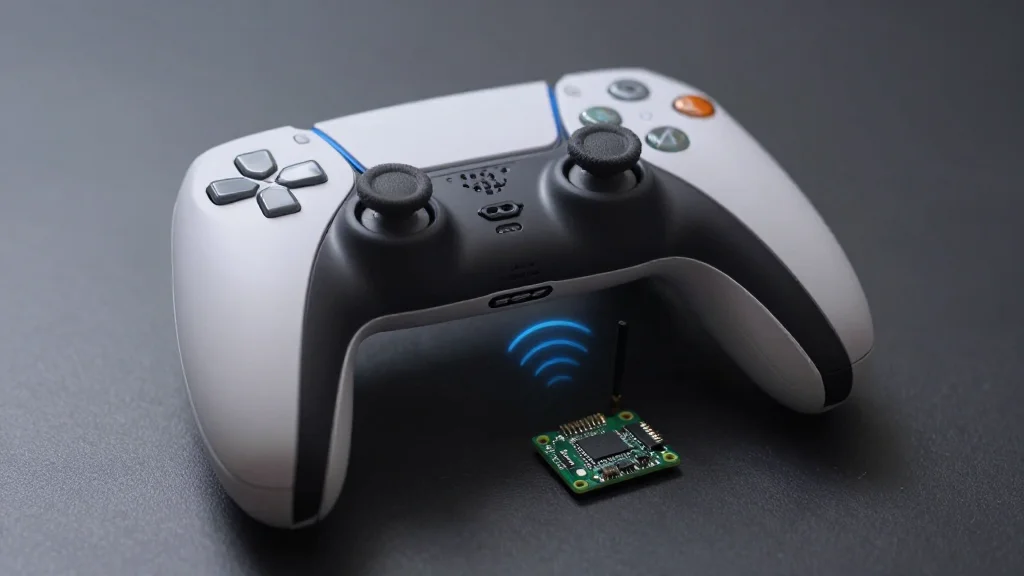
A $7 Raspberry Pi Can Do Something Sony Refuses To: Give the DualSense Wireless Haptics on PC
Companies Mentioned
Why It Matters
It gives PC gamers affordable access to the DualSense’s advanced tactile features, closing a functionality gap left by Sony and potentially spurring broader support for adaptive controls in PC titles.
Key Takeaways
- •Raspberry Pi Pico 2 W acts as wireless DualSense dongle
- •Enables adaptive triggers and haptics on PC without cables
- •Firmware available free on GitHub, installation via UF2 file
- •Polling rate boosted to 1,000 Hz, matching PS5 latency
- •Cost as low as $7, undercutting any official solution
Pulse Analysis
The PlayStation 5 DualSense controller set a new standard for tactile feedback with its adaptive triggers and sophisticated haptic motors, yet PC gamers have been limited to wired connections or incomplete Bluetooth support. Sony’s ecosystem does not include a dedicated wireless dongle, forcing developers and users to either forgo the features or endure latency‑prone workarounds. This gap has left a niche of enthusiasts searching for a cost‑effective way to bring the full console experience to the desktop environment.
Enter the Raspberry Pi Pico 2 W, a tiny microcontroller board that "awalol" repurposed with open‑source firmware. By flashing a UF2 image, the Pico transforms into a Bluetooth bridge that translates the DualSense’s proprietary audio‑based haptic signals into standard gamepad inputs. Early adopters report flawless adaptive trigger response in titles like *Days Gone* and a polling rate of 1,000 Hz that eliminates the input lag typically seen with Bluetooth adapters. The setup process is straightforward: plug the Pico into a PC, copy the firmware file, and pair the controller—no soldering or complex configuration required.
The broader impact could be significant for the PC gaming market. A $7‑$16 dongle lowers the barrier for developers to support advanced controller features, encouraging more titles to implement native haptic and trigger feedback. Community‑driven solutions also demonstrate the power of open‑source hardware to fill manufacturer blind spots, potentially prompting Sony to reconsider its accessory strategy. As more gamers adopt the hack, we may see a ripple effect where adaptive controls become a standard expectation across platforms, driving innovation in both hardware and game design.
A $7 Raspberry Pi can do something Sony refuses to: give the DualSense wireless haptics on PC
Comments
Want to join the conversation?
Loading comments...